 Birch Bay Exterior
 Exterior Work Built for the Cherry Point Shoreline
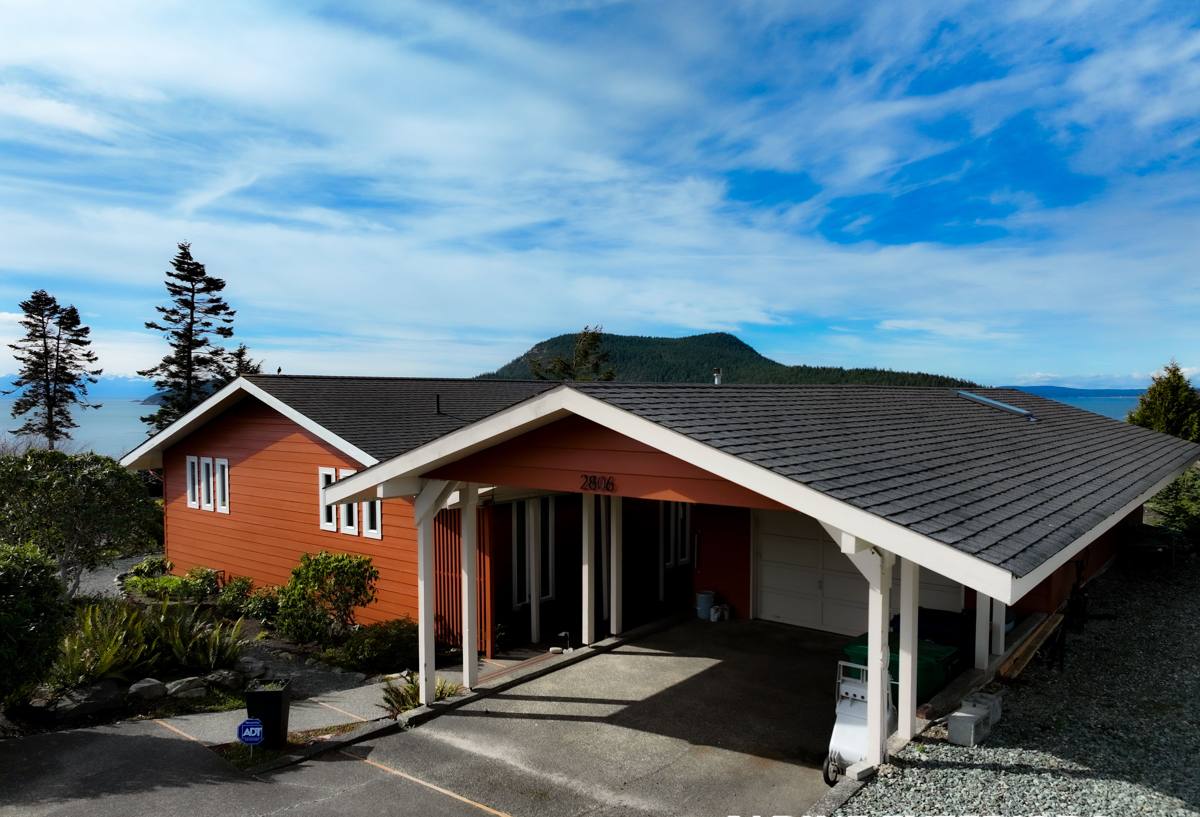
Cherry Point sits along one of the more exposed stretches of Whatcom County coastline, and homes here take a different kind of beating than houses even a few miles inland. Between the salt-laden air coming off the Strait of Georgia, the driving rain that blows in sideways during fall and winter storms, and a moss season that seems to stretch longer every year, the exterior of a Cherry Point home is under near-constant pressure. We've worked on homes throughout the Birch Bay area long enough to know that what holds up in a sheltered neighborhood a few miles away doesn't always hold up out here.
This page covers how we approach siding, roofing, windows, and decks for homes in and around Cherry Point, and why the materials and methods we use are chosen specifically for this kind of exposure — not just what's easiest to install or cheapest to source.
What the Cherry Point Climate Actually Does to a House
Salt Air and Corrosion
Airborne salt doesn't just affect metal fasteners and flashing — it accelerates the breakdown of paint films, degrades caulking faster than manufacturers' published lifespans suggest, and finds its way into any gap in a building envelope that isn't properly sealed. Over years, homes closer to the water show a visible difference in how their siding and trim age compared to homes set back from the shoreline.
Driving Rain and Wind-Driven Moisture
Storms coming off the water don't just drop rain — they push it horizontally into wall assemblies, under poorly lapped siding, and behind trim that isn't flashed correctly. This is a wind-driven rain environment, which means water management (not just water resistance) has to be part of how every exterior surface is installed, from the house wrap behind the siding to the flashing above every window and door.
Moss, Algae, and a Long Wet Season
Whatcom County's wet season runs long, and Cherry Point's marine exposure keeps humidity elevated even between rain events. That combination is ideal for moss and algae growth on roofs, north-facing siding, and anywhere shade and moisture linger. Left unaddressed, moss holds moisture against roofing and siding materials far longer than open air would, which shortens the working life of whatever's underneath it.
Siding: Why We Only Install James Hardie
For siding, we've standardized on James Hardie fiber cement exclusively. We don't install vinyl, LP SmartSide, primed spruce, cedar, or other fiber cement brands — not because those products don't have a place somewhere, but because after years of exterior work in this specific climate, we don't think they're the right call for homes facing this level of salt and moisture exposure, and we'd rather stand behind one product system we trust completely than offer several we have reservations about.
What Makes Hardie Different Here
- Fiber cement is non-combustible, which matters given Whatcom County's dry-season wildfire risk alongside its wet-season storms
- Hardie's HZ5 product line is engineered for harsh, moisture-heavy climates — relevant for anything within a mile or two of the water
- The ColorPlus factory finish is baked on and warranted separately from the substrate, which holds up better against salt-air fading than field-applied paint
- Fiber cement doesn't swell, rot, or delaminate the way wood-based or wood-adjacent products can when moisture gets behind them
- Hardie backs the product with a strong transferable limited warranty, which matters to future buyers as much as current owners
Vinyl siding can crack and warp under UV and temperature swings and tends to show its age faster in salt air. Wood and wood-composite products (cedar, primed spruce, LP SmartSide) depend heavily on maintaining an intact paint or coating layer — once that layer fails in a wet, salty environment, moisture gets into the substrate and the clock starts on rot or swelling. We're not saying those products fail on every house; we're saying that for Cherry Point's specific exposure, we don't think the maintenance burden and moisture risk are worth it, and we'd rather install one product we're fully confident in.
Installation Details That Matter More Here Than Elsewhere
Correct Hardie installation always matters, but in a wind-driven rain environment it matters more. That means proper clearance from grade and roof lines, correctly lapped and taped house wrap behind the panels, stainless or coated fasteners appropriate for coastal exposure, and flashing details at every window, door, and penetration that assume water will get behind the cladding at some point and need somewhere to go.
Roofing for a Long Moss Season
Roofs in the Cherry Point area deal with two separate problems: shedding driving rain without backing up under shingles or shakes, and resisting moss growth through a wet season that can run most of the year. We look at roof pitch, shading, and ventilation as part of any roofing job — a roof with poor attic ventilation traps moisture underneath, which accelerates decking and shingle problems from the inside out, while a shaded, moss-prone roof needs the right underlayment and edge details to keep water managed even once moss starts holding moisture against the surface.
Routine moss removal and gutter maintenance extend the life of any roof out here, but the bigger factor is getting the underlying materials and flashing right the first time, so the roof isn't dependent on maintenance alone to stay watertight.
Windows: Sealing Out Wind-Driven Water and Salt
Window failures in this area are rarely about the glass — they're almost always about the seal, the flashing, and the installation. A well-built window installed poorly will leak in a Cherry Point storm just as readily as a cheap one. We pay particular attention to sill pan flashing, proper integration with the house wrap and siding, and weep paths that let any moisture that does get in find its way back out rather than sitting against the frame.
Older single-pane or poorly sealed windows in coastal Whatcom County homes often show their age through condensation, drafts, and visible hardware corrosion well before the glass itself fails — those are usually the earliest signs it's time to talk about replacement.
Decks: Built to Handle Salt, Sun, and Standing Water
Outdoor living spaces on the water side of Birch Bay face accelerated fastener corrosion, faster finish breakdown on wood decking, and the need for real drainage planning so water doesn't pool on deck surfaces during long wet stretches. We build and repair decks with fastener and hardware choices suited to salt exposure and framing details that keep water moving off the structure instead of sitting in it.
Cost Factors for Cherry Point Homes
Every home and project is different, but these are the factors that tend to move cost estimates for exterior work in this specific area:
| Factor | Why It Matters Here |
|---|---|
| Distance from shoreline | Homes closer to the water need heavier-duty flashing, fasteners, and finish specs |
| Existing moisture damage | Hidden rot behind old siding or trim is more common in long-exposed coastal homes |
| Roof pitch and shading | Steeper, shadier roofs need different moss and drainage strategies than open, sunny ones |
| Access and site conditions | Waterfront and bluff-adjacent lots can add setup and staging time |
| Scope of tear-off | Full siding or roof replacement versus repair changes labor and material needs substantially |
Why a Local Crew Matters Out Here
Exterior contractors who mainly work inland don't always account for how much harder a coastal, wind-exposed site works a building envelope. We've built our approach around what actually holds up in Whatcom County's marine climate — not a generic install spec pulled from a manufacturer's minimum requirements. That shows up in the flashing details, the fastener choices, and the honest conversations we have with homeowners about which products are and aren't a good fit for their specific spot on the map.
A Practical Checklist Before You Start a Project
- Walk the exterior and note any soft spots, staining, or moss buildup on siding and roofing
- Check window sills and frames for corrosion, drafts, or condensation between panes
- Look at gutter and downspout condition — clogged or undersized systems make every moisture problem worse
- Ask any contractor what specific product lines and fastener grades they use for coastal exposure
- Get a written scope that spells out flashing and water-management details, not just materials and price
If you're in Cherry Point or anywhere else around Birch Bay and want an honest look at what your siding, roofing, windows, or deck actually need, we're happy to walk the property with you and put together a straightforward, no-pressure estimate — just fill out the form below to get started.