 Birch Bay Exterior
 Exterior Contracting in Custer, Washington
Custer sits inland from Birch Bay along the Whatcom County corridor, close enough to the water that salt-laden air and marine weather patterns shape how homes age here just as much as they do along the immediate shoreline. Whether your property is tucked back in the trees off the county roads or sits more open to the wind coming off Birch Bay and the Strait of Georgia, the exterior of your home is doing constant, quiet work to keep moisture, salt, and moss out. Birch Bay Exterior Co works this area regularly, and we've built our approach around what actually happens to siding, roofing, windows, and decks in this specific stretch of Whatcom County.
This page covers what Custer homeowners should know about maintaining and upgrading their homes' exteriors, and why we standardized on one siding product rather than offering the usual mixed bag.
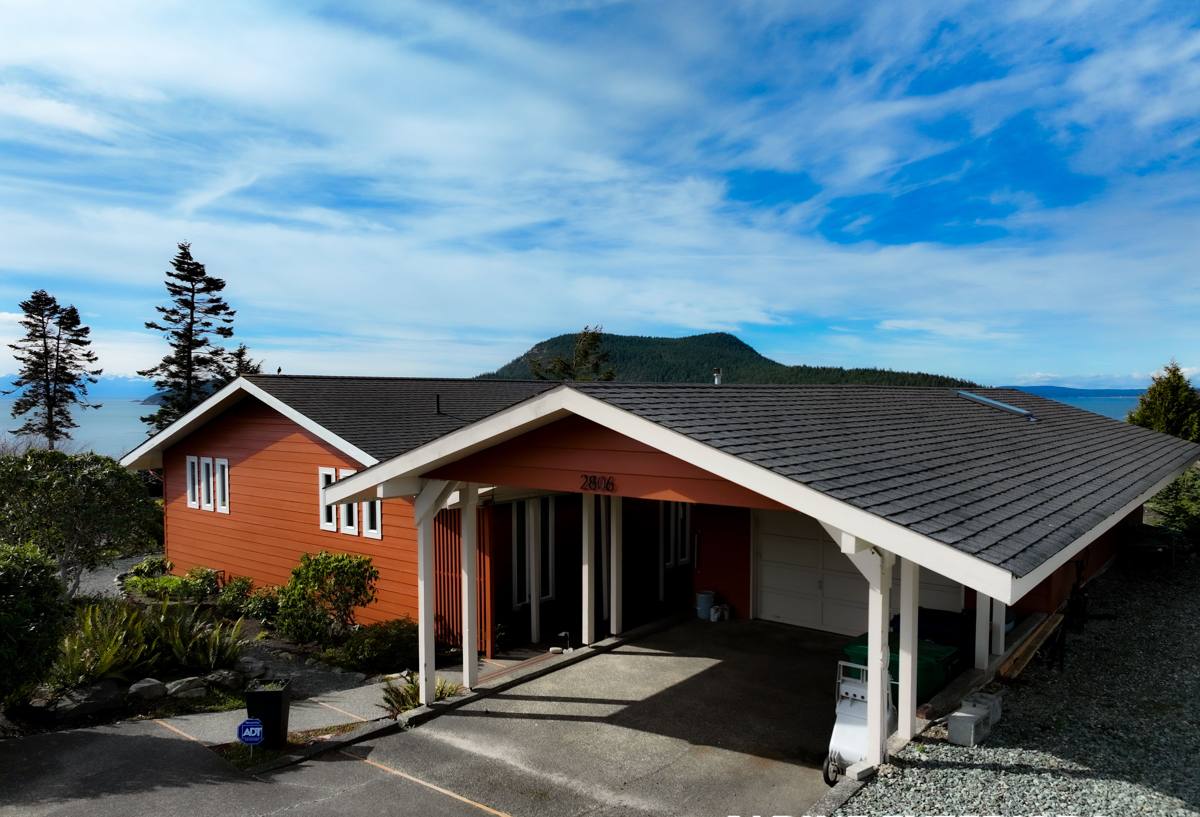
What Custer's Climate Does to a Home
Three things define exterior wear here: salt air, driving rain, and a long moss season. None of them are dramatic on their own, but together, over years, they add up faster than most homeowners expect.
Salt Air
Even set back from the water, Custer properties get enough marine air movement to accelerate corrosion on fasteners, flashing, and unprotected metal trim. Paint that would last a decade inland can start chalking and fading years sooner out here. Salt exposure doesn't destroy a house overnight — it just shortens the lifespan of every material that isn't rated to handle it.
Driving Rain
Whatcom County storms tend to come in sideways off the water rather than falling straight down. That matters because it means rain gets driven up under laps, into seams, and behind trim in ways that vertical rain wouldn't. Siding systems and roofing details that assume calm, straight-down rainfall — common assumptions in products designed for drier climates — get exposed here.
Moss Season
Between the rainfall totals and the tree cover common around Custer, moss has a long growing window — realistically much of the year. Moss holds moisture against roofing and siding surfaces long after a storm passes, which is exactly the condition that causes rot, granule loss, and coating breakdown. A roof or wall assembly that dries out quickly after rain will outlast one that stays damp for days.
Siding: Why We Only Install James Hardie
Birch Bay Exterior Co installs James Hardie fiber cement siding exclusively. We don't offer vinyl, LP SmartSide, Cemplank, Allura, primed spruce, or cedar as alternatives, and we think Custer homeowners deserve an honest explanation of why — not just a sales pitch for what we sell.
What the Alternatives Get Right (and Where They Struggle Here)
Vinyl siding is inexpensive and low-maintenance in mild climates, but it's a plastic product that can warp in temperature swings and becomes brittle with age; in driving rain it relies heavily on correct lap and flashing work since it isn't a rigid, sealed surface. Wood products like cedar or primed spruce have real aesthetic appeal and a long tradition in the Pacific Northwest, but they're organic materials — exactly what moss, moisture, and salt air are hardest on. They demand a repainting and recaulking schedule that most homeowners underestimate. Engineered wood products like LP SmartSide use a wood-strand substrate with a resin-treated shell; it performs reasonably well when installation details (especially cut-edge sealing) are followed precisely, but any lapse in that sealing lets moisture into the wood fiber core, and repairs aren't always simple. Cemplank and Allura are also fiber cement, and fiber cement as a category is the right call for this climate — but we standardized on one manufacturer rather than mixing product lines, warranty structures, and color systems across jobs.
Why James Hardie
James Hardie fiber cement is non-combustible, dimensionally stable in wet-dry cycling, and doesn't feed moss the way organic siding does. Its ColorPlus factory finish is baked on under controlled conditions, which holds color and resists the fading that salt air and UV accelerate on field-painted surfaces. Hardie's HZ5 product line is engineered for climates with exactly this kind of moisture exposure, and the transferable warranty holds up when the product is installed to Hardie's published specifications — something we make a point of getting right on every job, since the warranty structure has real teeth only when the install is done correctly.
Roofing for a Wet, Mossy Climate
Roofs in Custer take the worst of all three regional stressors at once: rain driven under shingle edges, moss holding moisture against the surface, and salt-influenced weathering of flashing and fasteners. A few things matter more here than in drier parts of the state:
- Proper underlayment and ice-and-water-shield detailing at eaves and valleys, where driving rain is most likely to get pushed backward under shingles
- Corrosion-resistant flashing and fasteners, given the marine air
- Ventilation that lets the roof deck dry out between rain events rather than staying damp
- A realistic moss-management plan, since prevention is far cheaper than the granule loss and rot that untreated moss causes over time
We evaluate all of this during a roof inspection rather than just quoting a reroof off a quick look — a lot of roof problems out here start as small, fixable drainage or ventilation issues.
Windows: Sealing Out Rain and Air
Window failures in Custer are rarely about the glass itself — they're almost always about the seal around the frame. Driving rain finds any gap in flashing or caulking, and once water gets behind a window frame, it can sit there and rot the surrounding wall assembly long before a homeowner notices a leak inside. Salt air also degrades weaker weatherstripping and hardware faster than it would inland. When we replace windows, we pay particular attention to flashing integration with the surrounding siding — a window is only as good as how well it's tied into the wall around it.
Decks: Built for Outdoor Living in a Wet Climate
A deck in Custer spends most of the year exposed to some combination of rain, humidity, and shaded dampness from surrounding trees. That combination is hard on wood decking, fasteners, and structural framing alike. Ledger board attachment and proper flashing where the deck meets the house are two of the most common failure points we see on older decks — both are moisture-management details that don't show themselves until there's already damage underneath. Composite decking has become a popular option here because it doesn't absorb moisture the way wood does and holds up better against the moss and mildew that shaded, damp decks tend to grow.
Comparing Siding Options for This Climate
| Material | Moisture Resistance | Moss/Organic Growth Risk | Maintenance | Typical Warranty Structure |
|---|---|---|---|---|
| Vinyl | Moderate — depends on lap/flashing | Low (non-organic surface) | Low, but can warp/crack over time | Prorated, varies by brand |
| Cedar / Primed Spruce | Weak without diligent upkeep | High — organic material | High — repaint/recaulk cycle | Little to none on the material itself |
| LP SmartSide | Good if cut edges are sealed correctly | Moderate | Moderate | Limited, install-dependent |
| Cemplank / Allura Fiber Cement | Strong | Low | Low | Varies by manufacturer |
| James Hardie Fiber Cement | Strong, HZ5 engineered for wet climates | Low | Low | Transferable, backed by install-to-spec compliance |
Why a Local Crew Matters
Exterior work in Custer isn't generic exterior work — it's exterior work that has to account for salt exposure, sideways rain, and moss growth patterns specific to this part of Whatcom County. A crew that mostly works drier inland regions may not think twice about flashing details or ventilation choices that matter enormously here. We work this area regularly enough to know what fails first on a Custer home and to build our installs around preventing exactly that.
A Quick Homeowner Checklist
- Check for moss buildup on roofing and shaded siding at least once a year, and address it before it spreads
- Inspect caulking and flashing around windows and doors for gaps after major storms
- Look at deck ledger boards and framing for soft spots or discoloration, especially in shaded areas
- Watch for chalking, fading, or peeling paint on siding — a sign the finish is losing its ability to protect the substrate underneath
- Have your roof's ventilation checked if you notice persistent dampness or slow drying after rain
Getting Started
If you're weighing a siding replacement, a reroof, new windows, or a deck project for a home in Custer, we're happy to walk the property with you and talk through what your home's exterior is actually dealing with — no pressure, no generic sales pitch. Reach out for a free estimate and we'll give you a straight answer about what your home needs and what it doesn't.