 Birch Bay Exterior
 Cottonwood Beach Homes Face a Different Kind of Weather
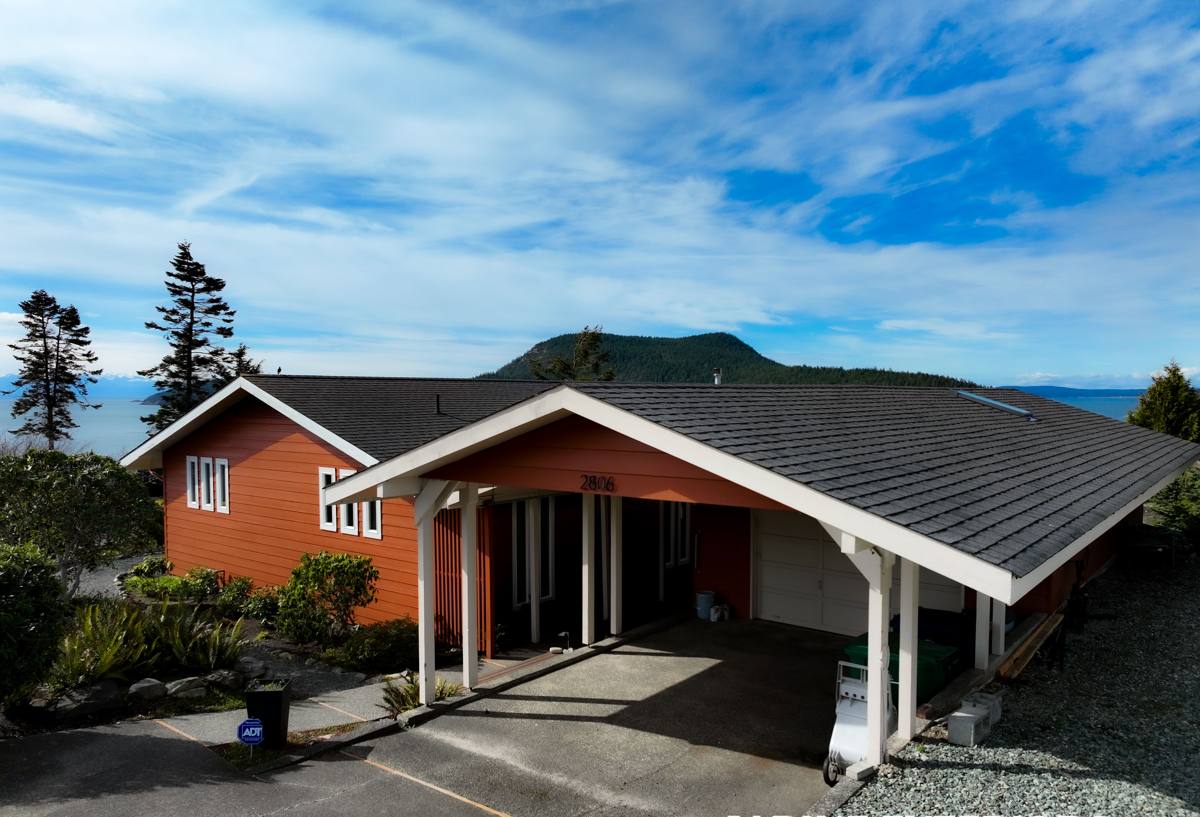
Cottonwood Beach sits close enough to the water that its homes live a different life than houses even a few miles inland. The exterior of a house here isn't just decoration — it's the only thing standing between a wood-framed structure and a steady combination of salt-laden air, wind-driven rain off the Strait, and a moss season that can stretch from October well into spring. Whatcom County's marine climate is mild by national standards, but "mild" doesn't mean gentle on building materials. It means relentless: months of damp air, short dry windows for repairs, and a slow, cumulative wear pattern that shows up as caulk failure, moss on the north-facing roof slopes, swollen trim, and paint that never quite looks fresh no matter how often it's redone.
We've built our business around understanding that pattern specifically, not exterior work in general. Birch Bay Exterior Co works this stretch of coastline regularly, and Cottonwood Beach is part of that regular rotation — not a once-a-year drive-by. That matters more here than in most places, because the failure modes on a coastal Whatcom County home are specific, and a crew that only sees them occasionally tends to treat every job like a generic remodel instead of a defense against a known set of conditions.
What Salt Air Actually Does to a House
Salt air is corrosive to metal and slowly degrading to almost everything else. Fasteners, flashing, hinges, and hardware that would last decades inland can start showing rust and pitting years earlier this close to the water. Paint films break down faster under the combination of UV, salt, and moisture cycling. Caulk joints that seal out water in a dry climate open up sooner here because the wood and trim behind them are expanding and contracting through more wet-dry cycles per year.
None of this is dramatic on its own — it's cumulative. A house that gets ignored for five or six years in this environment ages differently than the same house five miles inland under the same neglect. That's the core reason exterior material choice matters more in a place like Cottonwood Beach than it does in a drier, more sheltered part of the state.
Where the Damage Shows Up First
- Fastener heads and metal trim pieces — rust staining and pitting
- Caulked joints around windows, doors, and trim transitions — cracking and gaps
- North- and shade-facing siding and roof sections — moss and algae growth
- Lower wall sections and areas near grade — splash-back moisture and rot risk
- Painted wood trim — peeling, checking, and soft spots
Roofing for a Long Moss Season
Moss doesn't just look bad — it holds moisture against roofing material, works into shingle laps, and can lift material enough to let water find a path underneath. In Whatcom County's marine climate, the moss season isn't a few weeks; shaded, north-facing, and tree-adjacent roof sections can stay damp enough to support growth for most of the year. Cottonwood Beach's tree cover and proximity to the water both work against a roof here — trees hold moisture and drop debris into valleys, and the marine air keeps everything a little damper a little longer than it would be a few miles inland.
Good roofing in this environment isn't just about the shingle or metal product itself. It's about ventilation that lets the roof deck dry out between wet spells, flashing detail at every penetration and valley, and gutter systems sized and pitched to actually move water off the roof instead of holding it against the edge. We install and repair roofing with those details treated as non-negotiable, not optional upgrades, because in a moss-prone coastal climate they're the difference between a 20-year roof and a 12-year roof.
Windows: Sealing Out Wind-Driven Rain
Driving rain off the water doesn't fall straight down — it hits window walls at an angle, which puts real pressure on flashing, sill pans, and sealant joints that a calmer climate would barely test. Older windows in Cottonwood Beach homes often show their age first at the sill: soft wood, failed caulk, or fogging between panes from a seal that gave out years ago. Condensation is also a bigger issue near the water, where humidity runs higher — single-pane and older double-pane windows fog and sweat more here than the same units would inland.
When we replace windows, the flashing and sill pan detail gets as much attention as the window unit itself. A high-quality window installed without proper flashing will still leak in this climate; a modest window installed correctly will often outperform it. We size window recommendations to the wall it's going into — a shaded, weather-exposed wall facing the prevailing wind gets treated differently than a sheltered south wall.
Decks Facing the Elements
Outdoor living spaces in Cottonwood Beach take a beating from the same combination of salt air and moisture that wears on siding and roofing — plus direct UV and foot traffic. Ledger board connections, fastener corrosion, and moisture trapped between deck boards and framing are the most common failure points we see. Composite decking resists rot better than untreated wood but still needs correctly flashed ledger connections and proper drainage underneath to avoid trapping moisture against the house.
We build and repair decks with the same climate logic we apply to the rest of the exterior: stainless or coated fasteners rated for coastal exposure, proper ledger flashing where the deck meets the house, and drainage planning so water sheds away from the structure instead of pooling against it.
Why We Install Only James Hardie Fiber Cement Siding
Birch Bay Exterior Co made a deliberate decision to install James Hardie fiber cement siding exclusively — not vinyl, not LP SmartSide, not cedar, not primed spruce, and not other fiber cement brands. That's not a marketing position; it's a standard we hold because of what we consistently see happen to exterior materials in this specific climate.
| Material | How It Handles This Climate | Long-Term Trade-Off |
|---|---|---|
| Vinyl siding | Won't rot, but flexes and can warp under heat/cold cycling and impact; seams can allow moisture behind the panel | Shorter realistic lifespan in coastal wind exposure; fading over time; harder to repair invisibly |
| Cedar / wood siding | Attractive, but absorbs moisture readily in a wet marine climate | High maintenance burden — regular refinishing, rot risk at joints and lower courses |
| Primed spruce / engineered wood | Vulnerable at cut edges and fastener penetrations if moisture gets in | Swelling and edge failure risk if installation or maintenance lapses |
| James Hardie fiber cement | Non-combustible, engineered for moisture resistance, factory ColorPlus finish resists fading | Heavier material requiring correct installation technique; higher upfront cost than vinyl |
James Hardie's HZ product lines are engineered for specific climate zones, and Western Washington's marine exposure is exactly the kind of condition those lines are built around. The ColorPlus factory finish means the color is baked on in a controlled environment rather than field-painted, which holds up better against the fade-and-peel cycle salt air and UV create on site-finished materials. Hardie also backs its siding with a strong transferable warranty, which matters to homeowners who may sell before the siding's functional life is up.
None of this means other products are without merit — vinyl is inexpensive and low-maintenance in mild climates, and cedar has genuine aesthetic appeal. But we've chosen to specialize in one system we can install and stand behind at a high standard, rather than offer several products at a lower standard across all of them. For a property this close to the water, that trade-off favors Hardie.
What a Local Crew Brings to a Cottonwood Beach Project
A crew that works Whatcom County's coastline regularly develops an instinct for where water actually gets in — which corners, which fastener patterns, which flashing shortcuts fail first in this specific climate. That's different from general contracting experience. It shows up in small decisions: where we add an extra flashing detail that isn't strictly required by code but is clearly warranted given the wind exposure, or which fastener spec we won't compromise on even if it costs a little more.
It also shows up in scheduling. Exterior work here has real weather windows, and a local crew plans around them instead of getting caught mid-project by a stretch of driving rain that a less familiar contractor didn't anticipate.
Our Process for a Cottonwood Beach Exterior Project
- On-site assessment of siding, roofing, windows, and/or decking condition, with attention to moisture and salt-exposure indicators specific to this area
- Clear scope and written estimate — no vague allowances
- Material selection guidance based on sun/shade exposure and wind direction for that specific wall or roof section
- Installation with coastal-grade fastening, flashing, and sealing detail
- Final walkthrough and maintenance guidance specific to a marine climate
Maintenance Considerations and Cost Factors
Homeowners often ask what actually drives cost differences on an exterior project in this area. A few factors matter more here than they would inland:
| Factor | Why It Affects Cost/Timeline Here |
|---|---|
| Roof pitch and tree cover | Shaded, moss-prone sections may need additional treatment or more frequent maintenance |
| Wall exposure to prevailing wind/rain | Weather-facing walls may warrant upgraded flashing detail beyond code minimum |
| Existing moisture damage | Rot repair behind old siding or trim adds scope that isn't visible until removal |
| Access and site conditions | Coastal lots with limited access or steep grades can affect equipment staging |
| Weather window | Scheduling around Whatcom County's wet season affects project timeline more than material choice does |
Regular light maintenance — clearing debris from gutters and roof valleys, checking caulk joints annually, and keeping vegetation trimmed back from siding — goes a long way toward slowing the wear this climate creates. It's far cheaper than deferred maintenance that turns into a rot repair.
Ready When You Are
If you're weighing a siding, roofing, window, or deck project for a Cottonwood Beach property, we're glad to take a look and talk through what your home actually needs — no pressure, no generic sales pitch. Reach out for a free estimate using the form below.