 Birch Bay Exterior
 Exterior Work Built for California Creek's Coastal Conditions
California Creek sits close enough to the water that homes here deal with a specific mix of weather stress: salt-laden air moving in off the Strait, wind-driven rain that finds every gap in poorly flashed trim, and a moss season that can run most of the year in the shaded, damp corners of a property. None of that is unique to one street or one subdivision — it's the baseline for anywhere in this stretch of Whatcom County that sits near tidal water and under a marine cloud layer. What it means practically is that exterior materials and installation details that hold up fine forty miles inland can fail early here if they weren't chosen and installed with this climate in mind.
Birch Bay Exterior Co works this area regularly, and we build every siding, roofing, window, and deck job around the fact that the exterior envelope in a place like California Creek is doing more work than it would somewhere drier and further from the coast.
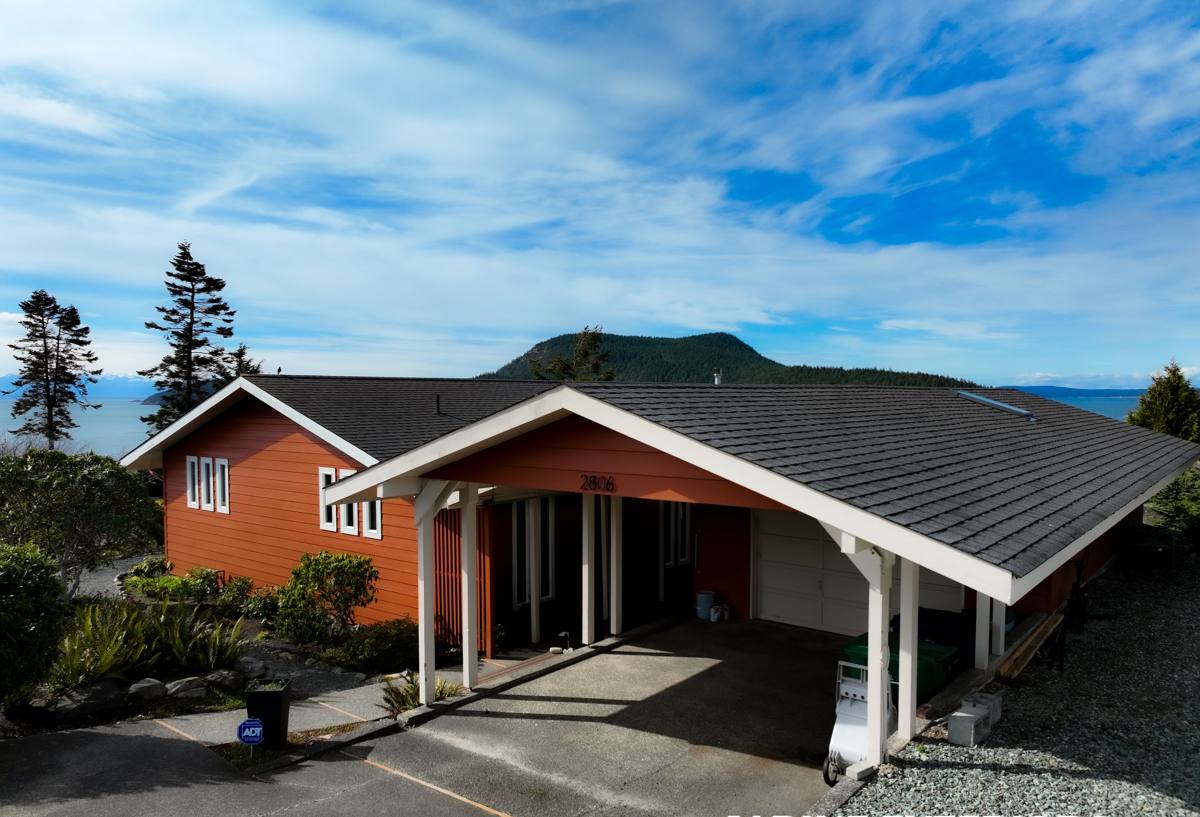
What Salt Air and Driving Rain Actually Do to a Home
Salt Air
Airborne salt is corrosive and it doesn't stay near the shoreline — wind carries it inland and it settles on every exterior surface, including siding, trim, fasteners, and roofing metal. Over years, salt exposure accelerates corrosion on unprotected or poorly coated metal components (nails, flashing, gutter hardware) and speeds up the breakdown of paint films and less durable siding materials. It also tends to hold moisture against surfaces longer, which compounds the next problem.
Driving Rain
This isn't gentle, straight-down rain. Wind off the water pushes rain sideways into wall assemblies, up under lap siding, and into window and door openings that weren't flashed correctly. Homes near the coast see more wind-driven rain events per year than inland homes, which means water intrusion risk is concentrated at the details most homeowners never think about: kick-out flashing at roof-to-wall intersections, window head flashing, deck ledger connections, and siding laps and butt joints.
The Long Moss Season
Between the marine humidity and the shade many California Creek lots get from mature trees, roofs and north-facing siding can stay damp for extended stretches, which is exactly what moss and algae need to establish. Left alone, moss on a roof holds moisture against shingles and can lift edges over time, shortening roof life. On siding, sustained moisture behind a compromised paint or coating layer is what eventually leads to swelling, soft spots, or paint failure — the underlying material matters as much as the surface finish.
- Roofs facing north or shaded by trees hold moss longer and need more frequent inspection
- Gutters clogged with needles and moss debris back water up under roof edges and fascia
- Siding in shaded, low-airflow areas of a lot dries slower after rain
- Deck boards and ledger areas that stay damp are where rot starts first
Siding: Why We Only Install James Hardie
Siding choice matters more here than in a dry inland climate, because the material has to tolerate repeated wetting, salt exposure, and shade-driven moisture without breaking down. We install James Hardie fiber cement exclusively — we don't install vinyl, LP SmartSide, cedar, primed spruce, Cemplank, or Allura — and that's a deliberate standard, not a matter of what we happen to stock.
Fiber cement is non-combustible and dimensionally stable, meaning it doesn't expand, contract, warp, or rot the way wood-based products can when they take on repeated moisture cycles. Hardie's ColorPlus factory-applied finish is baked on under controlled conditions rather than field-painted, which gives more consistent, longer-lasting coverage than a coating applied on-site in variable weather — a real advantage in an area where you don't get long dry stretches to work with. Hardie also engineers regional HZ5 product lines specifically for climates with more moisture exposure, and backs the product with a strong transferable warranty.
We're not saying every other product is unusable everywhere — we're saying that after years of installing and repairing exteriors in this climate, fiber cement from Hardie is what we're willing to warranty our workmanship on. Vinyl can crack and fade under UV and temperature swings and doesn't offer the same fire performance. Untreated or primed wood products need more diligent, more frequent maintenance to keep moisture out — maintenance that's easy to fall behind on. Hardie removes a lot of that ongoing risk.
Siding Material Comparison
| Material | Moisture/Rot Resistance | Maintenance | Coastal Durability |
|---|---|---|---|
| James Hardie Fiber Cement | High — won't rot, stable in wet cycles | Low — factory finish, periodic wash | Engineered HZ lines for wetter climates |
| Vinyl | Doesn't rot, but can warp/crack | Low, but fades and becomes brittle over time | UV and temperature swings degrade it faster near open water |
| Cedar/Primed Wood | Vulnerable without diligent upkeep | High — repainting, caulking, inspection | Struggles with sustained moisture and salt exposure |
Roofing for a Coastal Whatcom County Property
Roofing in California Creek needs to account for both the wind-driven rain and the moss pressure described above. That comes down to a handful of things done right: adequate underlayment, correctly lapped and sealed flashing at every penetration and wall intersection, proper ventilation to control condensation from inside the attic, and a plan for keeping moss growth in check over the life of the roof. We also pay close attention to gutter and downspout capacity — undersized or clogged systems are a common cause of water finding its way into fascia and soffits during heavy coastal rain events.
If your roof is shaded most of the day or has visible moss streaking, that's worth a look before it becomes a bigger repair. Catching lifted shingles or compromised flashing early is far cheaper than dealing with the water damage that follows once it's been getting in for a season or two.
Windows: Where Driving Rain Finds the Gaps
Window failures near the coast are rarely about the glass — they're almost always about flashing and installation detail. A window that isn't properly integrated with the wall's water-resistive barrier and head flashing will let wind-driven rain track behind the siding and into the wall cavity, often with no visible sign until there's already damage to sheathing or framing. When we replace windows, we treat the flashing and integration with the siding system as equally important as the window unit itself, particularly on wall faces that catch prevailing wind and rain.
Decks: Built to Handle Damp, Shaded Conditions
Decks in this area face the same moisture and moss issues as roofs and siding, plus direct structural concerns: ledger board attachment, joist spacing, and fastener corrosion resistance all matter more in a salt-air environment. We use fasteners and hardware rated for exterior/coastal exposure, flash ledger connections properly to keep water from tracking into the house framing, and account for drainage so water doesn't pool on or under the deck surface where moss and rot take hold fastest.
Why a Local Crew Matters Here
A crew that mostly works inland jobs isn't necessarily thinking about salt-rated fasteners, wind-driven rain flashing details, or moss-prone shade patterns as a default — they're details that come from doing this work repeatedly in this specific environment. Working regularly in Birch Bay and the surrounding Whatcom County coastline means we're not guessing at how a roof, wall, or deck will hold up in these conditions; we've seen what goes wrong when those details get skipped and we build to avoid it from the start.
A Practical Pre-Project Checklist for California Creek Homeowners
- Check north-facing and shaded roof sections and siding for moss or algae buildup
- Look at gutters and downspouts for capacity and debris buildup before the next heavy rain
- Inspect window trim and caulking for gaps, especially on walls that face prevailing wind
- Check deck ledger boards and fastener hardware for rust or corrosion staining
- Note any soft spots, discoloration, or paint failure on exterior siding
- Have any wall assembly that's shown past water staining opened up and inspected, not just resurfaced
What to Expect When You Work With Us
We assess the specific exposure of your property — which walls take the wind and rain, how much shade you're dealing with, what your current siding, roofing, and drainage details look like — before recommending a scope of work. For siding, that means James Hardie fiber cement sized and installed to the manufacturer's coastal specifications. For roofing, windows, and decks, it means installation details that are built around this area's rain and moisture patterns rather than a generic inland approach.
If you're noticing moss buildup, water staining, or general wear on your home's exterior, we're happy to come take a look and give you a straightforward assessment — no pressure, no obligation. Reach out for a free estimate and we'll walk the property with you and talk through what actually needs attention.