 Birch Bay Exterior
 Why This Comparison Matters More in Birch Bay Than Most Places
Birch Bay sits right on the water, and that changes the math on siding decisions. Salt-laden air off the bay accelerates the breakdown of certain materials, wind-driven rain finds every gap in a poorly detailed wall system, and the long, damp moss season here means anything with a textured or porous surface is going to collect organic growth if it isn't installed and maintained correctly. Homeowners in Blaine, Custer, and the rest of Whatcom County deal with the same conditions. When you're choosing a siding product for a home this close to the Salish Sea, you're not just picking a look — you're picking how the wall behind that look is going to perform for the next 20-30 years.
This page compares the two products we get asked about most: vinyl siding and James Hardie fiber cement. We only install James Hardie, so you should know that going in. But we'll give vinyl a fair shake first, because a fair comparison is the only kind worth reading.
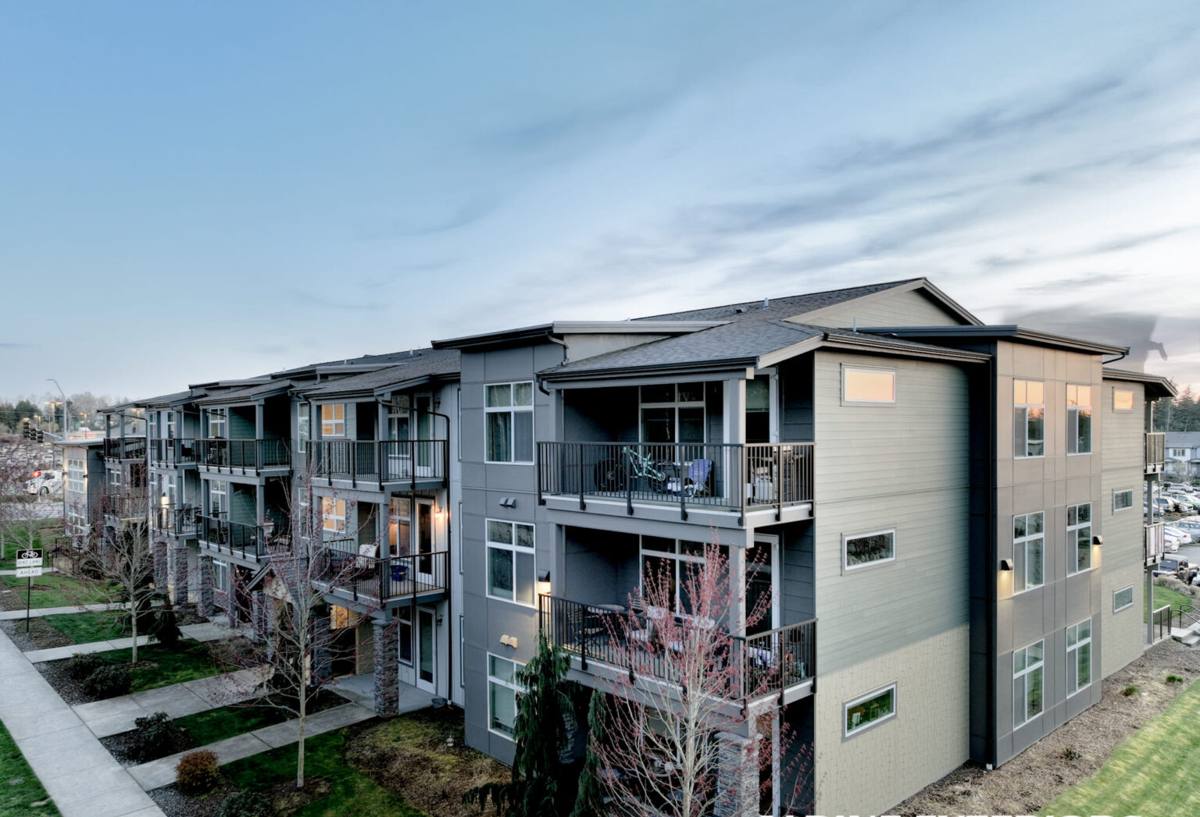
What Vinyl Siding Actually Gets Right
Vinyl has stayed popular for real reasons, and it's worth naming them plainly:
- Lower upfront material and labor cost than most other siding types, which matters on tight renovation budgets.
- Fast installation — panels snap together and go up quickly compared to fiber cement's cut-fit-caulk-paint process.
- No paint required — color is baked into the panel itself, so there's no repainting cycle in the first several years.
- Widely available in a broad range of colors and profiles, and most siding crews can install it.
If budget is the deciding factor and the home isn't facing direct marine exposure, vinyl isn't an unreasonable choice. We're not going to pretend otherwise.
Where Vinyl Struggles in a Marine, Rain-Heavy Climate
Salt Air and Material Fatigue
Vinyl is a petroleum-based plastic, and plastic siding on a bayfront or near-bayfront property is exposed to salt spray that most manufacturers' warranty language never fully anticipated. Over years of exposure, vinyl panels near the water tend to show more fading, chalking, and brittleness than the same product installed further inland. Cold, damp air also makes vinyl more prone to cracking on impact — a dropped ladder, a wind-blown branch, hail — right when the material is least flexible.
Wind-Driven Rain and Water Management
Vinyl siding is designed as a rain screen, not a waterproof barrier — water is expected to get behind it and drain out. That design assumption works fine in moderate weather, but Birch Bay's winter storms push rain sideways with real force. Vinyl's overlapping panels and expansion gaps give wind-driven rain more opportunities to work past the surface, which puts even more weight on whatever house wrap and flashing details sit underneath. If those details are anything less than correct, moisture problems show up in the wall cavity long before anyone sees a stain on the siding itself.
Moss, Algae, and Upkeep
Vinyl doesn't rot, but its textured woodgrain finishes and panel laps hold moisture and grime in our damp, low-sun winters, giving algae and moss a place to take hold — especially on north-facing walls and anything shaded by trees. Cleaning it is usually just a seasonal wash, but it's an upkeep task that never really goes away in this climate.
Heat and Warping
It's less of a factor here than in hotter regions, but dark-colored vinyl can still warp or buckle in direct summer sun reflecting off a window or dark surface nearby. Once a panel warps, it doesn't flatten back out — it gets replaced.
What James Hardie Fiber Cement Actually Is
James Hardie siding is made from cement, sand, and cellulose fiber, engineered and pressed into planks, panels, and shingle-style pieces, then baked. It's non-combustible, dimensionally stable, and heavy enough that it doesn't flex or rattle in wind the way lighter materials can. James Hardie makes climate-specific product lines — their HZ5 formulation is engineered for wetter, colder regions like the Pacific Northwest, which is the line that fits Whatcom County's weather profile.
ColorPlus Factory Finish
Most Hardie products are available with a ColorPlus finish — a baked-on, multi-coat finish applied in a controlled factory environment rather than on a job site in variable weather. It resists fading and chipping better than field-applied paint, and it comes with its own finish warranty separate from the substrate warranty.
Product Lines Relevant to This Area
- HardiePlank lap siding — the standard horizontal lap look, available in several plank widths and textures.
- HardiePanel — vertical panel siding, often used for accents or modern facades.
- HardieShingle — a shingle-style profile for homes wanting a cedar-shake look without the maintenance of real cedar.
- HardieTrim — matching trim boards so the whole exterior system is fiber cement, not a mix of materials aging at different rates.
Head-to-Head: Vinyl vs. James Hardie in Birch Bay Conditions
| Factor | Vinyl Siding | James Hardie Fiber Cement |
|---|---|---|
| Salt air resistance | Degrades faster near the water; fading and brittleness over time | Non-organic, cement-based composition holds up well to salt exposure |
| Wind-driven rain | Rain-screen design; performance depends heavily on underlying wrap/flashing | Heavier, more rigid panels with tighter installed tolerances; still relies on correct flashing |
| Impact resistance | Can crack in cold weather or from impact | Resists denting and cracking; brittle only under extreme force |
| Fire rating | Combustible plastic material | Non-combustible; often factors into insurance discussions |
| Moss/algae tendency | Textured finishes can trap moisture and organic growth | Smoother factory finish sheds moisture; still needs periodic washing |
| Upfront cost | Lower | Higher |
| Expected lifespan (installed to spec) | 20-30 years typical | 30-50+ years typical |
| Warranty structure | Prorated material warranty, varies by manufacturer | Non-prorated substrate warranty plus separate ColorPlus finish warranty |
Installation Sensitivity: Where Both Products Can Go Wrong
No siding product performs to its potential if it's installed poorly, and that's especially true in a wet, wind-exposed area like Birch Bay. A few installation details matter more here than in drier climates:
- House wrap and flashing continuity — the water-resistive barrier behind the siding has to be lapped and taped correctly at every window, door, and penetration, regardless of what siding goes on top of it.
- Proper fastening pattern — Hardie has specific nailing schedules by product line and exposure zone; under- or over-driven fasteners are one of the most common installation defects we see on prior jobs.
- Clearance and gaps — both products need correct clearance from grade, roofing, and decks to keep splashback and standing water away from the bottom edge.
- Caulking and sealant joints — fiber cement joints need the right sealant, applied correctly, to stay watertight through decades of freeze-thaw and wind-driven rain cycles.
Because Hardie is heavier and requires blade changes, specific fasteners, and factory-trained technique, installation quality varies more between crews than it does with vinyl. That's part of why we standardized on one product we can install to spec every time, rather than juggling multiple systems.
Cost Over the Life of the Siding, Not Just at Installation
Vinyl's lower purchase price is real, but it's only half the financial picture. Fiber cement's higher upfront cost is offset by a longer service life, less frequent full-siding replacement, and (with ColorPlus) less repainting than a wood-adjacent product would need. Homeowners planning to stay in a Birch Bay home long-term, or planning to sell into a market where buyers ask about siding material, generally get more value out of the higher initial investment. Homeowners on a short timeline or tight renovation budget may reasonably weigh that differently — that's a legitimate homeowner decision, not something we're going to pressure anyone on.
Warranty: What's Actually Backing the Product
Vinyl warranties are usually prorated, meaning the payout shrinks the longer you've owned the siding — a 30-year warranty on paper often pays out much less than replacement cost by year 15 or 20. James Hardie's substrate warranty is non-prorated for its stated term, and the ColorPlus finish carries its own separate warranty covering fade and chip resistance. Warranty terms and transferability change over time, so we always walk homeowners through the current documentation for their specific product line rather than quoting numbers from memory.
A Practical Checklist If You're Deciding Between the Two
- How close is the home to the water, and how much direct wind and salt exposure does it get?
- Is the current siding failing from moisture, or just cosmetically dated?
- What's the timeline — are you staying in the home long-term or preparing to sell?
- What's the budget, and does it account for full lifecycle cost, not just installed price?
- Is the installing crew factory-trained on the specific product being quoted?
- What does the written warranty actually say about proration and transferability?
Why We Only Install James Hardie
We made a decision to standardize on one siding system rather than offer several, and it comes down to this: James Hardie's fiber cement composition, climate-engineered HZ5 line, factory-applied ColorPlus finish, and non-prorated warranty structure line up with what actually holds up in a place like Birch Bay — salt air, driving rain, and a moss season that doesn't let up for months. That doesn't make vinyl a bad product everywhere it's used. It means we'd rather install one system well, to spec, on every job, than offer a lower-cost option we're less confident will perform the way homeowners expect thirty years from now.
If you're weighing siding options for a Birch Bay or Whatcom County home, we're glad to walk the property with you, look at your current siding's condition and exposure, and give you a straight answer on what makes sense — no pressure, no obligation. Reach out for a free estimate using the form below.