 Birch Bay Exterior
 Exterior Work in Birch Bay Village
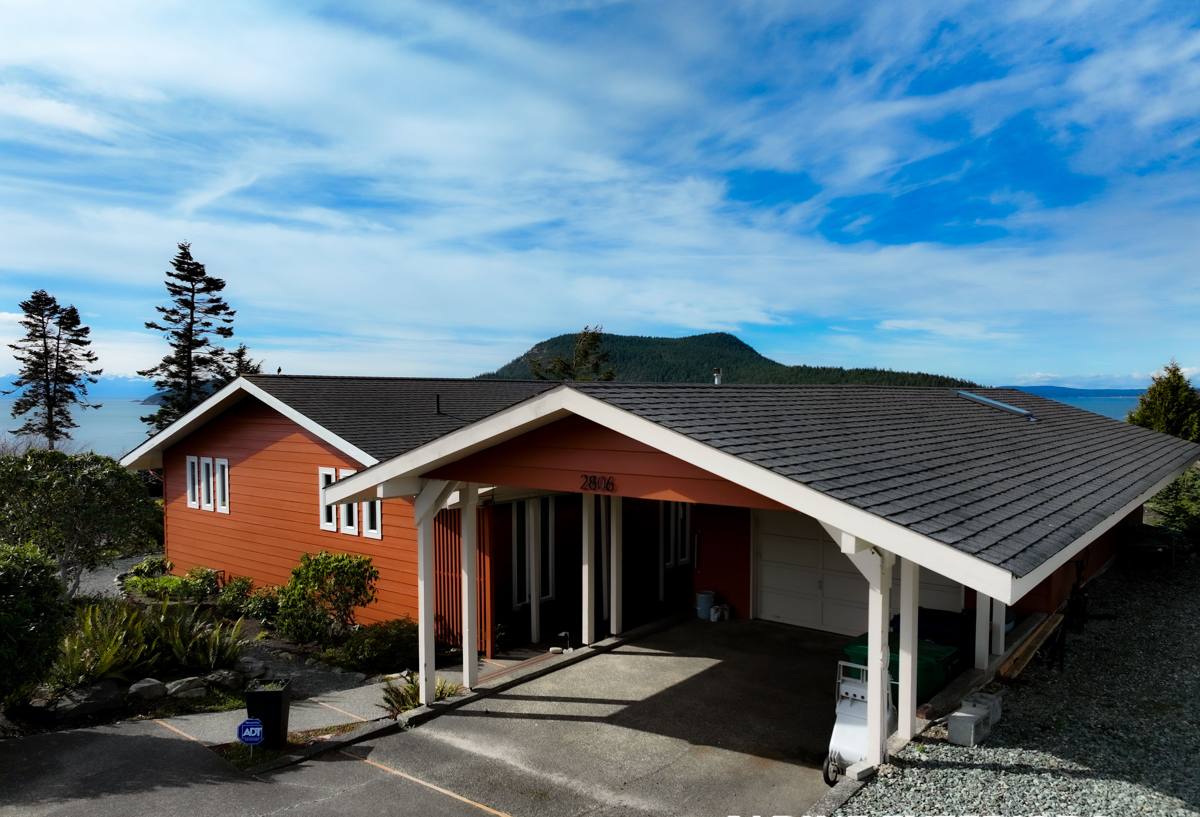
Birch Bay Village sits close enough to the water that its exterior conditions are a step tougher than what you'd deal with a few miles inland in Whatcom County. Homes here are built right into the trade-offs of coastal living: the view and the sea breeze are the draw, but the same air carries salt, moisture, and a level of year-round dampness that pushes exterior materials harder than most manufacturers account for in their standard warranty language. We work on homes throughout Birch Bay Village and the surrounding area, and we've built our approach around what actually happens to siding, roofing, windows, and decks in this specific microclimate — not a generic Pacific Northwest checklist.
This page walks through what we see most often on Birch Bay Village homes, how we approach each part of the exterior, and why using a crew that works this coastline regularly makes a real difference in how long the work lasts.
What the Birch Bay Climate Does to a House
Three conditions define exterior wear in this area, and they compound each other rather than acting independently.
Salt Air
Airborne salt from the bay settles on every exposed surface — siding, trim, fasteners, window frames, gutters. It's not dramatic like a storm event, it's a slow, constant process. Salt accelerates corrosion on metal fasteners and flashing, and it can degrade lower-quality paint finishes and caulking faster than inland homes ever experience. Anything installed here needs to be rated for it, and fastener choice matters as much as the siding material itself.
Driving Rain
Wind off the water doesn't just drop rain straight down — it drives it sideways into wall assemblies, under eaves, and around window and door openings. That means water intrusion risk isn't limited to flat horizontal surfaces like a roof deck; it's a real concern at every vertical seam, joint, and penetration on the exterior. Homes in Birch Bay Village need weather-resistive barriers, flashing details, and siding installation practices that assume rain will hit the wall from an angle, not just fall on the roof.
Moss and Sustained Dampness
Birch Bay's mild, wet winters create a long moss season — longer than drier parts of Whatcom County see. Moss holds moisture against roofing and siding surfaces for extended periods, which accelerates rot in wood-based products and can shorten the service life of asphalt shingles if it's left unaddressed. Shaded north-facing walls and roof slopes are usually the worst affected, and they need to be part of any honest inspection, not just the areas visible from the street.
Siding: What We Install and Why
We install James Hardie fiber cement siding exclusively. That's not a marketing preference — it's a decision built around what holds up on homes exposed to salt air and driving rain over decades, not just years.
Why Fiber Cement Fits This Location
- Non-combustible material composition, which matters given wildfire smoke and ember exposure is a growing consideration even in coastal Washington
- Doesn't absorb moisture the way wood-based or wood-adjacent siding products can, which matters directly given the sustained dampness and moss exposure common here
- Factory-applied ColorPlus finish is baked on under controlled conditions, rather than field-painted, which holds color and resists the fading and chalking that salt air and UV exposure cause over time
- James Hardie's HZ5 product line is engineered specifically for climates with more moisture cycling, which fits Birch Bay's profile better than a generic product spec
We don't install vinyl, LP SmartSide, primed wood, or other fiber cement brands. Each of those has legitimate uses elsewhere, but we've made a standardization decision based on what we've seen hold up — and not hold up — on homes exposed to this specific combination of salt, wind-driven rain, and prolonged moisture. If you want the fuller reasoning on any one of those alternatives, we've written separate pages on each.
Installation Details That Matter More Here Than Elsewhere
Fiber cement siding is only as good as its installation. In a driving-rain environment, the details that get skipped on a rushed job are exactly the details that fail first:
- Correct fastener spacing and type — stainless or coated fasteners rated for coastal exposure, not standard interior-grade hardware
- Proper rainscreen or drainage plane behind the siding so any moisture that gets past the surface has somewhere to go
- Flashing at every window, door, and roof-to-wall transition, sized and lapped correctly for wind-driven water
- Correct caulking at butt joints, sized gaps per manufacturer spec rather than jammed tight, which lets the material expand and contract without cracking the seal
Roofing in a Long Moss Season
Roofing decisions here need to account for how long moss stays active. A roof that would go three or four years between cleanings in a drier part of the county may need attention more often in Birch Bay Village, particularly on north-facing slopes and anywhere overhung by trees.
What We Look At
- Existing moss and lichen growth, and whether it's already lifted shingle edges or trapped moisture against the deck
- Flashing condition at valleys, chimneys, and any roof-to-wall intersections, since these are the first places wind-driven rain finds a way in
- Gutter and downspout capacity — undersized or poorly maintained gutters are a bigger problem in a high-rainfall coastal pocket than they are inland
- Ventilation, since trapped moisture in the attic combined with a damp exterior climate speeds up deterioration from both sides of the roof deck
Roof replacement and repair work both benefit from scheduling with the moss cycle in mind — inspecting and treating growth before it causes structural issues is far cheaper than reactive repair after a leak shows up inside the house.
Windows: Sealing Against Wind-Driven Water
Window failures near the water are rarely about the glass itself — they're almost always about the seal and flashing around the frame. Wind-driven rain finds any gap in the weather barrier, and once water gets behind a window frame, it can travel and cause rot well away from the original entry point before it's noticed.
When we replace windows in Birch Bay Village, we pay particular attention to:
- Proper flashing integration with the surrounding wall's weather-resistive barrier, not just caulk around the exterior trim
- Sill pan flashing so any water that does get past the outer seal drains back out rather than pooling
- Frame material and glazing suited to salt air exposure and temperature swings between summer sun and winter damp
Decks: Built for Wet Wood Exposure
Decks in this area deal with the same moss and moisture pressure as roofs, plus direct weather exposure with no overhang protection in most cases. Fastener corrosion, ledger board rot at the house connection, and slick moss growth on walking surfaces are the most common issues we find. Materials, fastener grade, and proper ledger flashing all need to be chosen with this exposure in mind rather than a standard inland deck spec.
Cost Factors for Birch Bay Village Homes
Every project is different, but a few factors consistently shift scope and cost more here than they would inland:
| Factor | Why It Matters Locally |
|---|---|
| Existing moisture damage | Homes near the water often have hidden rot behind siding or at roof penetrations that isn't visible until removal begins |
| Fastener and hardware grade | Coastal-rated fasteners cost more than standard hardware but are non-negotiable for longevity |
| Access and site conditions | Waterfront lots, retaining walls, and tree cover can affect equipment access and labor time |
| Moss remediation | Existing growth may need treatment or removal before roofing or siding work can proceed cleanly |
| Flashing scope | Wind-driven rain exposure often calls for more extensive flashing detail than a standard inland install |
Why a Local Crew Matters Here
A contractor who mostly works inland projects, or who travels in from outside Whatcom County, may not default to coastal-grade fasteners, may underestimate moss remediation timing, or may not size flashing for wind-driven rain the way a crew that works this shoreline every season does. We're not saying every outside contractor does bad work — we're saying the details that matter most in Birch Bay Village are the ones that are easiest to skip if you don't see the consequences of skipping them firsthand. Working this area regularly means we see call-backs and failures tied to shortcuts, and we build our process to avoid repeating them.
Our Process for Birch Bay Village Homeowners
- On-site inspection covering siding, roofing, windows, and decking together, since problems in one area often start in another
- Honest assessment of what's salvageable versus what needs replacement, with photos and plain-language explanation
- Written estimate that separates material, labor, and any moisture remediation or structural repair scope
- Installation following manufacturer specs for coastal exposure, not shortcut methods that save time but shorten lifespan
- Final walkthrough before we consider the job done
If you own a home in Birch Bay Village and want a straight answer about what your siding, roof, windows, or deck actually need — not a sales pitch — we're glad to come take a look. Fill out the form below for a free, no-pressure estimate.