 Birch Bay Exterior
 Roofing in Cherry Point: A Different Set of Demands
Cherry Point sits right up against the water in Whatcom County, and that location shapes everything about how a roof ages here. Homes on or near the shoreline take a steady dose of salt-laden air off the Strait of Georgia, get hit with wind-driven rain that finds its way under poorly lapped materials, and sit under a marine cloud layer for much of the year that keeps roof surfaces damp long after a storm has passed. That combination is harder on a roof than inland exposure, even a few miles away in Blaine or Ferndale. A new roof installation in Cherry Point isn't just a standard tear-off and reroof — it's a job that has to account for corrosion-prone fasteners, algae and moss growth, and wind uplift on a shoreline lot.
We install roofs across Birch Bay and the surrounding Whatcom County shoreline, and Cherry Point homes are a regular part of that work. That matters because a roof crew that mostly works inland subdivisions doesn't always think about the details that keep a coastal roof performing — the right fastener metal, the right underlayment for a slow-drying roof plane, the right ventilation to keep moss from taking hold again in year two.
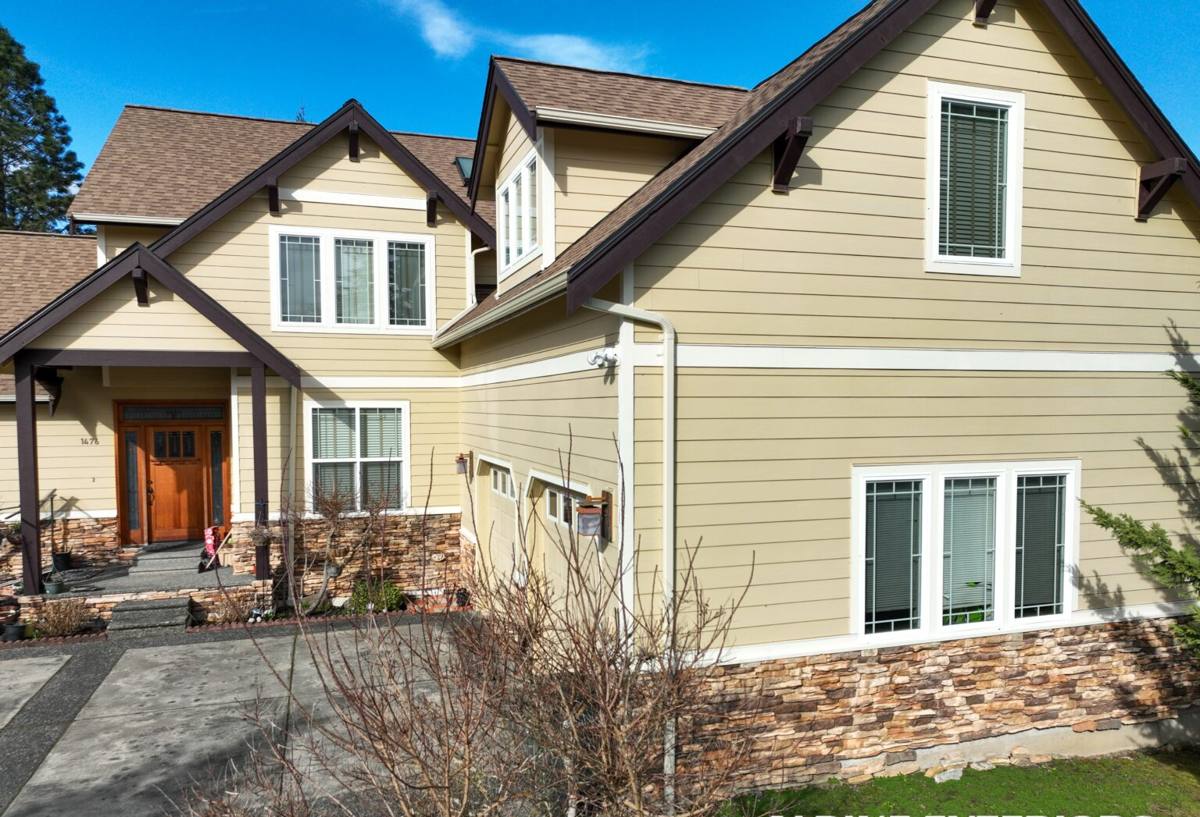
How Salt Air, Rain, and Moss Actually Damage a Roof
Salt Air and Corrosion
Airborne salt accelerates corrosion on any exposed metal — nail heads, flashing, drip edge, and the fasteners holding shingles or panels down. Once a fastener starts to rust, it loses holding strength and can eventually let water in around the shank. On an older Cherry Point roof, corroded fasteners are one of the most common reasons a roof that "looks fine" from the ground is actually failing underneath.
Driving Rain and Wind
Storms coming off the water tend to drive rain sideways rather than straight down, which pushes moisture into laps, seams, and flashing details that would stay dry in a calmer inland rain. This is why flashing quality and underlayment coverage matter more here than the shingle brand printed on the wrapper. A roof that's correctly flashed at valleys, walls, chimneys, and penetrations will shed wind-driven rain; one that's only "good enough" for typical weather usually starts leaking at those same points within a few seasons.
Moss and Algae
Whatcom County's long wet season, combined with shade from mature trees on many Birch Bay-area lots, gives moss plenty of time to establish itself. Moss holds moisture against the roof surface, works its way under shingle tabs as it grows, and can lift materials enough to let water track underneath. Left alone, a mossy roof degrades faster than a clean one of the same age and material — moss isn't just a cosmetic issue.
Signs a Cherry Point Roof Needs Replacing
- Granules collecting in gutters or at downspout outlets, especially on a roof over 15 years old
- Shingles that are cupping, curling, or cracking, particularly on the sides facing the water
- Moss growth that keeps returning within a year or two of cleaning
- Rust staining below metal flashing or fasteners
- Soft spots in the decking when walked, or sagging visible from the ground
- Daylight visible through the roof deck from inside the attic
- Interior water stains on ceilings, especially near valleys, chimneys, or skylights
- Multiple past repairs to the same area of roof
If you're only seeing one or two of these, a repair may still make sense. If several apply at once, or the roof is past its expected service life, replacement is usually the more honest recommendation — patching a roof that's failing systemically just delays a bigger bill.
Choosing the Right Roofing Material for a Cherry Point Home
There's no single "best" roofing material — the right choice depends on your home's exposure, budget, and how long you plan to own it. Here's how the common options hold up specifically against salt air, wind-driven rain, and moss:
| Material | Salt Air / Corrosion | Wind-Driven Rain | Moss Resistance | Typical Lifespan |
|---|---|---|---|---|
| Architectural asphalt shingle | Good with corrosion-resistant fasteners | Good when properly flashed | Moderate — benefits from algae-resistant granules | 25–30 years |
| Standing seam metal | Excellent with the right coating and fastener spec | Excellent — few exposed seams | Good — sheds moisture quickly | 40–50+ years |
| Metal shingle / stone-coated steel | Very good | Very good | Good | 40–50 years |
| Cedar shake | Fair — needs regular maintenance | Fair — more seams and laps | Poor without diligent upkeep | 20–30 years with maintenance |
For most Cherry Point homes, we point people toward either a high-quality algae-resistant architectural shingle or a metal roofing system, depending on budget and how the home's style suits each. Cedar shake can look great on the right house, but on a shoreline lot it demands a level of ongoing maintenance — cleaning, treating, replacing individual shakes — that many owners underestimate. We'll always tell you honestly what a material requires to hold up here, not just how it looks on day one.
What Correct Installation Actually Involves
A new roof is only as good as the details underneath the finished surface. On a Cherry Point job, we pay particular attention to:
Full Tear-Off and Deck Inspection
We remove the old roofing down to the deck rather than layering over it. That lets us actually see the plywood or plank decking underneath — soft, water-stained, or rotted sections get replaced before anything new goes down. Installing over hidden deck damage just guarantees a shorter roof life.
Ice-and-Water or Synthetic Underlayment
Given how often this roof plane sees wind-driven rain, we run water-resistant underlayment along eaves, valleys, and around every penetration — not just the code minimum. This is the layer that saves you when wind pushes moisture past the surface material.
Corrosion-Resistant Fasteners and Flashing
We spec fasteners and flashing metals rated for coastal exposure rather than standard-grade hardware. It costs a little more up front and saves you from the rust-streak, loose-fastener problems that show up early on roofs built with generic materials in a salt-air environment.
Ventilation That Discourages Moss
Proper intake and exhaust ventilation keeps the underside of the roof deck drier and reduces the moisture buildup that helps moss and algae take hold. We check existing ventilation during the estimate and correct it as part of the installation where it's undersized — this is a detail that gets skipped more often than it should.
Valley, Chimney, and Wall Flashing Detail
These are the highest-risk leak points on any roof, and even more so under driving rain. We use step flashing, counter-flashing, and properly lapped valley metal rather than relying on sealant alone to keep water out.
Our Process for a Cherry Point Roof Replacement
- On-site inspection and estimate. We walk the roof, check the attic and decking where accessible, and talk through material options based on your home's exposure and budget.
- Written scope and timeline. You get a clear breakdown of materials, fastener and flashing specs, and what the job includes — no vague line items.
- Tear-off and deck inspection. Old material comes off, decking is inspected and repaired as needed, and you're told about any surprises before we move forward.
- Underlayment, flashing, and ventilation installed. This is the layer that determines how the roof performs in wind and rain, done before the visible surface goes on.
- New roofing installed to manufacturer and coastal-exposure specs.
- Final walkthrough. We review the finished roof with you and confirm gutters, downspouts, and flashing are clear and functioning.
Before You Hire: A Homeowner's Checklist
- Confirm the contractor is licensed and insured in Washington State, and ask to see proof
- Ask specifically how they handle fasteners and flashing metal for coastal/salt-air exposure
- Get the scope of work in writing, including underlayment type and ventilation plan
- Ask whether a full tear-off is included, or whether they're proposing to roof over existing material
- Ask how they handle deck repair if rot is found, and how that's priced
- Check that the warranty covers both materials and workmanship, and get the terms in writing
- Ask for local references or examples of similar homes they've roofed in the Birch Bay area
Why Local Experience in Cherry Point Matters
A roofing crew that regularly works Birch Bay and Cherry Point knows which fastener grades hold up here, how far to run water-resistant underlayment given the wind direction off the water, and how much ventilation a shaded, moisture-prone roof actually needs to keep moss from coming right back. That's knowledge you build from working the same shoreline conditions over and over — not something you get from a general spec sheet. It also means we're a known, reachable crew if a question comes up after the job is done, not a company that worked one job in the area and moved on.
Maintenance After Installation
A correctly installed roof still benefits from basic upkeep in this climate. Keep gutters and downspouts clear so water isn't backing up under the eaves, have moss and debris cleared before it establishes rather than after, and keep an eye on flashing around chimneys and skylights after major windstorms. None of this is intensive, but skipping it is how a well-built roof loses years off its service life in a coastal environment.
If you're seeing granule loss, moss that keeps coming back, or a roof that's simply reaching the end of its expected life, we're happy to take a look and give you a straight answer — whether that's a repair or a full replacement. Reach out for a free, no-pressure estimate using the form below.