 Birch Bay Exterior
 Window Installation for Ferndale Homes, Done by a Crew That Already Works This Coastline
Ferndale sits close enough to the water that its homes take on the same weather challenges as the rest of the Birch Bay area — wind-driven rain off the Strait of Georgia, salt-laden air, and a wet season that runs long even by Pacific Northwest standards. Windows are one of the first places that weather finds a way in. A frame that's slightly out of square, a sill pan that wasn't sloped right, or caulking that's done its job for the last time will eventually show up as a soft spot in the wall, a foggy pane, or a draft you can feel standing three feet away. We install windows in Ferndale and the surrounding Whatcom County communities regularly enough to know which failure points show up here again and again, and we build the installation to avoid them from day one.
This page covers what Ferndale homes specifically need from a window installation, what a correct job actually involves step by step, how our process works from estimate to final walkthrough, and why hiring a crew with real experience in this exact climate zone matters more than it might seem.
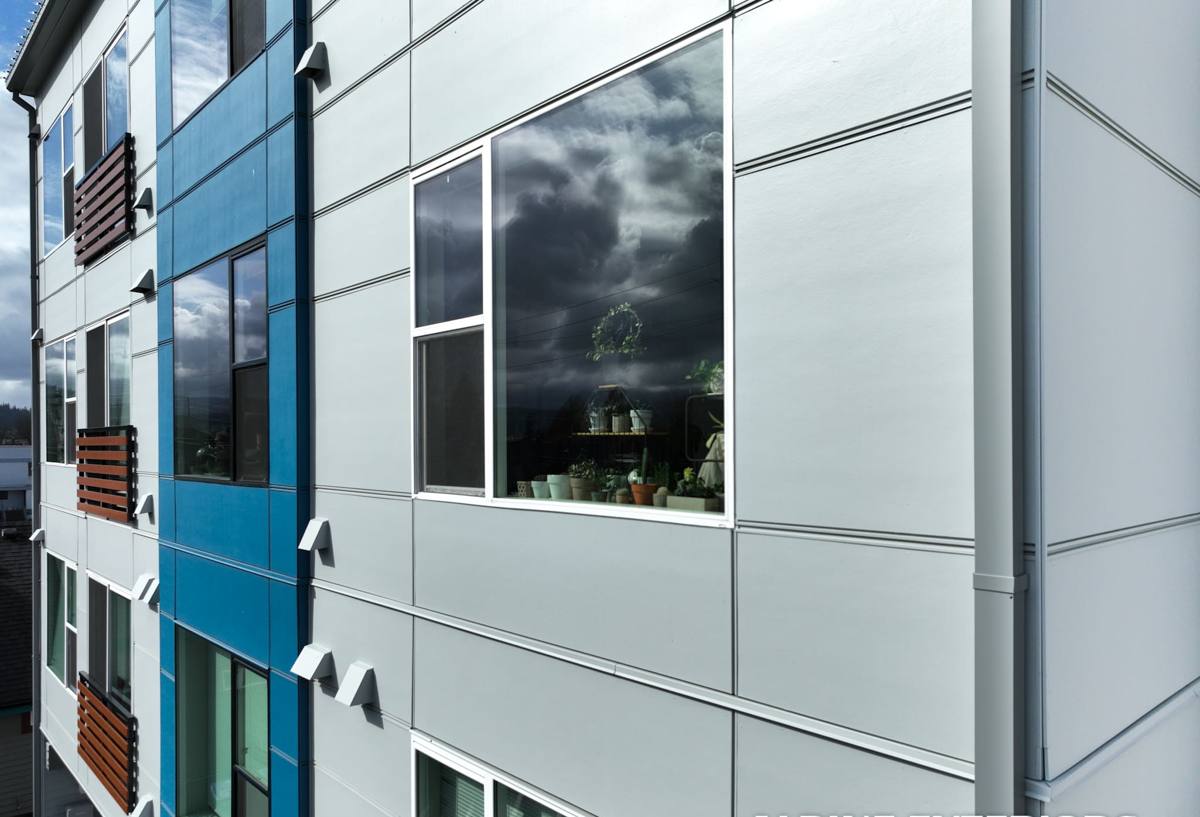
What Ferndale's Climate Does to Windows Over Time
Whatcom County's marine climate isn't dramatic — no hurricanes, no extreme freeze-thaw cycling most winters — but it's relentless. That's actually harder on building materials than the occasional big storm. A few specific things stand out for homes in and around Ferndale:
Wind-Driven Rain
Rain here doesn't just fall straight down. Storms off the water regularly push rain sideways into west- and south-facing walls, which means window installations need real weatherproofing at the flashing and sill, not just a bead of caulk around the trim. A window that would perform fine in a drier inland climate can still leak here if the water-management details weren't done correctly.
Salt Air
Proximity to the Strait means airborne salt settles on siding, trim, and window hardware. Over years, that accelerates corrosion on lower-grade fasteners, hinges, and cheaper aluminum components. It also means caulk and sealants break down a bit faster than they would fifty miles inland, so the quality of the seal at installation matters more, not less.
Long Moss and Mold Season
Cool, damp conditions for much of the year create ideal growing conditions for moss and mildew on anything that stays wet — including window sills, trim boards, and corners where water pools instead of draining. Poor drainage detailing at the window opening is one of the most common reasons we see rot and moss buildup concentrated right at the window, rather than spread evenly across a wall.
None of this means Ferndale is a uniquely brutal place to own a house. It means the installation details that get skipped in a faster, cheaper job are exactly the details that cause problems here — and they tend to show up in three to seven years, not immediately, which is part of why they get skipped in the first place.
Signs Your Current Windows Are Already Losing the Fight
Before jumping into what a correct installation looks like, it helps to know what failure actually looks like from the inside of the house. Homeowners in this area often live with early warning signs for a season or two before calling anyone, mostly because none of them look urgent on their own.
- Condensation building up between the panes of a double-pane window — this means the seal has failed and the insulating gas has escaped
- A musty smell near the window, especially after a stretch of wet weather
- Visible gaps or daylight around the frame when the window is closed
- Paint or trim that's bubbling, soft, or discolored at the bottom corners of the window
- Moss or dark staining collecting on the sill or the siding just below the window
- Noticeably higher heating bills without any other explanation
- Windows that are hard to open, close, or lock — frames can shift as wood swells and shrinks with moisture cycles
Any one of these is worth a look. Several at once, especially soft trim combined with a musty smell, usually means water has already gotten past the exterior seal and into the wall assembly — which is a bigger repair than a window swap alone.
What a Correct Window Installation Actually Involves
A window installation is judged almost entirely on the parts you can't see once the trim goes back on. The window unit itself is usually the easy part. Getting the opening prepared and sealed correctly is where jobs succeed or fail.
Removal and Opening Prep
We remove the old window and inspect the rough opening before anything new goes in. This is the point where hidden rot, soft sheathing, or old water damage gets found — and it needs to get addressed now, not covered up. Installing a new window over a compromised opening just hides the problem behind a fresh frame for a few more years.
Flashing and Sill Pan
This is the single most important step for a wind-driven-rain climate like this one. A sill pan creates a sloped, waterproof pocket at the bottom of the opening so any water that does get past the window has somewhere to go — out, not into the wall. Flashing tape integrates with the house wrap in the correct shingle-lap order (top layer overlapping the one below it) so water is always directed downward and outward, never into a seam.
Setting and Shimming the Window
The window gets shimmed so it's plumb, level, and square in the opening — not just resting against the exterior trim. An out-of-square window puts stress on the frame every time it's opened or closed, and it's a common cause of premature seal failure and hardware wearing out early.
Insulation and Air Sealing
The gap between the window frame and the rough opening gets filled with a low-expansion foam or backer rod and sealant — not packed tight with fiberglass insulation, which doesn't stop air movement or moisture the way it should. This step is where a lot of a home's draftiness either gets fixed or gets baked back in for another 15 years.
Exterior Sealing and Trim
Exterior caulking and trim go back on last, using sealants rated for exterior exposure in a wet marine climate. Cheap caulk is one of the first materials to fail here, so we use products chosen for longevity in this specific environment, not just whatever's cheapest by the tube.
Choosing Windows That Make Sense for This Climate
There's no single "best" window brand or material — the right choice depends on the home, the budget, and how exposed the house is to wind and salt air. Here's how the common frame materials generally compare for a Ferndale-area installation:
| Frame Material | Moisture & Salt Air Resistance | Maintenance | Typical Lifespan |
|---|---|---|---|
| Vinyl | Good — won't rot or corrode | Low — occasional cleaning | 20-30 years |
| Fiberglass | Excellent — very stable in wet, salty air | Low | 30-40+ years |
| Wood (clad exterior) | Good on the exterior face, but interior wood needs protection from condensation | Higher — periodic finish upkeep | Varies with maintenance |
| Aluminum | Fair — prone to corrosion over time in salt air without upgraded coatings | Moderate | 15-25 years near the coast |
For most homes in this area, vinyl or fiberglass frames are the practical choice because they don't corrode and hold up well to repeated wet-dry cycling. Wood-clad windows can still make sense for a specific architectural look, but we'll talk through the maintenance trade-off honestly before you commit to them. We also pay attention to glass package — a Low-E coating and argon or krypton gas fill make a real difference in comfort and energy bills in a climate with as many cold, damp months as this one has.
Our Installation Process, Start to Finish
1. On-Site Assessment
We look at the actual condition of your current windows and openings, not just take measurements. This is where we catch rot, drainage issues, or settling that affects the plan.
2. Straightforward Estimate
You get a written estimate that spells out what's included — removal, disposal, materials, labor, and trim work — so there's no ambiguity about what "installation" covers.
3. Installation Day
Openings are prepped, flashed, and sealed following the same water-management sequence every time, regardless of how many windows are on the job. We don't shortcut flashing details to save time on a busy schedule.
4. Final Walkthrough
Every window gets operated, checked for square, and inspected at the exterior seal before we consider the job done. If something needs adjustment, we handle it before we leave, not on a follow-up visit weeks later.
What Window Installation Costs Depend On
We're not going to quote a number here that doesn't reflect your actual house, but the main factors that move the price up or down are consistent from job to job:
| Factor | Why It Matters |
|---|---|
| Number and size of windows | More openings and larger units mean more material and labor time |
| Frame material chosen | Vinyl is typically the most budget-friendly; fiberglass and wood cost more upfront |
| Condition of the existing opening | Rot or water damage found during removal adds repair work before the new window can go in |
| Glass package | Triple-pane, upgraded Low-E coatings, and specialty glass all add cost |
| Access and story height | Second-story or hard-to-access windows take more time and equipment |
| Trim and finish work | Matching existing trim profiles or repainting after install adds labor |
The honest range for a straightforward, single-window replacement on a typical home runs from a modest per-window cost into the low thousands per window for larger units or premium materials — the estimate is where that gets nailed down for your specific house, not guessed at over the phone.
Why a Crew That Already Works Ferndale Makes a Difference
Window installation isn't exotic work, but doing it right in this specific climate takes attention to details that don't matter as much in a dry inland market. A crew that regularly works Ferndale and the broader Birch Bay area already knows which wall orientations take the worst of the wind-driven rain, what drainage details tend to fail on older Whatcom County homes, and how to sequence flashing so water sheds correctly through an entire wet season, not just in a demo. That's the kind of judgment that comes from doing the work here repeatedly, not from a general contracting background applied to a coastal job for the first time.
It also means we're not guessing about permitting or code expectations for the area, and we're a known, reachable crew if a question comes up after the install rather than a name from an app that did one job and moved on.
Protecting Your Investment After Installation
A correctly installed window is low-maintenance, but "low" isn't "none," especially in this climate. A few habits go a long way toward getting the full lifespan out of the investment:
- Rinse salt residue and grime off frames and glass a couple of times a year, especially on wind-exposed sides of the house
- Keep gutters and downspouts clear so water isn't sheeting down the wall directly above your windows
- Check exterior caulk lines annually for cracking or separation, and have gaps resealed before they let water in
- Wipe down sills after heavy rain if you notice water pooling instead of draining
- Address any moss or mildew on trim promptly rather than letting it sit against the wood or vinyl
If you're weighing whether it's time to replace aging windows or want a straight answer on what a correct installation should look like for your specific home, we're happy to come take a look. The estimate is free, there's no pressure attached to it, and you'll get a clear explanation of what we find — use the form below to get started.