 Birch Bay Exterior
 Deck Repair Built for Custer's Conditions
Custer sits close enough to Birch Bay and the Strait of Georgia that decks here take a different kind of beating than decks twenty miles inland. Salt-laden air moves through on the prevailing wind, driving rain comes in sideways off the water for days at a stretch in the fall and winter, and the tree cover and damp shade common around Custer properties keep moss and algae going nearly year-round. None of that is exotic — it's just Whatcom County weather — but it adds up on a deck faster than most homeowners expect. We've worked enough decks in this immediate area to know which failure points show up first and why, and this page is about that one job: repairing decks for homes in and around Custer.
A deck repair here isn't the same scope as a deck repair in a dry inland climate. The fasteners, the flashing details, the wood movement, and the moss management all need to account for what this specific stretch of coastline does to a structure over years of exposure.
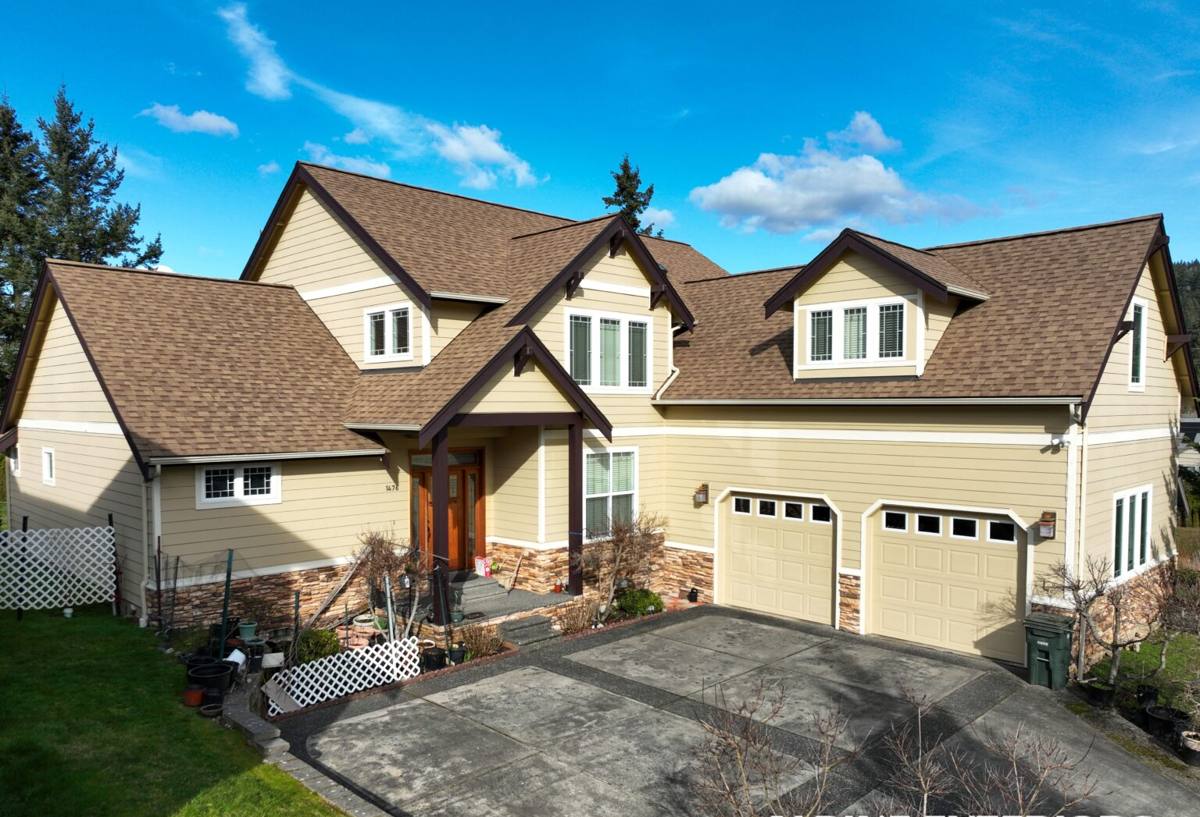
What Custer's Climate Does to a Deck Over Time
Salt Air and Metal Fasteners
Airborne salt doesn't just affect homes right on the water. It travels with the wind and settles on any exposed surface, including deck hardware set back from the shoreline. Over years, standard fasteners and connectors corrode faster than they would inland — screw heads shear off during repairs, joist hangers get chalky and weak, and bolts seize up. When we open a deck for repair and find corroded hardware, that's almost always the salt air talking, not a defect in the original build.
Driving Rain and Water Intrusion
Rain that comes in at an angle finds its way into places vertical rain never would — under railing caps, behind fascia boards, into the ledger connection where the deck meets the house. That ledger connection is one of the most important structural points on any deck, and it's also one of the most common places we find hidden rot, because water gets behind the flashing (or the flashing was never installed correctly) and soaks the framing from behind where nobody sees it until the deck starts to feel soft or spongy.
Moss, Algae, and a Long Wet Season
Whatcom County's moss season runs long, and shaded lots around Custer with mature trees make it worse. Moss and algae hold moisture against decking boards, block the wood from drying out between rain events, and make the surface slick and dangerous underfoot. Left alone, that constant dampness accelerates wood decay and can void the warranty on some composite decking products, which usually require a certain level of routine cleaning to stay covered.
Common Deck Problems We Find in This Area
- Soft, spongy, or spring-feeling decking boards, especially near the house or in shaded corners
- Rot at the ledger board where the deck attaches to the house
- Corroded or failing joist hangers, screws, and bolts
- Loose or wobbly railings and posts, often from moisture-softened post bases
- Moss and algae buildup that's made the surface slippery
- Gaps opening between boards from wood shrinking and swelling with the seasons
- Stair stringers and treads showing rot before the rest of the deck does
- Fascia and skirting boards with hidden water damage behind them
What a Correct Deck Repair Actually Involves
Diagnosis Before Demolition
The first step isn't swapping boards — it's figuring out how far the damage actually goes. A board that looks fine on top can be sitting on a joist that's rotted through underneath. We probe suspect areas, check the ledger connection, and look at the framing before we quote a scope of work, because a repair that only addresses the visible surface tends to fail again within a season or two.
Framing and Structure First
Anything structural — joists, beams, posts, the ledger connection — gets fixed or sistered before we touch the surface decking. This is also where we check that flashing at the ledger is doing its job, since that single detail is responsible for a large share of the hidden rot we find on repair calls in this area.
Matching Materials the Right Way
Whether the deck is wood or composite, repairs need to match the existing structure in load capacity, not just appearance. Mixing fastener types or using undersized hardware to patch a repair is a shortcut that shows up again in a few years as the same problem. We use fasteners and connectors rated for coastal exposure, not standard interior-grade hardware, because standard hardware is exactly what corrodes first out here.
Railings and Fall-Protection Components
Railings take abuse from both weather and use, and a wobbly rail is a safety issue, not just a cosmetic one. Post bases are a frequent failure point because they sit closest to standing water and debris. We rebuild these to current fastening standards rather than just tightening what's loose.
Finish and Protection
Once structural and surface repairs are done, wood decking generally needs a sealant or stain suited to marine-influenced climates, reapplied on a schedule rather than left to weather bare. Composite repairs don't need finishing but do need proper board spacing and drainage so water isn't trapped between boards where moss can take hold.
Our Process for a Custer Deck Repair
- On-site assessment: We walk the full deck, check the ledger, probe suspect boards and framing, and look at drainage and moss patterns specific to the lot.
- Written scope and honest options: You get a clear explanation of what's structural versus cosmetic, and what happens if a given repair is deferred.
- Repair, not just replacement: We fix what can be fixed and replace only what's actually failed — we don't upsell a full rebuild when a targeted repair will hold.
- Hardware upgrade where needed: Corroded fasteners get swapped for coastal-rated hardware even if that wasn't the original complaint, since leaving them in place just means another repair call later.
- Cleanup and walkthrough: We show you what was fixed and flag anything worth watching, like a section of decking that's aging but not yet urgent.
Repair vs. Replacement: How We Make the Call
| Factor | Leans Toward Repair | Leans Toward Replacement |
|---|---|---|
| Ledger and framing condition | Solid, only surface boards affected | Rot found in joists, beams, or ledger |
| Extent of damage | Isolated boards or a single section | Widespread rot or corrosion across the deck |
| Deck age | Under 15-20 years, otherwise sound | Original structure near end of service life |
| Railing condition | Tight, just needs hardware or a board swap | Posts soft or pulling away from the frame |
| Cost of repair vs. rebuild | Repair clearly cheaper and durable | Repeated repairs cost approaching a rebuild |
We'll tell you honestly which side of that line your deck falls on. A repair that's cheaper today but won't hold two winters isn't a good use of your money, and we'd rather say that upfront than sell a patch we don't believe in.
Maintenance That Extends the Repair
A repair is only as good as the maintenance that follows it. For decks in the Custer and Birch Bay area, that means staying ahead of moss rather than reacting to it, and keeping an eye on the spots that failed once — they're often the spots most exposed to wind-driven rain or shade, and those conditions don't change after a repair.
- Sweep debris and standing moss off the deck surface regularly through fall and winter
- Keep gutters and downspouts clear so runoff isn't dumping extra water onto or near the deck
- Check the ledger flashing area annually for gaps, caulking failure, or staining
- Re-seal or re-stain wood decking on the schedule the product calls for, not just when it looks faded
- Trim back overhanging branches that keep sections of the deck shaded and slow to dry
- Tighten or inspect railing hardware once a year, especially after a hard winter
Why a Crew That Already Works This Area Matters
Deck repair looks straightforward from a distance, but the failure patterns around Custer are specific to this stretch of Whatcom County — the salt exposure, the rain angle, the moss season length. A crew that mainly works drier inland jobs can miss the ledger flashing detail that matters most here, or under-spec hardware that looks fine on day one and corrodes within a couple of seasons. Working this area regularly means we're not guessing at what the coastal climate does to a deck — we're seeing it repeatedly and building repairs that account for it.
Get a Straight Answer on Your Deck
If your deck has soft spots, a wobbly rail, or moss that won't quit, it's worth having someone look before winter rain makes the damage worse. We offer free, no-pressure estimates for homeowners in Custer and the surrounding Birch Bay area — use the form below and we'll take a look and give you an honest read on what it needs.