 Birch Bay Exterior
 Bellingham's Climate Is Harder on Siding Than Most Homeowners Realize
Bellingham sits in a stretch of Whatcom County where marine weather off the Strait of Georgia and Bellingham Bay meets steady winter rain and long stretches of overcast, damp air. That combination is exactly what wears siding down: moisture that never fully dries out between storms, salt-laden air drifting in from the water, and shaded north- and west-facing walls that stay wet long enough to grow moss and algae. None of this is dramatic on its own, but it adds up year after year, and it's why siding that performs fine in a drier climate can fail early here.
We're based out of Birch Bay and work Bellingham regularly, so we see the same failure patterns on repeat: caulk joints that gave out years before they should have, paint that's chalking and peeling on the weather side of the house, and moss lines creeping up from the bottom courses where splash-back keeps the material damp. Understanding why that happens is the first step in choosing a replacement that actually holds up.
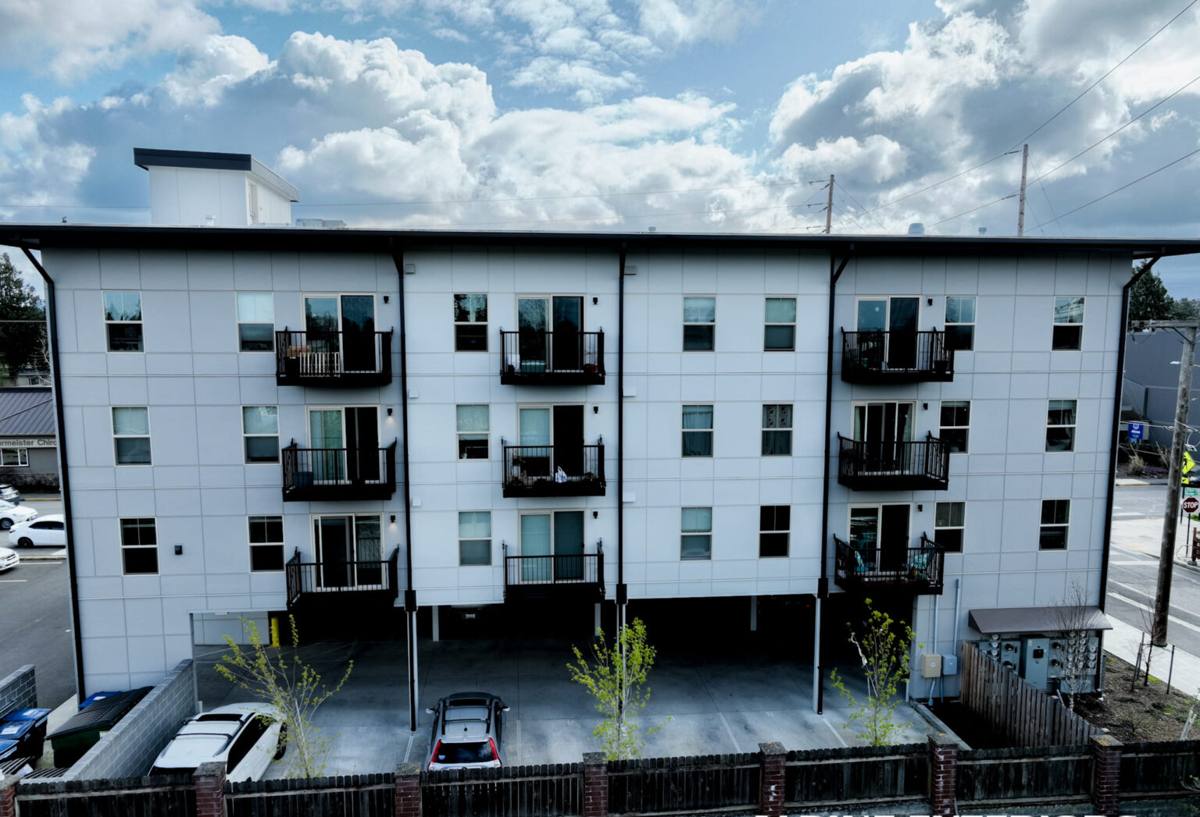
Signs a Bellingham Home Needs Replacement, Not Just Repair
Not every siding problem calls for a full tear-off. But there's a point where patching stops making sense — where the underlying material or house wrap has been compromised and every repair is just buying a little more time before the next one. Here's what tips a project from "repair" into "replace" on the homes we look at around Bellingham:
- Soft or spongy spots when you press on the siding, especially near the bottom courses or below windows
- Visible warping, bubbling, or delamination on the wall faces that get the most rain and wind
- Moss or algae staining that returns within a season or two of cleaning
- Cracked or missing caulk at butt joints and trim, with water staining underneath
- Paint that's failing across large sections rather than one or two boards
- Visible rot at corner boards, window trim, or anywhere siding meets a roofline or deck
- An interior wall or ceiling near an exterior wall showing a musty smell or a soft spot
If you're only seeing one or two of these in an isolated spot, a repair may still be reasonable. If you're seeing several at once, or the siding is original to a home built more than 25-30 years ago, it's worth having someone look at the whole envelope rather than chasing individual spots.
What a Correct Siding Replacement Actually Involves
Siding replacement isn't just pulling old boards off and nailing new ones up. In a climate like Bellingham's, what happens underneath the new siding matters as much as the siding itself. A job done right includes:
Full Tear-Off and Substrate Inspection
Once the old siding is off, we can actually see the sheathing underneath — this is where hidden rot, soft OSB, or long-term moisture damage shows up. Any compromised sheathing gets addressed before anything new goes on. Covering over a wet or rotted substrate is one of the most common shortcuts that leads to a repeat failure five or ten years later.
Weather-Resistive Barrier and Flashing
A correctly installed weather barrier and properly integrated flashing around every window, door, and penetration is what actually keeps bulk water out of the wall assembly. Siding sheds most of the water, but the barrier and flashing behind it are the real defense against the driving, wind-blown rain that's common here. This is also where a lot of lower-bid jobs cut corners, because it's invisible once the siding goes back on.
Manufacturer-Spec Installation
Fastener type and placement, gaps at joints and trim, clearance off the ground and roofline, and factory-finish touch-up all have to follow the manufacturer's installation instructions to keep the warranty valid — and, more importantly, to keep the assembly performing the way it's designed to.
Why We Install Only James Hardie Fiber Cement
We don't install vinyl, LP SmartSide, Cemplank, Allura, or primed wood siding — not because those products have no legitimate use, but because after years of doing this work in Whatcom County's climate, James Hardie fiber cement is the only product we're willing to put our name behind. It's non-combustible, it's engineered specifically for wet Pacific Northwest weather in its HZ5 product line, and the ColorPlus factory finish holds color and resists the chalking and peeling we see on field-painted siding within a few years of installation. Hardie also backs the product with a strong, transferable warranty that reflects real confidence in how it performs long-term.
That's a narrower lineup than a lot of siding companies offer. We think that's the right trade-off — one product, installed correctly, every time, rather than a menu of options where the cheaper ones are more likely to bring you back to this same decision in ten years.
How Hardie Compares on the Factors That Matter Here
| Factor | James Hardie Fiber Cement | Vinyl Siding | Primed Wood / LP SmartSide |
|---|---|---|---|
| Moisture behavior | Engineered for wet climates; won't rot or swell | Doesn't absorb water, but can trap moisture behind it if installed tight | Vulnerable to swelling and rot if the finish fails |
| Salt air / coastal exposure | Non-organic, holds up well near the water | Can become brittle and discolor over time | Finish breaks down faster with salt exposure |
| Moss and algae resistance | Factory finish resists staining; cleans up well | Prone to green staining in shaded, damp areas | Absorbs moisture, which feeds moss growth |
| Fire resistance | Non-combustible | Melts and can contribute to fire spread | Combustible |
| Finish longevity | Factory ColorPlus finish, long color-hold warranty | Color baked into material but can fade unevenly | Field-applied paint needs repainting every several years |
| Typical lifespan installed to spec | Multiple decades | 20-30 years, often less in harsh exposure | Highly dependent on maintenance and finish upkeep |
What Drives the Cost of a Bellingham Siding Replacement
Every home is different, so we don't quote firm numbers without walking the property, but a few factors consistently move the price up or down on the jobs we bid around Bellingham and Birch Bay:
| Factor | Why It Matters |
|---|---|
| Home size and number of stories | More wall area and taller walls mean more material, labor, and staging/lift needs |
| Condition of the existing sheathing | Rot found during tear-off adds repair work before new siding can go on |
| Trim and architectural detail | Corners, window casings, and multiple roof intersections take more time to flash and finish correctly |
| Siding profile and color | Lap width and custom or specialty ColorPlus colors can shift material cost |
| Access and site conditions | Tight lots, slopes, or landscaping close to the house affect staging and cleanup time |
How the Process Works, Start to Finish
- Walk-through and estimate — we inspect the existing siding, look for signs of moisture damage, and talk through what your home actually needs.
- Written scope and product selection — Hardie plank profile, color, and trim details are chosen and documented before work starts.
- Permitting — depending on scope, Whatcom County or local permitting requirements are handled before tear-off begins.
- Tear-off and substrate check — old siding comes off, sheathing is inspected, and any rot is repaired before moving forward.
- Weather barrier and flashing install — this is the step that determines how the wall assembly performs for the next several decades.
- Hardie installation to manufacturer spec — proper fastening, gapping, and trim detail, with factory-finish touch-up where needed.
- Final walkthrough — we go over the finished work with you before calling the job done.
Timing a Project Around Local Weather
Bellingham's wettest months make certain phases of a siding job — especially open sheathing during tear-off — riskier to schedule. We plan around drier weather windows where possible and don't leave a house exposed longer than necessary once tear-off starts. If a project has to proceed during a wetter stretch of the year, we sequence the work and use temporary protection to keep the substrate dry until the new siding and barrier are in place.
Living with Hardie Siding in a Marine Climate
Fiber cement doesn't eliminate maintenance entirely, but it changes what that maintenance looks like. In Bellingham's moss season, an occasional gentle rinse on shaded or north-facing walls keeps algae and moss from taking hold — the factory finish makes this easier than it is on field-painted wood. Caulking at trim joints should still be checked periodically, and any impact damage is worth addressing promptly so the finish stays sealed. Compared to repainting a wood-sided home every several years, it's a meaningfully lighter maintenance load over the life of the siding.
Why a Crew That Already Works Bellingham Matters
Siding work in this part of Whatcom County isn't quite the same as siding work in a drier inland climate. A crew that installs here regularly already knows how to sequence a job around the rain, how to flash details so wind-driven water doesn't find a way in, and what parts of a wall typically show moss and moisture problems first. Being based in Birch Bay means we're not driving in from out of the area for a service call, a warranty question, or a follow-up — we're already working in Bellingham on a regular basis.
If your siding is showing its age, or you just want an honest look at whether repair or replacement makes more sense for your home, we're happy to walk through it with you. Reach out for a free, no-pressure estimate — there's a form below to get started.