 Birch Bay Exterior
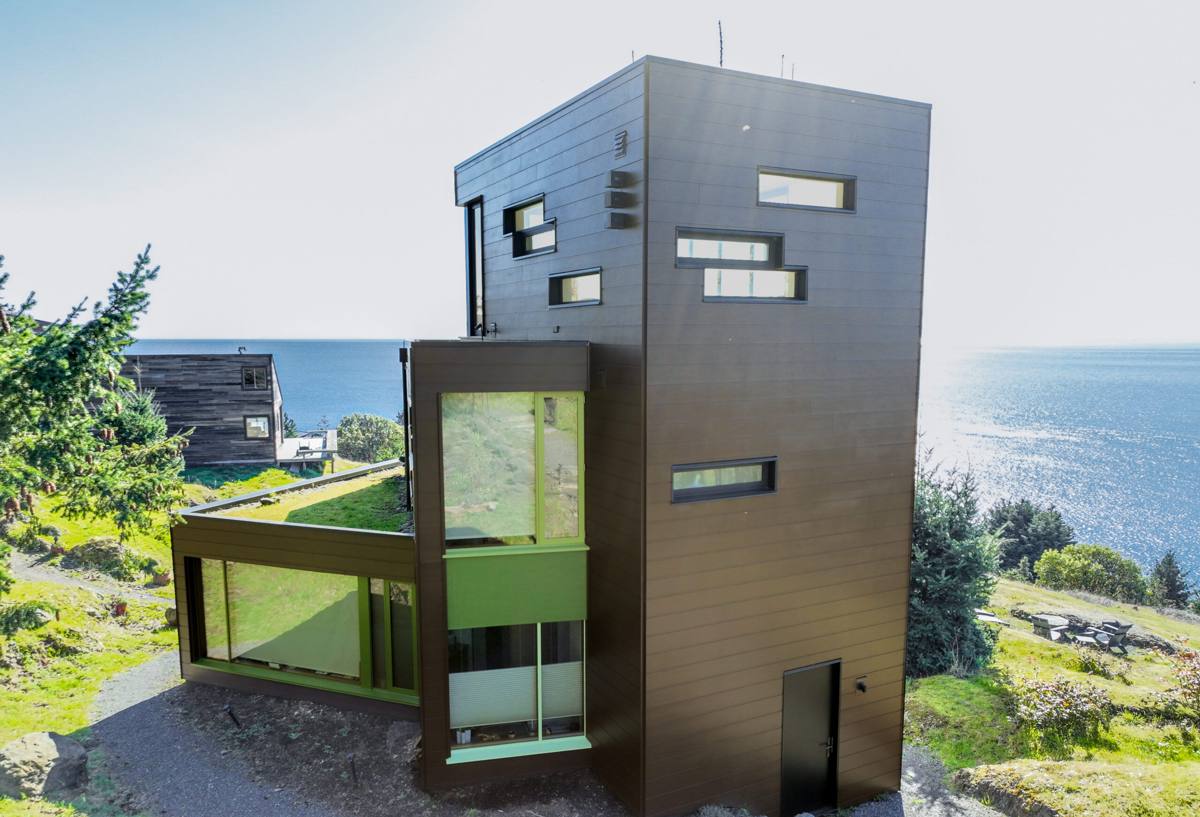
 Point Whitehorn sits on the bluffs just up the coast from Birch Bay, and the windows on homes out here take a harder beating than most people expect. Salt-laden air off the water, wind-driven rain that comes in sideways instead of straight down, and a moss and mildew season that can run most of the year on shaded, north-facing walls all work against a window's performance — and against its energy efficiency specifically. The same gaps that let a draft in also let conditioned air out, no matter how good the glass itself is rated.
We treat energy-efficient window work in Point Whitehorn as its own category, not a generic glass swap. Frame material, glazing package, flashing detail, and air-sealing all have to be chosen and installed with this exposure in mind, or the savings promised on the label never show up on the utility bill.
Why Efficiency Means Something Different on This Stretch of Coast
A window's efficiency rating is tested in a controlled lab, not on a bluff catching wind straight off the water in Whatcom County. Two windows with identical U-Factor and solar heat gain numbers can perform very differently once installed a few hundred feet from saltwater, because the rating measures the glass-and-frame assembly, not how well it was sealed into the wall. On a calmer, more sheltered lot, a mediocre seal might go unnoticed for years. On an exposed Point Whitehorn property, that same hairline gap becomes a spot where wind pushes air straight past the frame, undercutting the insulation value the homeowner paid for.
That's the gap between an energy-efficient window and an energy-efficient installation. Both matter everywhere. Out here, the installation side carries more of the weight.
What Actually Makes a Window Energy-Efficient
Glazing and Gas Fills
Modern efficient windows are almost always double- or triple-pane, with a low-emissivity (low-E) coating that reflects heat back into the room in winter and blocks solar heat in summer, and an inert gas fill — usually argon, sometimes krypton in triple-pane units — sealed between the panes to slow heat transfer. The coating and gas fill do most of the practical work; the number of panes matters less than whether the seal holding that gas in place actually holds up over time.
Frame Material and Thermal Performance
Frame material affects both thermal performance and how the window ages in this environment. Aluminum conducts heat and cold efficiently, which makes it a poor choice for energy efficiency unless it has a thermal break. Vinyl and fiberglass insulate better and don't corrode in salt air, which is a real consideration this close to the water. Wood insulates well too but needs consistent maintenance to keep moisture out, and a long moss season doesn't make that easier.
Weatherstripping and Air Sealing
The compression seals and weatherstripping around the sash are what actually stop air movement day to day, and they're also the first thing to fail under sustained salt exposure if the hardware isn't rated for it. We look for corrosion-resistant hardware and seal designs built for coastal use rather than the standard inland spec, because standard hardware tends to show its age early out here.
The Local Climate Factor: Salt Air, Driving Rain, and a Long Moss Season
Being this close to the water changes what a window has to tolerate, not just what it has to look like. Salt-laden air accelerates corrosion on fasteners, balances, and lower-grade hardware faster than it would a few miles inland. Storms push rain sideways into wall assemblies and window flashing instead of letting gravity carry it away, so water finds any gap that a calmer climate would never test. And the shade and dampness common on north- and west-facing walls in this area support a moss and mildew season that can run for most of the year, holding moisture against sills, trim, and lower frame corners longer than a drier wall would ever experience.
Where the Energy Actually Leaks Out
Center-of-glass performance is rarely the problem on a reasonably modern window. Heat and cold move through the perimeter — the meeting rail where the sashes overlap, the corners where the frame is joined, and the sill where water and wind both concentrate. Those are the same spots most vulnerable to the corrosion and moisture pressure this climate creates, which means an efficiency problem and a moisture problem in Point Whitehorn are often the same problem showing up two different ways.
Signs a Point Whitehorn Home Is Losing Energy Through Its Windows
- Noticeable drafts near the frame or sash, even with the window fully latched
- Fogging or a milky haze between the panes — a sign the seal holding the gas fill has failed
- Cold spots on interior walls or floors near windows that weren't there a few years ago
- Rising heating costs without a clear explanation elsewhere in the house
- Moss or dark staining creeping onto the sill, trim, or lower frame corners
- Windows that are harder to open, close, or latch than they used to be — often a sign the frame has swelled or shifted
- Visible gaps, cracked caulk, or soft trim around the window perimeter
What a Correct Installation Involves
Assessment
We start by checking the actual condition of the opening — the framing, the existing flashing, and whether moisture has already gotten in behind the old window. On homes in this area, that last check matters more than it would somewhere drier, since a wall that looks fine from inside can still have a compromised flashing layer behind it.
Removal and Flashing
Once the old unit is out, we address the flashing before anything new goes in. This is the step that decides whether a new, efficient window actually stays dry and performs the way it's rated to. A new window installed over old, failed flashing will eventually show the same problems the old one had, regardless of how good the glass is.
Sealing and Insulation
The gap between the window frame and the rough opening gets sealed and insulated correctly — not just caulked over on the outside. A poorly insulated gap around an otherwise efficient window undercuts a meaningful share of its rated performance.
Trim and Finish
Exterior trim gets integrated to shed water away from the window rather than trap it, which matters directly during a long moss season when anything holding moisture against wood trim becomes an ongoing maintenance problem instead of a one-time fix.
Efficiency Ratings and What They Mean in This Climate
| Rating | What It Measures | Why It Matters in Point Whitehorn |
|---|---|---|
| U-Factor | How well the window resists heat transfer (lower is better) | Directly affects heating costs through a wet, windy Whatcom County winter |
| Solar Heat Gain Coefficient (SHGC) | How much solar heat passes through the glass | Matters most on sun-exposed elevations; less critical on shaded, moss-prone north walls |
| Air Leakage (AL) | How much air passes through the assembly under pressure | Wind off the water tests this rating more than a sheltered inland site would |
| Condensation Resistance (CR) | How well the window resists interior condensation | Relevant given the humidity and temperature swings common near the shoreline |
These ratings describe the window as manufactured — they say nothing about the installation. A high-performing window installed with a weak seal or bad flashing will underperform its own label, which is why we talk through both the product and the install plan before recommending anything.
Our Process, Start to Finish
- On-site assessment — we check the existing opening, flashing condition, and any signs of moisture or hardware corrosion
- Honest recommendation — frame material, glazing package, and installation approach explained with the reasoning behind each choice
- Ordering — a realistic timeline based on the units selected, since some efficiency packages take longer to arrive than basic stock windows
- Removal and prep — the old unit comes out carefully, with any hidden flashing or framing issues addressed before the new window goes in
- Installation and flashing — the new window is set, shimmed, sealed, and flashed to handle wind-driven rain, not just typical weather
- Trim and finish — exterior trim is completed to shed water and match the surrounding siding
- Walkthrough — we confirm proper operation and go over basic care specific to a salt-air, high-moss environment
Cost Factors: What Actually Moves the Price
| Factor | Lower Cost | Higher Cost |
|---|---|---|
| Frame material | Standard vinyl | Fiberglass or wood-clad with upgraded coastal hardware |
| Glazing package | Standard double-pane, low-E | Triple-pane or upgraded coatings for sun-heavy elevations |
| Opening condition | Sound framing, minimal repair needed | Existing moisture damage or flashing failure requiring repair first |
| Window count and size | Fewer, standard-size units | Larger openings or a full-home replacement |
| Access and site conditions | Ground-level, straightforward access | Upper stories or bluff-edge access requiring extra setup |
We won't quote a number without seeing the opening in person, but a walkthrough will cover which of these factors apply to your home and why, so you're pricing an actual plan rather than a rough estimate.
Why a Local Point Whitehorn Crew Matters
Manufacturer installation guidance is written for average conditions in a moderate climate — it isn't written for a bluff catching wind-driven rain off the water or a wall that stays shaded and damp most of the year. A crew that has actually installed and flashed windows on this specific stretch of coast knows which parts of that guidance are non-negotiable here, and where extra time on flashing, sealant, or hardware selection is worth it even when it wouldn't be required a few miles inland.
That experience shows up in decisions that don't come up in a sales pitch — how much lap a flashing course needs given the wind exposure, which hardware grades actually hold up to salt air over years rather than months, and how to detail a sill so moss and standing moisture don't undo the seal within a few seasons. Those details are what decide whether an energy-efficient window is still performing the way it was rated five or ten years after installation.
What to Ask Before Hiring for Window Work in This Area
- Ask how they handle flashing on a wind- and rain-exposed opening, not just a standard install
- Ask what hardware and fastener grades they use given the salt air here
- Confirm current Washington contractor licensing and insurance
- Get a written scope of work, including what happens if hidden moisture damage is found
- Ask how the window manufacturer's warranty and the installation labor warranty are each structured
If your Point Whitehorn home has drafty, fogging, or aging windows — or you're planning ahead before the next wet season sets in — it's worth having someone look at the actual openings before you start pricing units. We offer free, no-pressure estimates for energy-efficient window projects in Point Whitehorn and the surrounding Birch Bay area; use the form below to get a time on the schedule.