 Birch Bay Exterior
 Window Installation in Sumas
Sumas sits in a part of Whatcom County where weather doesn't let up for long. Between the marine layer rolling off the Salish Sea, stretches of driving rain through fall and winter, and a moss season that seems to start earlier every year, windows here take a beating that homes further inland or further south just don't see. Birch Bay Exterior Co installs replacement and new-construction windows for homeowners in Sumas and across the surrounding area, and we build every job around what actually holds up in this climate — not just what looks good on a showroom wall.
This page covers what window installation looks like specifically for Sumas homes: what the local climate does to windows over time, what a correct installation actually involves, how we approach the work, and what to think about before you hire anyone for the job.
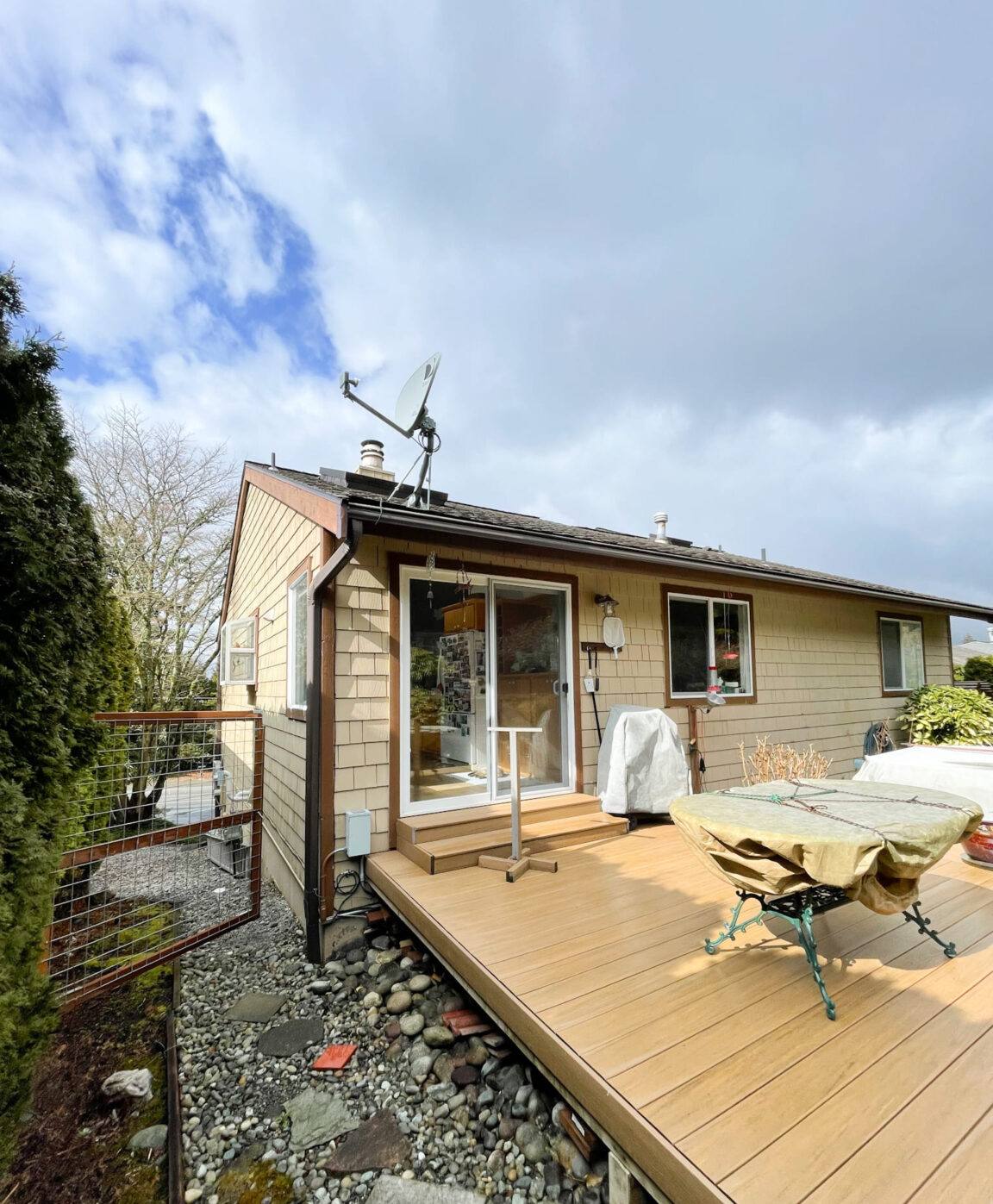
What Salt Air, Rain, and Moss Season Do to Windows
Older or poorly installed windows in this region tend to fail in a handful of predictable ways, and almost all of it traces back to moisture management, not the glass itself.
Moisture intrusion at the frame
Driving rain doesn't fall straight down here — wind pushes it sideways into window openings, especially on exposed walls. If flashing was skipped, installed out of sequence, or has simply degraded over the years, water works its way behind the trim and into the wall cavity. You often won't see it until there's staining, soft drywall, or a musty smell nearby — by then the damage is already inside the wall, not just at the window.
Salt-influenced corrosion
Proximity to the coast means airborne salt settles on exterior surfaces over time. It's harder on metal hardware — hinges, locks, balance mechanisms, and lesser-quality cladding — than it is on the glass. Once corrosion starts on a window's moving parts, the window gets harder to open, harder to lock securely, and eventually needs replacing well before the glass itself would have failed.
Moss, mildew, and constant damp
Extended damp periods keep humidity high around window openings for weeks at a time. Wood components that aren't properly sealed or maintained can start to soften. Moss and mildew take hold in any spot that stays shaded and wet, including window sills and the base of frames, and once established they hold moisture against the material instead of letting it dry.
Condensation and seal failure
Cool, wet air outside against a heated home inside is a recipe for condensation. On older single-pane or early double-pane windows, you'll see this as fogging between the panes — a sign the seal has failed and the insulating gas (or air) has been replaced by moisture. It's not repairable; at that point the insulated glass unit needs replacing.
Signs a Sumas Home Needs New Windows
- Fogging or a visible film between panes of double-pane glass — the seal has failed
- Windows that are hard to open, close, or lock, especially after a few damp months
- Visible gaps, soft or discolored trim, or paint that keeps bubbling near the window frame
- Noticeable draft or cold spot near a closed window on a windy day
- Rising heating bills without a clear cause elsewhere in the home
- Condensation forming on the inside of the glass regularly, even in normal humidity
- Wood sills that feel soft, spongy, or show early rot at the corners
Any one of these on its own isn't necessarily an emergency, but a home with several of them is usually past the point where caulk and weatherstripping will fix the underlying problem.
What a Correct Window Installation Actually Involves
The window product matters, but in this climate the installation determines whether that window lasts 25 years or leaks within five. A correct job includes:
Proper removal and opening prep
Old windows come out cleanly, and the rough opening gets inspected for hidden rot or damage before anything new goes in. If we find soft framing or water damage behind the old window, we address it before installing — covering it up just moves the problem down the road.
Flashing and weather barrier integration
This is the step that separates a durable install from one that fails quietly over a few winters. Flashing tape and the window's flanges need to integrate with the home's existing weather-resistant barrier in the correct shingled order — bottom, sides, then top — so water is always directed outward and down, never trapped behind the siding.
Air sealing and insulation
The gap between the window frame and the rough opening gets sealed with the right materials — not stuffed with excess spray foam, which can bow the frame and affect operation, but sealed evenly to stop air infiltration while leaving the window square and functional.
Level, plumb, and square set
A window that's out of square will bind, won't seal against its own weatherstripping properly, and puts uneven stress on the frame. It also tends to develop hardware problems faster, which matters more here given how salt air already stresses moving parts.
Interior and exterior trim finishing
Trim gets caulked and sealed at every joint where water could otherwise find a path in, and finished to match the surrounding siding or interior casing.
Choosing a Window for This Climate
Frame material affects how a window holds up to years of coastal moisture and temperature swings. Here's how the common options compare for a Sumas-area home:
| Frame Material | Moisture Resistance | Maintenance | Typical Lifespan Here |
|---|---|---|---|
| Vinyl | Good — won't rot, doesn't corrode | Low — occasional cleaning | 20–30 years |
| Fiberglass | Very good — dimensionally stable in temperature swings | Low | 30+ years |
| Wood (unclad) | Poor without diligent upkeep — vulnerable to rot and moss growth | High — repainting/resealing on a regular cycle | Varies widely with maintenance |
| Wood-clad (aluminum or vinyl exterior) | Good on the exterior face; interior wood still needs normal care | Moderate | 20–30 years |
| Aluminum | Fair — can corrode over time in salt air unless properly coated | Low to moderate | 15–25 years, shorter near the coast without coating upkeep |
We don't push a single brand or material on every homeowner — the right choice depends on your home's exposure, your budget, and how much upkeep you want to take on. What we do insist on is proper installation regardless of which product you choose, because even the best window fails early if it's flashed or sealed wrong.
Our Installation Process
- On-site assessment — we look at existing windows, framing condition, and any signs of past moisture issues before quoting anything.
- Product selection — we walk through frame material, glass package, and style options suited to your home and budget, with honest trade-offs explained.
- Written estimate — a clear scope and price before any work starts, no surprise add-ons.
- Removal and opening inspection — old windows come out, and we check the framing before installing anything new.
- Installation — proper flashing sequence, air sealing, and a level, square set for every window.
- Finish work and cleanup — trim, caulking, and a final walkthrough so you know exactly what was done.
What Affects the Cost
| Factor | Why It Matters |
|---|---|
| Number of windows | Per-window costs typically drop with larger multi-window projects |
| Frame material | Vinyl is generally the most budget-friendly; fiberglass and wood-clad cost more upfront |
| Glass package | Low-E coatings and gas-filled double or triple panes add cost but improve performance in our climate |
| Opening condition | Rot or framing repair discovered during removal adds labor and material cost |
| Access and window size | Second-story, oversized, or hard-to-access windows take more labor |
| Trim and finish scope | Full interior and exterior trim replacement costs more than reusing sound existing trim |
We won't quote a number without seeing the job, since the condition behind an old window can change the scope significantly. What we can tell you is that we price the work honestly and explain any changes before we make them, not after.
Why Hiring a Crew That Works This Area Matters
A window installer who mainly works drier inland climates can still do competent work, but they may not default to the flashing detail, sealing approach, or product recommendations that hold up against sustained coastal rain and salt exposure. A crew that regularly works Whatcom County's coastal and near-coastal communities has already seen what fails here and builds around it as a matter of habit, not an afterthought.
We also stand behind the installation itself, not just the manufacturer's product warranty. If a window we installed has a problem traceable to our work, that's on us to make right.
Simple maintenance checklist for after installation
- Wipe down frames and sills a few times a year to clear salt residue and debris
- Keep weep holes (drainage openings on the exterior sill) clear of dirt and moss
- Re-caulk exterior trim joints if you notice cracking or gaps developing
- Operate locks and hardware periodically through the winter to keep mechanisms from seizing
- Watch for early signs of moss buildup on sills and clean it off before it spreads
If your Sumas home has windows that are drafty, hard to operate, fogged, or just old enough that you're wondering whether it's time, we're glad to take a look. Reach out for a free, no-pressure estimate using the form below — we'll assess the actual condition of your windows and framing and give you a straight answer on what's needed.