 Birch Bay Exterior
 Windows Built for Whatcom County Weather, Installed by a Crew That Works Sumas
Sumas sits in a part of Whatcom County that puts real demands on a house. Long stretches of driving rain, salt-laden air moving in off the water, and a moss season that seems to run longer every year all work on the weak points of a home — and window openings are one of the biggest weak points there is. A window that isn't sealed, flashed, and installed correctly doesn't just waste energy. It lets moisture into your wall cavity, and moisture problems in this climate don't fix themselves.
Birch Bay Exterior Co installs energy-efficient windows for homeowners in Sumas and the surrounding area. This page covers what actually matters for a window job done right here — not generic advice, but what we've found holds up (and what fails) in this specific climate.
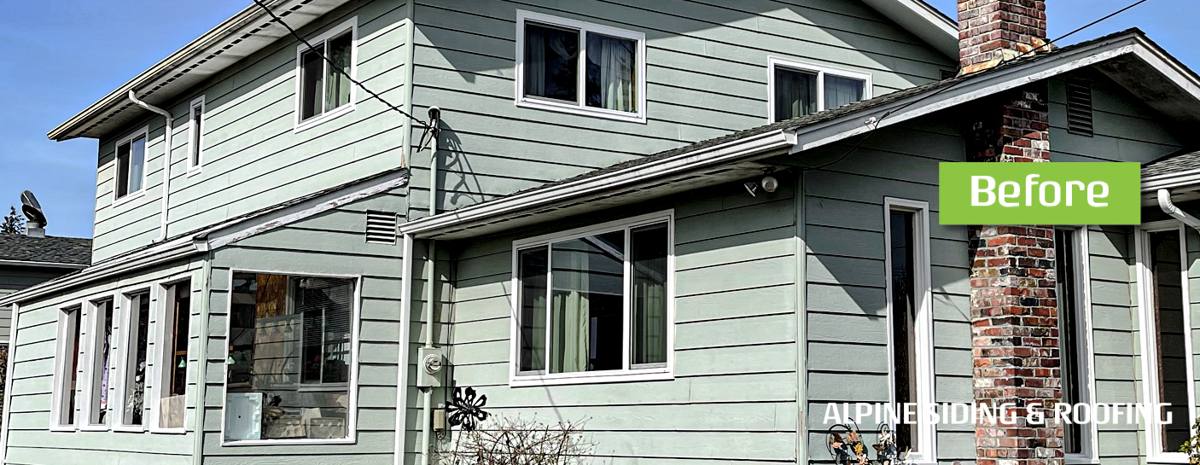
What This Climate Does to Windows Over Time
Every region has its own set of stresses on a building envelope. In and around Sumas, the pattern we see most often is:
- Wind-driven rain that pushes water sideways into gaps most homeowners assume are watertight, especially during fall and winter storm cycles.
- Persistent damp air for long stretches of the year, which keeps wood trim, caulk lines, and old weatherstripping under constant moisture load.
- Moss and algae growth on north-facing and shaded elevations, which holds moisture against siding and trim near the window frame far longer than a dry surface would.
- Temperature swings between damp winters and warmer summer days that expand and contract frame materials, stressing old seals and glazing.
None of that is dramatic on its own. It's the cumulative effect — years of a window opening staying slightly damp — that eventually shows up as soft trim, fogged glass, or a heating bill that doesn't match how new the house looks.
Signs Your Current Windows Are Losing You Money
Homeowners usually call us for one of two reasons: comfort or a bill that's climbing. Here's what tends to be going on underneath:
- Cold drafts near the window frame even when the sash is fully latched — usually failed weatherstripping or a settled frame.
- Visible condensation or fog between the panes of a double-pane unit — the seal has failed and the gas fill (or dead air space) is gone.
- Paint or trim that's bubbling or soft right at the window corners — a sign water is getting behind the trim, not just landing on it.
- Windows that are hard to open, or that whistle in a wind event — frame movement or worn hardware.
- A noticeably colder room around a window wall compared to the rest of the house.
Any one of these is worth a look. Several together usually means it's time to replace rather than patch.
What "Energy-Efficient" Actually Means for a Window
"Energy-efficient" gets used loosely in this industry, so it's worth being specific about what actually affects performance:
U-Factor
This measures how much heat the window lets escape — lower is better. In a wet, moderate-winter climate like ours, a good U-factor keeps heat inside without needing an extreme spec built for a much colder region.
Solar Heat Gain Coefficient (SHGC)
This measures how much solar heat passes through the glass. Depending on which side of the house a window faces, a lower or moderate SHGC can help keep rooms from overheating in summer while still letting in useful daylight.
Air Leakage Rating
This is the number most directly tied to drafts and moisture intrusion. A tight air-leakage rating matters more here than in a dry climate, because every gap is also a path for wind-driven rain, not just cold air.
Glazing (Double vs. Triple Pane)
Double-pane, low-E glass is the standard upgrade for most homes in this area and performs well. Triple-pane adds cost and weight and is worth considering mainly for rooms with unusual noise or cold exposure — we'll tell you honestly if it's not needed for your situation rather than upselling it by default.
Where Installation Quality Matters More Than the Window Itself
We say this to every homeowner who asks about brands: the window unit is maybe half the equation. The other half is how it's installed — and in a climate with this much rain, installation quality is what actually determines whether you get 20+ years out of the job or a callback in three.
What a correct installation includes
- Removing and inspecting the old opening before anything new goes in, checking the sill and framing for existing rot or hidden moisture damage.
- Proper flashing at the head, jambs, and sill, layered so water is always directed outward and downward, never trapped behind the trim.
- A correctly shimmed and squared frame so the window operates smoothly and seals evenly — an out-of-square frame is one of the most common causes of premature seal failure.
- Continuous sealant beads at the right locations — sealing everywhere is actually a mistake, since some gaps need to stay open to let incidental moisture drain and evaporate.
- Interior and exterior trim reinstalled or replaced with attention to any wood that showed early signs of moss or moisture staining.
Skip any one of these steps and the window can look fine for a year or two while a moisture problem builds behind the wall where you can't see it.
Comparing Frame Materials for This Climate
We install a range of frame materials. Here's how they generally compare for a wet, moss-prone environment like Sumas:
| Frame Material | Moisture Behavior | Maintenance | Typical Lifespan |
|---|---|---|---|
| Vinyl | Doesn't absorb water or rot; good seal performance when installed correctly | Low — occasional cleaning | 20–30+ years |
| Fiberglass | Very stable through wet/dry and temperature cycles; minimal expansion movement | Low | 30+ years |
| Wood (clad exterior) | Good insulator, but exposed wood is vulnerable if cladding or seals fail | Moderate — exterior cladding still needs periodic inspection | 20–30 years with upkeep |
| Aluminum | Conducts cold and can condense/sweat in damp conditions unless thermally broken | Low, but condensation issues are common in this climate | 20–30 years |
For most homes in the Sumas area, we lean toward vinyl or fiberglass because they hold up against sustained damp conditions without the added upkeep that wood cladding or bare aluminum can require. That said, the right choice depends on your home's style, budget, and what matches the rest of the exterior — we'll talk through the real trade-offs rather than pushing one product line.
Our Process, Start to Finish
- On-site assessment. We look at your current windows, the condition of the surrounding trim and siding, and any moisture or draft issues you've noticed.
- Honest measurement and quote. We measure each opening individually — older homes are rarely perfectly square — and give you a written estimate with no pressure to decide on the spot.
- Product selection. We walk through frame material, glazing package, and grille or style options based on what performs well here and fits your home.
- Removal and opening inspection. Old windows come out carefully, and we check the framing underneath before installing anything new. If we find rot or damage, we tell you before proceeding, not after.
- Installation and flashing. Frame set, shimmed, flashed, and sealed to shed water correctly for the life of the window.
- Trim and cleanup. Interior and exterior trim finished, site cleaned, and every window tested for smooth operation and a tight seal.
- Final walkthrough. We go over the finished work with you directly before we consider the job done.
What Affects the Cost of a Window Project
| Factor | Why It Matters |
|---|---|
| Number of openings | More windows means more labor and material, but per-unit cost often improves on larger projects |
| Frame material | Vinyl is typically the most budget-friendly; fiberglass and clad wood cost more upfront |
| Existing damage | Rot or framing repair found during removal adds cost but is far cheaper to fix now than after a new window is sealed over it |
| Glazing package | Standard double-pane low-E vs. upgraded coatings or triple-pane changes the price per unit |
| Access and story height | Second-story or hard-to-access windows take longer and may need additional equipment |
We don't quote in vague ranges pulled from a national average — every estimate is based on your actual openings and condition, so what you see in writing is what you pay.
A Practical Checklist Before You Hire
- Ask whether they inspect the framing and sill for rot before installing, not just after you report a problem.
- Ask how they flash the opening — a contractor who can't explain their flashing sequence in plain terms probably isn't doing it consistently.
- Get the U-factor, SHGC, and air leakage numbers for the specific product being quoted, not just a brand name.
- Confirm what's covered under warranty — both the manufacturer's product warranty and the installer's labor warranty are separate things.
- Ask how they handle an opening that turns out to be out of square, which is common in older homes.
- Get the quote in writing with per-window detail, not a single lump-sum number.
Why a Crew That Already Works Sumas Makes a Difference
Window installation isn't a one-size-fits-all trade. A crew that regularly works in Whatcom County has already seen how the local rain patterns, moss growth, and moisture behavior play out on real houses over real years — not just at the moment of installation, but two, five, ten winters later. That experience shows up in small decisions: where to leave a gap instead of sealing it, how much flashing overlap to use on a north-facing wall, which trim details tend to trap moisture on homes in this area.
Birch Bay Exterior Co works throughout the region, including Sumas, and we bring that local knowledge to every window job — not a generic install method used everywhere regardless of climate.
If your windows are drafty, fogged, or just older than they should be, we're happy to take a look. Estimates are free, there's no pressure, and you'll get a straight answer about what your home actually needs — use the form below to get started.