 Birch Bay Exterior
 Siding Repair Built for Birch Bay Village's Coastal Conditions
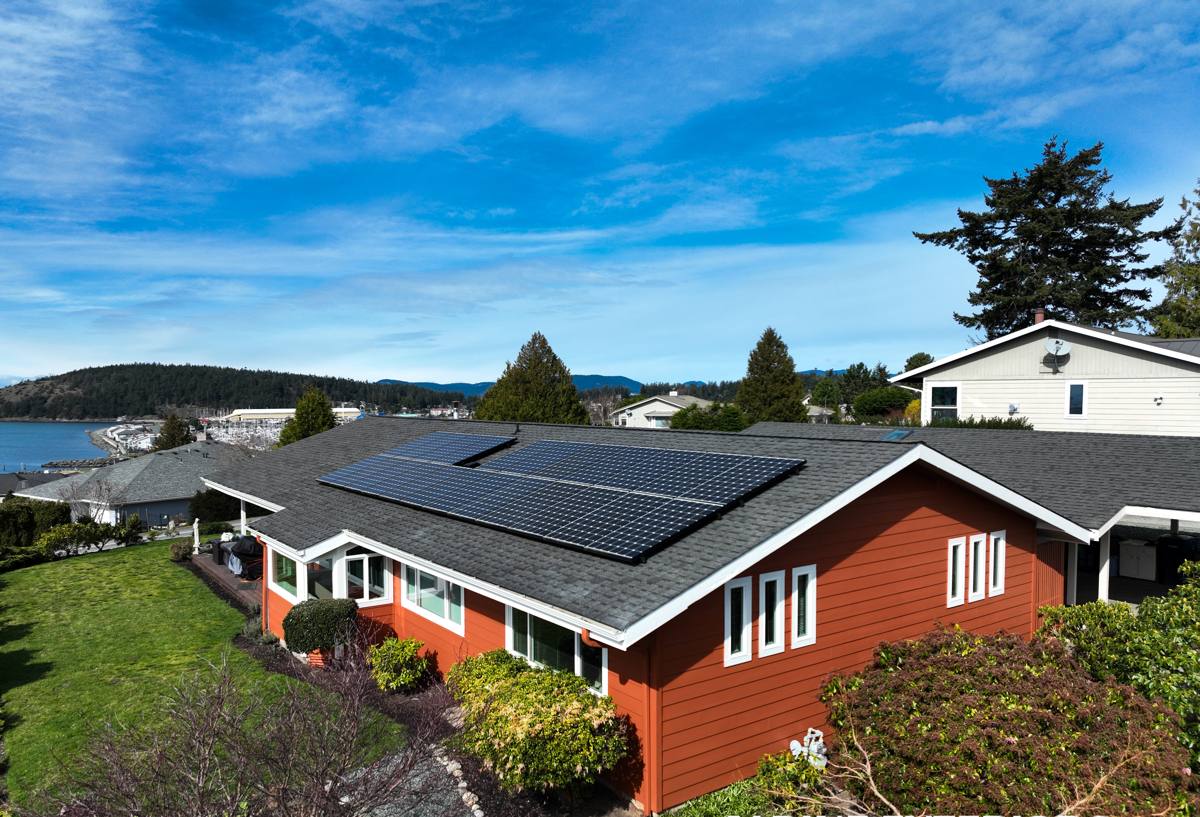
Birch Bay Village sits close enough to the water that salt air is a daily fact of life for every exterior surface on your home, not just an occasional nuisance during a storm. Combine that with Whatcom County's driving winter rain and a moss season that can run half the year on shaded, north-facing walls, and you have a set of conditions that will find every weak point in a home's siding faster than almost anywhere else in the region. Repair work here isn't cosmetic — it's about catching moisture problems before they move from the siding into the sheathing and framing behind it.
We work on homes throughout Birch Bay Village regularly, which means we already know which wall orientations tend to fail first, which repair shortcuts don't hold up out here, and which fixes actually last through another wet season. This page walks through what local homes need, what a correct repair job looks like, and how we approach it.
What Salt Air, Driving Rain, and Moss Actually Do to Siding
Salt Air
Airborne salt doesn't just sit on the surface — it works into any exposed fastener, seam, or crack and accelerates corrosion of nails, screws, and metal flashing. Once a fastener starts to rust and lose its grip, the siding panel around it loosens, and that small gap becomes an entry point for water. On older homes we often find corrosion at the fastener level well before the siding itself looks visibly damaged.
Driving Rain
Wind-driven rain off the water doesn't fall straight down — it gets pushed sideways and upward under laps, around trim, and into any joint that isn't sealed correctly. Siding systems that rely on caulk alone to keep water out, rather than proper lapping and flashing, tend to fail first in exactly this kind of weather.
Moss and Algae
Shaded walls, roof overhangs, and anything near mature trees stay damp longer here, and that moisture supports moss and algae growth that holds water against the siding surface for extended periods. Over time this constant dampness breaks down paint film, softens wood substrates, and can hide rot developing underneath a layer of green growth that looks like a surface problem but isn't.
Signs a Birch Bay Village Home Needs Siding Repair
Some damage is obvious. A lot of it isn't, especially when it's tucked behind moss or on a wall you don't look at often. Here's what we tell homeowners to check for:
- Soft or spongy spots when you press on the siding, especially near the bottom courses or around windows
- Visible cracking, buckling, or warping in individual panels or boards
- Paint that's bubbling, peeling, or flaking in patches rather than evenly across a wall
- Persistent moss or dark staining that keeps returning after cleaning
- Gaps opening up at seams, corners, or where siding meets trim, windows, or doors
- Rust streaks below fasteners or exposed metal flashing
- Interior signs — musty smell, discoloration on interior walls, or peeling paint on the inside of an exterior wall
- Increased pest activity, since damp, softened siding attracts carpenter ants and other wood-seeking insects
Any one of these on its own might be minor. Several together, especially on a wall that faces prevailing wind and rain, usually means water has already gotten past the surface.
What a Correct Repair Job Actually Involves
A repair that just patches the visible damage and stops there is a repair that will need to be redone. Here's what we check on every job, whether it's a single damaged board or a whole wall section:
Find the Real Cause First
Damaged siding is often a symptom, not the problem itself. Before we replace anything, we look at what let water in — a failed flashing detail, a caulk joint that was never sealed correctly, a missing kick-out flashing at a roof-to-wall intersection, or grading that pushes water back toward the foundation and up into lower courses. Replacing the siding without fixing the cause just buys a few more years before the same spot fails again.
Check What's Behind the Siding
Once panels are removed, we inspect the water-resistive barrier, sheathing, and framing underneath. If the sheathing has soft spots or the barrier is torn or missing in that area, that gets addressed before any new siding goes back on. This is the step that gets skipped by contractors trying to do a fast, cheap patch — and it's the step that determines whether the repair actually lasts.
Match Materials and Reinstall Correctly
Repairs should blend in, not stand out as an obvious patch. That means matching profile, exposure, and finish as closely as possible, and reinstalling with correct fastener placement, proper lapping, and flashing details that shed water the way the original design intended — not just caulking the edges and hoping.
When Repair Doesn't Make Sense Anymore
Some siding materials repair well for years. Others reach a point where every repair is temporary because the underlying material or original installation is compromised more broadly than one section. If we find widespread moisture damage, delaminating or crumbling substrate, or a pattern of failures across multiple walls, we'll tell you honestly that full replacement is the better long-term investment rather than continuing to chase individual repairs.
Repair Considerations by Siding Type
| Siding Material | Common Coastal Issues | Repair Outlook |
|---|---|---|
| Vinyl | Cracking in cold snaps, fading, warping from heat or poor installation | Panels can be swapped individually, but exact color matches get harder to find as vinyl ages and fades |
| Cedar or wood | Rot, moss growth, paint failure, insect damage from sustained moisture | Repairable when caught early; extensive rot usually means replacing full sections or the whole wall |
| Primed spruce or engineered wood composites | Edge swelling, delamination, and moisture wicking at joints | Damaged boards typically need full replacement rather than patching once swelling starts |
| James Hardie fiber cement | Minimal — non-combustible, doesn't rot, holds ColorPlus finish well in salt air | Individual planks can be replaced cleanly when needed; far fewer repair calls over the life of the siding |
We repair what's already on your home regardless of brand — that's a service call, and we do it honestly whether it's Hardie or something else. But when a homeowner asks what we'd put back up if a wall needs full replacement, we're upfront that we only install James Hardie fiber cement. We've seen how the other materials hold up in this climate over time, and repeated repair calls on wood, engineered wood, and vinyl are a big part of why we made that call.
Our Repair Process
- On-site inspection — We look at the damaged area and the walls around it, since coastal wind and rain exposure is rarely limited to just one spot.
- Moisture and structural check — Where damage looks more than surface-level, we open up the area to check sheathing and the water-resistive barrier before quoting a fix.
- Honest scope and options — We tell you plainly whether this is a straightforward patch, a larger section replacement, or a sign that full replacement makes more sense, along with why.
- Repair the cause, not just the symptom — Flashing, sealant, and drainage details get corrected as part of the job, not left for next time.
- Match and reinstall — New material is fitted and fastened to match the surrounding wall and shed water correctly.
- Walkthrough — We show you what we found and what we did before we consider the job finished.
Why Hire a Crew That Already Works in Birch Bay Village
Siding repair here isn't the same job as siding repair twenty miles inland. A crew that hasn't worked this stretch of Whatcom County coastline can miss how much wind-driven rain load a west-facing wall actually takes, or underestimate how fast moss reestablishes on a shaded elevation near mature landscaping. We've done enough repair work in and around Birch Bay to know which failure patterns show up here again and again, and we build our repairs to hold up against the conditions this specific area produces, not generic assumptions about siding maintenance.
That local familiarity also means faster, more accurate estimates. We're not guessing at how salt exposure or seasonal moss growth factor into the repair — we've already seen it on the house down the street.
Cost Factors to Expect
| Factor | Why It Affects Cost |
|---|---|
| Extent of hidden damage | Repairs that open up to find compromised sheathing or framing cost more than a straightforward panel swap |
| Material match availability | Matching older or discontinued siding profiles and colors can take more time and add cost versus a like-new match |
| Wall accessibility | Second-story walls, tight side yards, or areas requiring staging take longer than ground-level repairs |
| Underlying cause | Fixing a flashing or drainage issue behind the siding adds labor but prevents the same repair from recurring |
| Number of affected areas | Isolated damage costs less than damage spread across multiple walls or elevations |
Get an Honest Look at Your Siding
If you're seeing soft spots, persistent moss, cracked panels, or just want a second opinion on whether a wall needs a repair or something bigger, we're happy to take a look. We'll give you a straight answer on what's going on, what it'll take to fix it right, and what it'll cost — no pressure either way. Use the form below to request a free estimate for your Birch Bay Village home.