 Birch Bay Exterior
 Building Decks for Semiahmoo's Coastal Conditions
Semiahmoo sits close enough to the water that every deck built here has to answer to conditions a deck ten miles inland never sees. Salt-laden air off the bay works into fastener heads and connector plates. Driving rain off Whatcom County's winter storms finds every gap in a ledger flashing detail. And the long, damp moss season that runs from fall through spring turns any shaded or low-airflow deck surface into a slip hazard and a slow-motion rot problem if it isn't designed to shed water and dry out between rains.
We build and replace decks for homeowners throughout Birch Bay, and Semiahmoo's mix of waterfront and near-waterfront lots is some of the most demanding decking work in the county. This page covers what a deck built for this specific spot needs, what we actually do differently because of it, and what to expect if you're planning a new deck or replacing one that's showing its age.
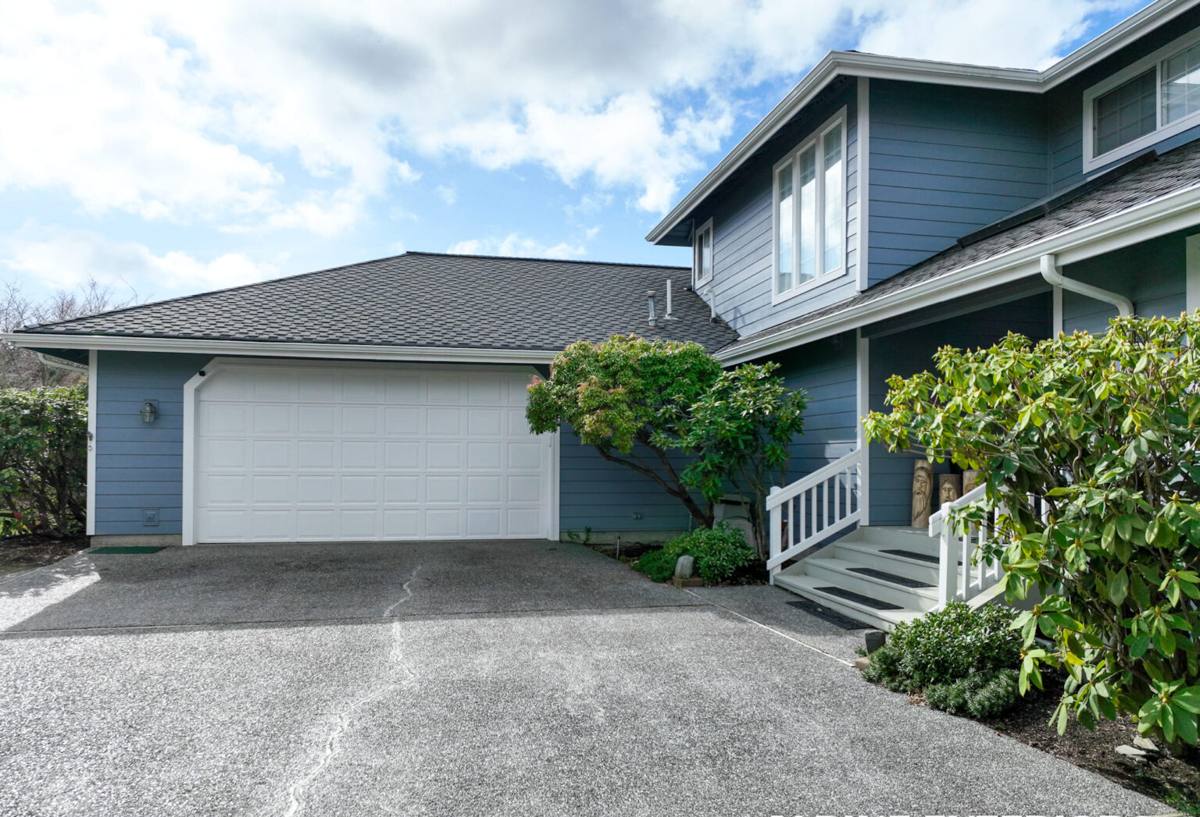
What Semiahmoo's Climate Does to an Ordinary Deck
A deck built to a generic spec — the kind that would hold up fine in a dry inland climate — tends to fail here in a handful of predictable ways:
- Fastener corrosion: Standard-coated screws and nails start rusting and staining the decking within a couple of seasons when they're exposed to salt air, especially on the water-facing side of a house.
- Hidden rot at connections: Ledger boards, post bases, and joist hangers that trap moisture instead of shedding it rot from the inside — often invisible until a board flexes underfoot.
- Moss and algae buildup: Shaded sections, north-facing decks, and areas with poor airflow underneath grow moss and algae that make the surface slick and hold moisture against the wood or composite cap.
- Finish failure: Stains and sealers rated for a milder climate wear out faster under constant damp-dry cycling, leaving wood exposed sooner than the label promised.
- Railing and hardware pitting: Uncoated or poorly coated metal railings and brackets pit and corrode visibly within a few years of salt exposure.
None of this means a deck can't last in Semiahmoo — it means the deck has to be specified and built differently than a catalog design assumes.
What a Correctly Built Deck Here Actually Involves
Fasteners and Hardware
We use stainless steel or heavy hot-dip galvanized fasteners and connectors rated for coastal exposure, not the standard coated hardware that's fine for a dry inland build. This is one of the cheapest upgrades on a deck project relative to how much corrosion trouble it prevents, and it's not optional on anything within reach of salt air off the bay.
Ledger and Flashing Details
Where the deck attaches to the house, proper flashing that directs water away from the ledger board — rather than trapping it against the framing — is the single most important detail on the whole structure. A poorly flashed ledger is the most common source of hidden rot we find when we're called out to look at an aging deck.
Framing for Airflow and Drainage
Joist spacing, post placement, and the gap between decking boards all affect how well the structure dries out after rain. We frame with enough airflow underneath and proper board spacing so water and debris don't sit and hold moisture against the wood — a detail that matters more here than almost anywhere else in the county given how long the ground stays damp.
Decking Material Choice
Wood, composite, and PVC decking each behave differently under constant salt and moisture exposure. We'll walk you through the real trade-offs for your specific site — sun exposure, proximity to the water, how much maintenance you want to do — rather than pushing one product as a universal answer.
Railings and Guards
Railing systems near the water need hardware and finishes rated for the same exposure as the deck itself. A railing that looks fine in a showroom can start showing rust streaks within a season or two if it wasn't specified for a coastal site.
Decking Material Comparison for Coastal Semiahmoo Sites
| Material | How It Handles Salt Air & Moisture | Maintenance | Typical Lifespan Here |
|---|---|---|---|
| Pressure-treated wood | Good if properly finished and refinished; needs consistent upkeep near the water | Annual cleaning, periodic re-staining/sealing | 15-20 years with upkeep |
| Cedar | Naturally moisture-resistant but still needs sealing in coastal exposure | Regular sealing to prevent graying and moss | 15-20 years with upkeep |
| Composite decking | Handles moisture well; resists rot but can still grow surface moss/algae in shaded areas | Periodic cleaning, no staining/sealing needed | 25-30+ years |
| PVC decking | Excellent moisture and salt resistance; fully synthetic | Low — occasional cleaning | 30+ years |
Framing and structural components underneath any of these materials still need to be built to the coastal standard described above — the decking surface is only part of the equation.
Our Process for a Semiahmoo Deck Project
1. Site Walk and Assessment
We look at sun exposure, proximity to water, existing drainage, and — if it's a replacement — what actually failed on the old deck and why. That failure pattern tells us a lot about what to change in the new build.
2. Design and Material Selection
We talk through layout, decking material, railing style, and any local permitting requirements for your property. You get a clear plan and a clear scope before any work starts.
3. Structural Build
Framing, ledger flashing, footings, and connections are built to the coastal-grade standard described above, not a generic inland spec.
4. Decking, Railing, and Finish
Surface material and railings are installed with attention to fastener spacing, drainage gaps, and hardware exposure.
5. Final Walkthrough
We walk the finished deck with you, cover basic maintenance for your specific material and site conditions, and answer any questions before we call it done.
Why a Crew That Already Works Semiahmoo Matters
Semiahmoo's building conditions aren't the same as a deck build in a dry, inland part of Whatcom County. A crew that hasn't dealt with salt air corrosion, coastal drainage, and moss-season moisture on a regular basis is more likely to spec standard hardware, skip the flashing details that actually matter, or recommend a material that looks right but doesn't hold up here. We work this area regularly, which means we've already seen what fails and why, and we build accordingly from the start rather than learning it on your project.
Maintaining a Deck in a Salt Air, High-Moss Climate
Even a well-built deck needs some regular attention in this climate. A short seasonal checklist:
- Clear leaves, needles, and debris from between boards and off the surface regularly, especially in fall and winter.
- Sweep or gently brush moss and algae off the surface before it builds up — don't let it sit through a whole wet season.
- Check fastener heads and railing hardware annually for early signs of rust or corrosion.
- Rinse salt residue off the surface periodically if the deck faces the water directly.
- For wood decks, plan on re-staining or resealing on a regular cycle rather than waiting until the finish visibly fails.
- Confirm underneath the deck stays clear of debris and vegetation so airflow and drainage aren't blocked.
Cost Factors for a Custom Deck in This Area
Every deck project is different, but a few factors consistently drive cost on Semiahmoo builds specifically:
| Factor | Why It Matters Here |
|---|---|
| Distance from water / salt exposure | Drives hardware grade and fastener requirements |
| Decking material choice | Wood costs less upfront but needs more upkeep; composite and PVC cost more upfront but less over time |
| Site access and grading | Sloped or waterfront lots can add framing and footing complexity |
| Size and layout complexity | Multi-level decks, built-in seating, or custom railings add labor and material |
| Existing deck removal | Replacement projects may require demo and disposal of the old structure |
We give you a real, itemized number for your specific site and design rather than a rough guess — the factors above are exactly what we walk through during the estimate.
New Build or Replacement — Either Way, We Start With a Look at Your Site
Whether you're planning a first deck for a Semiahmoo property or replacing one that's showing rot, corrosion, or moss buildup, the right approach starts with understanding your specific site — sun exposure, wind, distance from the water, and how the existing structure has held up if there is one. We'd be glad to take a look and talk through what makes sense for your home.
If you're considering a new or replacement deck in Semiahmoo, reach out for a free, no-pressure estimate using the form below. We'll walk your site, talk through material and design options, and give you a clear, honest number before any work begins.