 Birch Bay Exterior
 Building Decks That Actually Hold Up in Ferndale
Ferndale sits close enough to the water that homes here deal with the same coastal weather pattern as the rest of Whatcom County's Salish Sea shoreline — salt-laden air blowing in off Birch Bay and the Strait, long stretches of driving rain from fall through spring, and a moss season that can run six months or longer on shaded, north-facing structures. A deck built here isn't just a backyard feature. It's an exterior structure exposed to the same moisture cycle that eats siding, trim, and untreated wood if it's not detailed correctly from the start.
We build custom decks for homeowners throughout the Birch Bay and Ferndale area, and the decks that last aren't the ones with the fanciest railing or the widest boards — they're the ones where the framing, flashing, and fastener choices were made for this specific climate, not a generic build sheet.
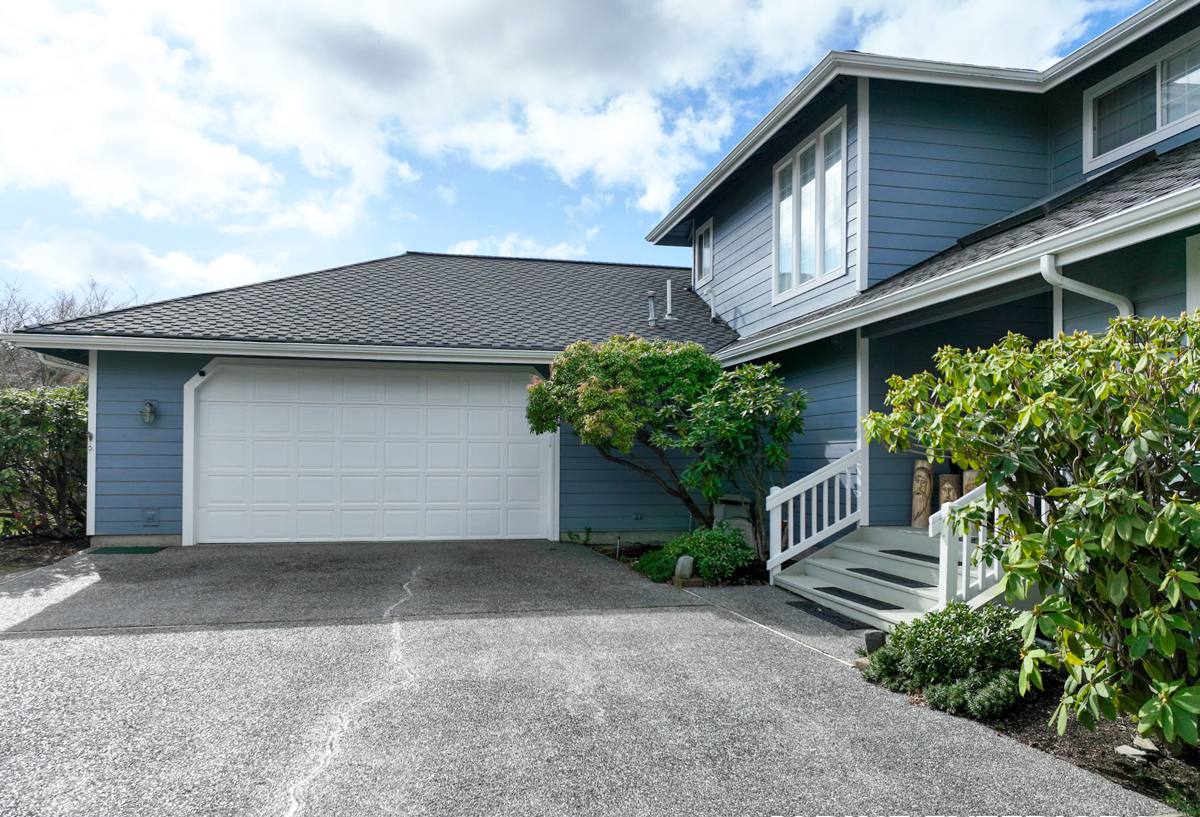
What Ferndale's Climate Actually Does to a Deck
Before we talk materials or design, it helps to understand what's working against a deck here year-round.
Salt Air and Corrosion
Homes closer to Birch Bay and the surrounding shoreline see airborne salt that accelerates corrosion on any metal component that isn't rated for it. Standard zinc-coated screws and bracket hardware can start rusting within a couple of seasons in a coastal exposure. Fastener and hardware choice matters more here than it does 20 miles inland.
Driving Rain and Moisture Cycling
Whatcom County's rain doesn't just fall straight down — wind-driven rain gets pushed sideways into ledger connections, under railing posts, and into any gap where end grain is exposed. Wood that isn't sealed on cut ends, or framing that traps water instead of shedding it, will absorb moisture repeatedly through the wet season and dry out slowly, if at all, before the next storm.
Moss and Organic Growth
Shaded decks, especially those under mature trees or on the north side of a house, stay damp long enough for moss and algae to establish. Beyond looking bad, moss holds moisture against the deck surface and makes boards slick and dangerous underfoot — a real concern on stairs and ramps.
Choosing the Right Decking Material for This Area
There's no single "best" decking material — there's the right material for a given budget, sun exposure, and how much upkeep the homeowner actually wants to do. Here's how the common options hold up specifically in a Ferndale/Birch Bay coastal climate.
| Material | Coastal/Moisture Performance | Maintenance | Typical Lifespan |
|---|---|---|---|
| Pressure-treated wood | Good if properly sealed and detailed; end cuts must be re-treated | Annual cleaning, re-stain or seal every 2-3 years | 15-20 years with upkeep |
| Cedar | Naturally rot-resistant but softer; still needs sealing against driving rain | Cleaning and sealant every 1-2 years | 15-20 years with upkeep |
| Capped composite | Excellent — impervious cap resists moisture and salt exposure | Periodic washing to prevent moss/algae buildup | 25-30+ years |
| Uncapped composite | Moderate — can absorb moisture at cut edges over time | More regular cleaning than capped composite | 15-25 years |
For a shaded lot or one close to the shoreline, we usually steer homeowners toward capped composite or a well-detailed wood deck with a real maintenance plan — not because wood is a bad product, but because the maintenance burden in this climate is higher and honest expectations up front save frustration later.
What a Correctly Built Deck Involves
A deck that fails early almost never fails because of the decking boards themselves — it fails at the connections and the framing underneath. This is where the real work happens.
Ledger Attachment and Flashing
Where a deck attaches to the house is the single most common failure point in this climate. That ledger board needs proper flashing that directs water away from the house band joist, not just a bead of caulk. Done wrong, this is how driving rain works its way into wall framing over a few wet seasons.
Footings for Local Soil and Frost
Footings need to be sized and set to local frost depth and soil conditions, not guessed at. Undersized or shallow footings lead to deck movement, which then stresses every connection above it.
Joist Spacing and Fastener Grade
Joist spacing depends on the decking material chosen — composite boards generally need tighter spacing than solid wood to prevent flexing. Fasteners and structural hardware should be rated for ground contact and coastal exposure, not just "exterior grade."
Drainage Underneath
Water needs somewhere to go once it passes through the deck boards. Grading and drainage beneath the structure prevent standing moisture that accelerates rot in framing and encourages moss growth from underneath.
Our Process for a Ferndale Deck Build
- Site visit and assessment — we look at sun exposure, drainage, tree cover, and how close the property sits to salt air exposure, since that changes our hardware and material recommendations.
- Design and material selection — we walk through the honest trade-offs between wood and composite for your specific lot, not a one-size-fits-all pitch.
- Permitting — most custom deck projects in Whatcom County require a building permit, particularly for decks attached to the house or built above a certain height. We handle that process as part of the job.
- Framing and structural work — footings, ledger flashing, and joist framing done to code, with fastener and hardware choices matched to coastal exposure.
- Decking, railing, and finish work — installed per manufacturer spacing specs for composite, or properly sealed and detailed for wood.
- Final walkthrough — we go over the finished deck and what maintenance it actually needs, in plain terms.
Common Problems We See — and How Correct Framing Prevents Them
Most of the deck repair calls we get in this area trace back to a handful of recurring issues, almost all of them preventable at the framing stage.
- Rot at the ledger board from missing or failed flashing
- Rusted or corroding fasteners and brackets in coastal-exposed hardware
- Soft or spongy spots from moisture trapped under decking with poor airflow
- Cupping or warping boards from unsealed end cuts absorbing rain
- Slick, moss-covered surfaces on shaded decks with no drainage plan
- Loose railing posts from undersized or improperly anchored footings
We frame every deck to prevent these specific failure points, rather than treating them as things to fix after the fact.
Maintaining a Deck Through Whatcom County's Wet Season
Whatever material you choose, a deck in this climate needs some seasonal attention to get its full lifespan. This isn't a heavy workload — it's a short list, done consistently.
- Clear leaves and debris from between boards before the fall rains set in — trapped organic matter holds moisture and feeds moss
- Rinse or lightly scrub shaded areas periodically through winter to keep moss and algae from establishing
- Check railing posts and stair connections once a year for movement or loosening hardware
- Inspect the ledger flashing annually for any gaps or caulk failure where the deck meets the house
- Reseal or re-stain wood decking on the schedule appropriate to the product — don't wait until it's visibly gray and dry
- Keep gutters and downspouts near the deck clear so roof runoff isn't dumping extra water onto the structure
Permits, Setbacks, and Whatcom County Considerations
Deck projects in unincorporated Whatcom County and nearby Ferndale often involve setback requirements from property lines, height restrictions for railings and guardrails, and permitting tied to whether the deck is attached to the house. Requirements can vary depending on the specific parcel and whether the property falls under county or city jurisdiction. We handle the permit process as part of the build so homeowners aren't left navigating it alone, and so the finished deck is inspected and built to code from the footings up.
Why Hiring a Crew That Already Works This Area Matters
A deck built to a generic national spec sheet doesn't account for salt air corrosion, wind-driven rain, or the moss cycle that shaded lots in this region deal with every winter. A crew that already works Birch Bay and Ferndale regularly has already seen which fastener grades hold up here, which framing details prevent ledger rot in this specific rain pattern, and which materials are worth the added cost versus which ones are overkill for a given lot. That local pattern recognition is the difference between a deck that needs major repair in eight years and one that's still solid in twenty-five.
Get a Straightforward Estimate
If you're planning a new deck or replacing one that's showing its age, we're happy to take a look and give you an honest read on what your property needs — no pressure, no upsell. Use the form below to request a free estimate for your Ferndale-area deck project.