 Birch Bay Exterior
 Roofing in California Creek: What the Climate Actually Demands
Homes in the California Creek area sit close enough to Birch Bay and the Strait of Georgia that salt-laden air is a daily fact of life for the roof over your head, not an occasional nuisance. Add Whatcom County's long, wet winters and the shaded, damp pockets that let moss take hold for months at a time, and you get a roofing environment that's genuinely tougher on materials and fasteners than what a roof faces twenty or thirty miles inland. A roof replacement here isn't just about swapping old shingles for new ones — it's about specifying and installing a system that's built to handle salt exposure, sustained rain, and moss pressure from day one.
We say this as a crew that works in this specific area regularly, not as a generalization. The failure patterns we see on California Creek roofs are consistent: corroded fasteners and flashing metal well before the shingles themselves wear out, moss colonies working into granule loss on north-facing slopes, and soffit or fascia rot where moss-trapped moisture has been sitting against wood for one too many wet seasons.
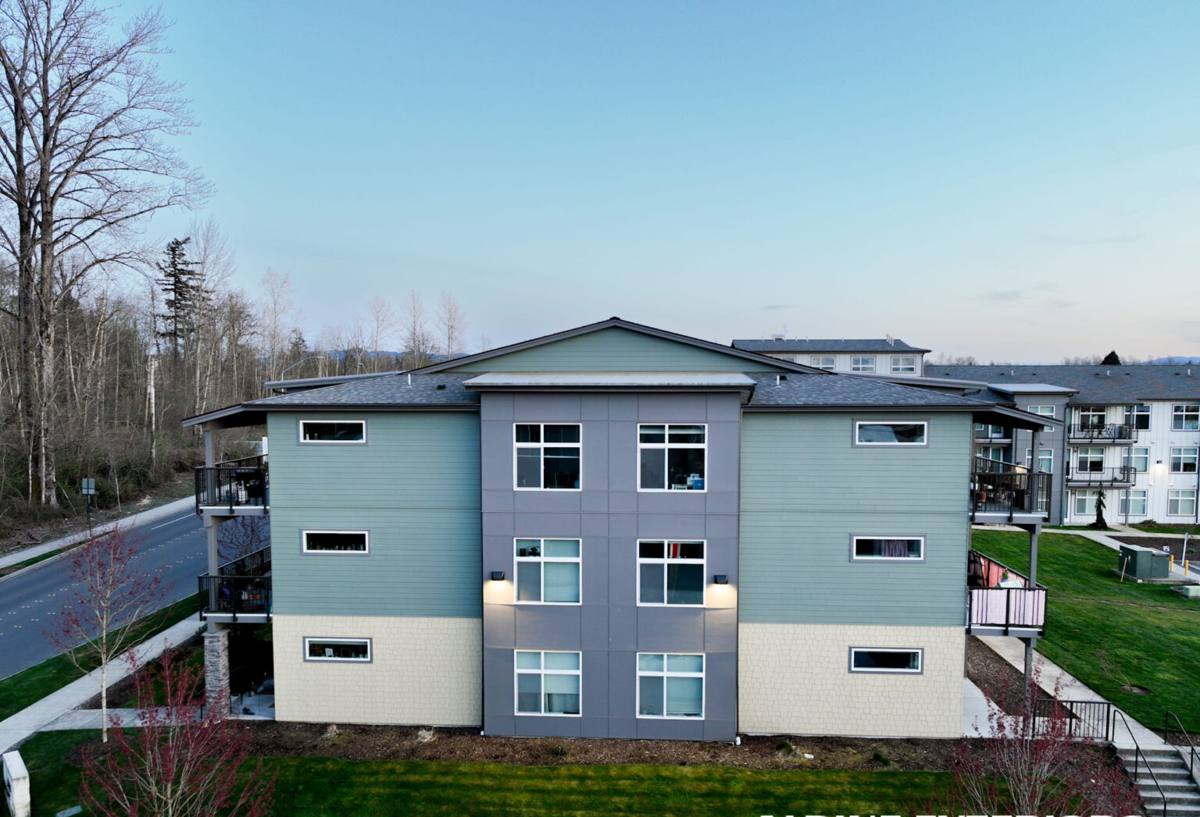
Signs a California Creek Roof Needs Replacement, Not Just Repair
Not every roofing problem calls for a full tear-off. But there's a point where patching stops making financial sense and a replacement becomes the honest recommendation. Here's what tends to tip that decision for homes in this area:
- Granule loss heavy enough that you can see bare asphalt on multiple slopes, especially north- and shade-facing ones where moss has been established longest
- Flashing around chimneys, valleys, or roof-to-wall transitions that's visibly corroded or was never properly step-flashed to begin with
- Soft or spongy decking found during inspection, usually near eaves or valleys where water and moss debris collect
- Fastener corrosion — rusted nail heads or streaking are an early warning that the hardware is failing faster than the shingles
- A roof already past 18-20 years old that's showing any of the above; in this climate, that's near the realistic end of service life for standard asphalt
If a roof is younger and the damage is localized — a bad flashing detail, one section of moss damage, storm damage to a limited area — a repair is often the right call, and we'll say so plainly. We don't sell replacements to homeowners who don't need one.
What a Correct Roof Replacement Involves Here
Tear-Off and Deck Inspection
Every replacement starts with a full tear-off down to the deck, not a layover. That's the only way to actually see what's underneath — and on California Creek homes, we routinely find soft or delaminated decking near eaves and valleys that a layover would have hidden for years. Any compromised sheathing gets replaced before anything new goes down.
Underlayment and Moisture Barrier
Given the volume of driving rain this area gets, we don't treat underlayment as an afterthought. Synthetic underlayment across the full field, with self-adhered ice-and-water membrane at eaves, valleys, and any low-slope transitions, gives the roof a real second line of defense if wind-driven rain ever gets past the primary roofing material.
Flashing Done Right
This is where a lot of roof failures near the coast actually start. We use corrosion-resistant flashing at every chimney, wall transition, skylight, and valley, step-flashed correctly rather than relying on caulk or roof cement to do a flashing detail's job. In a salt-air environment, cheap or improperly fastened flashing is often the first thing to fail — well before the shingles.
Ventilation
Proper intake and exhaust ventilation matters everywhere, but it matters more where moss and moisture are constant pressures. Balanced ventilation keeps the deck drier, reduces the conditions moss thrives in, and helps the new roofing material reach its full expected lifespan instead of failing early from trapped heat and moisture.
Material Options for Salt Air and Moss-Prone Roofs
There's no single "best" roofing material for every California Creek home — it depends on your home's exposure, roof pitch, budget, and how much long-term maintenance you're willing to keep up with. Here's how the common options actually perform under this area's conditions:
| Material | How It Handles Salt Air & Moss | Typical Lifespan Here | Maintenance Reality |
|---|---|---|---|
| Architectural asphalt shingle | Good with proper ventilation and algae-resistant granules; moss still needs periodic removal on shaded slopes | 20-25 years | Low to moderate — periodic moss/debris removal |
| Standing seam metal | Excellent salt resistance when properly coated fasteners and finish are used; sheds moss and moisture fast due to slope and smooth surface | 40-50+ years | Low — occasional inspection of seams and fasteners |
| Cedar shake | Attractive but requires more diligence in a moss-prone, high-moisture climate; needs regular treatment and inspection to avoid rot | 20-30 years with upkeep | High — ongoing moss control and periodic treatment |
| Synthetic/composite shingle | Resists moisture absorption and moss better than wood; performs well in coastal conditions | 30-40 years | Low to moderate |
We're upfront about the trade-offs on cedar in particular. It's a good-looking product, but it demands a level of ongoing maintenance in this climate that not every homeowner wants to keep up with — and if that upkeep lapses, moisture and moss damage can shorten its life significantly. That's a maintenance-burden conversation, not a knock on the material itself; we'll walk through it honestly if it's on your shortlist.
Our Roof Replacement Process
- On-site inspection — we walk the roof (or use a drone where pitch or access requires it), check the deck condition where visible, and note flashing, ventilation, and moss patterns specific to your property
- Written estimate — material options, scope, and a clear price, with the reasoning behind our recommendation explained, not just a number
- Scheduling around weather — we plan tear-off for a realistic dry window and have a plan for covering the deck if conditions shift mid-project, which matters more here than in drier parts of the state
- Tear-off, deck repair, and installation — done in the sequence above, with daily cleanup so your property isn't left exposed or littered overnight
- Final walkthrough — we review the completed work with you, including flashing details and ventilation, before calling the job done
What Affects Your Replacement Cost
Every roof is different, so we won't quote a number without seeing yours — but these are the factors that most often move the estimate up or down:
| Factor | Why It Matters |
|---|---|
| Roof size and number of planes | More square footage and more valleys/hips mean more material and labor |
| Deck condition | Rotted or soft sheathing found during tear-off adds repair cost that can't always be predicted beforehand |
| Material choice | Asphalt, metal, synthetic, and cedar carry very different material and labor costs |
| Roof pitch and access | Steep or hard-to-access roofs require more safety setup and time |
| Flashing and ventilation scope | Chimneys, skylights, and added ventilation components add to the detail work |
| Tear-off layers | Removing multiple existing layers takes longer and costs more in disposal than a single-layer tear-off |
As a general range, most full asphalt shingle replacements on homes in this area run from the mid five figures down to the low five figures depending on size and scope, with metal and premium materials running higher. That's a starting reference point, not a quote — your actual estimate comes from an on-site look at your specific roof.
Why Hiring a Crew That Already Works California Creek Matters
Roofing crews that mostly work drier, inland regions don't always build in the same margins for driving rain, salt exposure, and moss recurrence that a Whatcom County coastal roof needs. A crew that regularly works in and around Birch Bay and California Creek already knows which flashing details tend to fail first in this exposure, which slopes on a given lot orientation collect moss fastest, and how to schedule a tear-off around this area's weather patterns instead of getting caught mid-project by a system rolling in off the water. That local pattern recognition is the difference between a roof that looks right on day one and one that's actually built for the next twenty-plus years here.
Protecting Your New Roof After Installation
A correctly installed roof still benefits from basic upkeep, especially in a moss-prone, salt-air climate. A short list of what actually keeps a new roof performing as designed:
- Keep gutters clear of debris so water isn't backing up under eaves during heavy rain
- Have moss growth removed before it establishes on shaded or north-facing slopes — early removal is far easier than dealing with established growth
- Trim back overhanging branches that keep sections of the roof shaded and damp longer than the rest
- Schedule a visual inspection every year or two, particularly after any major windstorm off the water
- Watch for granule buildup in gutters, which can signal accelerated wear worth a closer look
None of this requires a maintenance contract or constant attention — just periodic checks so small issues don't turn into deck damage down the line.
Get a Straightforward Estimate
If you're weighing a repair against a full replacement, or just want an honest read on where your California Creek roof actually stands, we're glad to take a look. There's no pressure and no sales script — just a clear inspection and a straight answer, using the form below to request your free estimate.