 Birch Bay Exterior
 Windows Built for the Lynden Stretch of the Whatcom County Coast
Homes in the Lynden area near Birch Bay sit in one of the more demanding window environments in Whatcom County. You've got salt-laden air rolling in off the water, driving rain that comes in sideways more often than straight down, and a moss season that stretches longer here than it does further inland. None of that is dramatic on its own, but stacked together year after year, it's exactly the combination that finds every weak point in a window — a bad seal, a soft sill, a frame that was never really sized right for the opening.
We install and replace custom windows in this area regularly, which matters more than it sounds. A window that performs fine in a dry inland climate can fail early here if it wasn't spec'd or installed with this coastline in mind. This page covers what that actually means for a Lynden-area home, what a correct job looks like, and how we run the process from first estimate to final walkthrough.
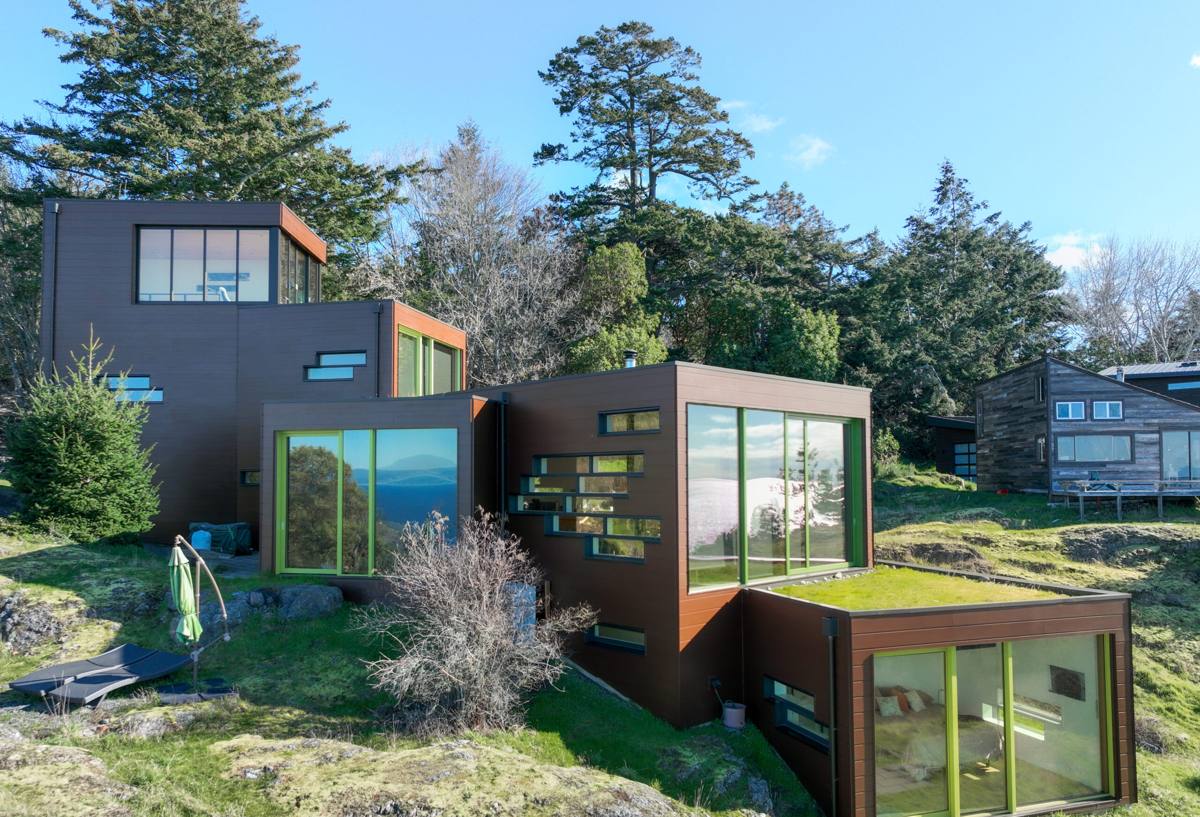
What "Custom" Really Means on a Window Job
"Custom" gets used loosely in this trade, so it's worth being precise. On a real custom window job, it means the window is built or selected to match the actual opening and the actual conditions of your house — not just picked from a standard size chart and shimmed to fit.
That covers things like:
- Exact opening dimensions, including out-of-square conditions common in older framing
- Frame material matched to sun exposure, wind-driven rain exposure, and maintenance tolerance
- Glass package (Low-E coatings, gas fill, tempered where code requires it) matched to the room's orientation and use
- Trim and exterior detailing that ties into your home's existing siding and trim profile instead of looking bolted on
- Flashing and drainage details specific to your wall assembly, not a generic install
None of that is upsell language — it's the difference between a window that's still tight in ten years and one that starts letting in moisture behind the trim in three.
Why Salt Air and Driving Rain Change the Job
Two conditions specific to this stretch of coastline drive most of the decisions we make on a Lynden-area window job.
Salt air and hardware corrosion
Salt-laden air accelerates corrosion on anything with exposed metal — hinges, locks, cranks, and especially lower-grade aluminum components. It also degrades some sealant formulations faster than they'd break down further inland. This is why hardware finish and sealant choice matter as much as the window brand itself; a window with the wrong hardware spec can start showing pitting or stiff operation within a few seasons here.
Wind-driven and sideways rain
Rain that comes in at an angle tests a window's drainage path in a way that straight-down rain never does. Water has to be able to get behind the outer stop and back out through the weep system without pooling. If the sill pan, flashing, or weep holes are installed wrong — or skipped, which happens more than homeowners realize — water finds its way into the wall cavity instead of back outside. That's a slow problem: it can take a year or two to show up as staining, soft trim, or a musty smell, by which point there's real repair work behind the window, not just a window replacement.
Moss Season and What It Does to Window Surrounds
The extended moss season in this part of Whatcom County affects windows indirectly but consistently. Moss and algae growth on adjacent siding, trim, and sills holds moisture against those surfaces far longer than bare material would. Where that growth creeps onto or under window trim, it keeps the wood or composite material damp for extended stretches, which is where rot gets a foothold. Wood sills and painted wood trim around windows are the most exposed to this; that's a factor worth weighing honestly when you're choosing sill material and trim details, not something to find out about after the fact.
Signs Your Current Windows Are Losing the Battle
Most window failure in this climate is gradual, not sudden. Worth checking for:
- Fogging or condensation between panes on double- or triple-glazed units — the seal has failed and the gas fill is gone
- Soft or discolored trim or sill material, especially on the sides that take the most weather
- Hardware that's stiff, corroded, or won't latch fully tight anymore
- Visible daylight or a draft you can feel with your hand along the frame edge on a windy day
- Paint or finish failure concentrated around the window opening more than the surrounding wall
- A musty smell near a window that isn't explained by anything else in the room
Any one of these on its own might just mean a caulk touch-up. Two or three together, especially on a window ten-plus years old, usually means the unit or its installation has reached the end of its useful life.
How We Run a Custom Window Job
1. On-site assessment
We look at the actual opening, the wall assembly where we can see it, and the exposure — which direction the window faces, how much weather it actually takes. This is where we catch problems like hidden rot or an opening that's shifted out of square, before they become surprises mid-install.
2. Product selection
We walk through frame material, glass package, and hardware options against your budget and the specific exposure of that opening — a window on the weather side of the house doesn't need the same spec as one tucked under an eave on the lee side.
3. Precise measurement and ordering
Custom units are ordered to the actual opening, not a standard size. This is also where we plan flashing and drainage detailing for that specific location.
4. Removal and prep
Old units come out carefully so we can inspect the framing, sill, and sheathing underneath. Any rot or moisture damage gets addressed before the new window goes in — installing a good window over a compromised opening just hides the problem for a while.
5. Installation, flashing, and sealing
Sill pan, flashing, and weep paths get built for wind-driven rain specifically, not just a bead of caulk around the perimeter. Hardware and fasteners are selected for coastal corrosion resistance.
6. Final walkthrough
We check operation, seal, and finish with you before we call it done, and go over any maintenance specific to the product you chose.
Frame Material Comparison for This Climate
| Material | Salt air / moisture handling | Maintenance | Typical trade-off |
|---|---|---|---|
| Vinyl | Good — won't corrode or rot | Low | Limited color/finish options; can look less custom on older homes |
| Fiberglass | Very good — stable, resists moisture and corrosion | Low to moderate | Higher upfront cost than vinyl |
| Wood (clad exterior) | Good on the clad side; interior wood still needs protection from condensation | Moderate | Best traditional appearance; relies on the cladding staying intact |
| Aluminum | Poor without marine-grade coatings — prone to pitting in salt air | Moderate to high | Thin sightlines, but generally not our first recommendation this close to the water |
We're not going to tell you a material is "bad" outright — every option here has a legitimate use case. But for a house taking regular salt air and driving rain, we'll be honest with you if a choice on your list carries more long-term maintenance than you're expecting, so it's your decision made with full information, not a surprise five years in.
What Actually Drives Cost
| Factor | Why it matters |
|---|---|
| Frame material and glass package | Fiberglass and upgraded Low-E/gas-fill glass cost more upfront but hold up longer against this exposure |
| Number and size of openings | Larger units and full-house replacements have per-unit efficiencies but higher total cost |
| Condition behind the existing window | Hidden rot or framing repair adds labor that only becomes clear once the old unit is out |
| Trim and exterior detailing | Matching existing trim profiles or upgrading flashing detail takes more time than a stock install |
| Access and site conditions | Second-story or hard-to-reach openings take longer and need more setup |
We don't publish flat per-window pricing because these variables genuinely change the number from house to house — anyone who quotes a fixed price without seeing your openings is guessing. What we can tell you honestly: budget windows with basic installation cost less upfront and more in the long run near the water, because the labor and material savings usually show up again in five to ten years as repair or early replacement.
Maintenance That Actually Extends Window Life Here
- Rinse salt film off frames and glass a few times a year, more often if the window faces open water directly
- Keep moss and algae cleared off adjacent siding and trim so it isn't holding moisture against the window surround
- Check and clear weep holes at the base of the frame — debris or paint buildup here blocks drainage
- Work hardware (locks, cranks, hinges) periodically so corrosion doesn't set in unnoticed
- Re-caulk exterior trim joints when you see cracking or gaps, before the next wet season
- Watch for soft spots in wood sills or trim early — caught early, it's a repair; caught late, it's a replacement
Why It Matters That We Already Work This Area
A crew that works Birch Bay and the surrounding Lynden-area coastline regularly isn't learning the local weather pattern on your project. We already know which exposures need extra flashing attention, which hardware finishes actually hold up, and where moss buildup tends to cause the most trim damage in this specific part of Whatcom County. That's not a sales pitch — it's the practical benefit of local, repeat experience over someone doing their first job in a coastal salt-air environment.
It also means we're not disappearing after installation. If something needs adjustment once the windows have gone through a full wet season, we're a local call, not a distant office.
If you're weighing whether it's time to replace windows on a Lynden-area home near Birch Bay, we're happy to take a look and give you a straight, no-pressure estimate — just fill out the form below.