 Birch Bay Exterior
 Window Installation Built for Lummi Island's Conditions
Lummi Island sits out in the weather in a way most mainland Whatcom County neighborhoods don't. The homes here take a steadier beating from salt-laden air off the water, driving rain that comes sideways more often than straight down, and a moss season that can stretch for months on shaded north and west walls. Windows are one of the first places that shows up. Frames swell and stick, sills go soft, and finishes that would hold up fine twenty miles inland start failing years ahead of schedule out here.
We install windows across the Birch Bay area and out to Lummi Island regularly enough to know what actually happens to a window over its first five winters in this environment, not just what a spec sheet promises. That experience changes what we recommend, how we flash an opening, and what we tell homeowners to expect from different window products.
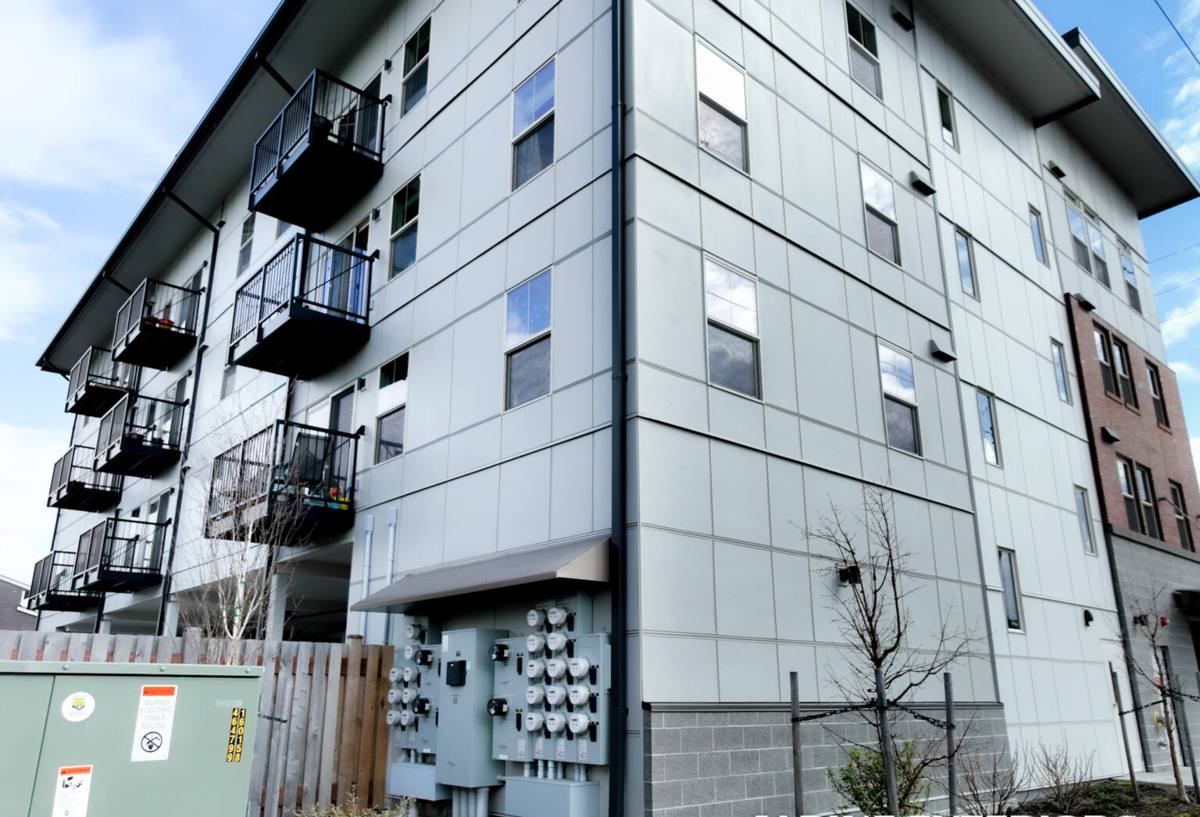
What Salt Air, Rain, and Moss Actually Do to a Window
Each of these three factors attacks a window differently, and understanding the mechanism matters more than the general idea of "coastal wear."
Salt Air
Airborne salt is corrosive to exposed metal hardware — hinges, cranks, locks, and especially lower-quality aluminum components. It also accelerates the breakdown of some exterior finishes and caulks over time, which is why we pay close attention to hardware quality and sealant selection on island jobs rather than defaulting to whatever's cheapest.
Driving Rain
Wind-driven rain doesn't just fall on a window, it gets pushed sideways and upward into any gap in the flashing or seal. A window that's perfectly weathertight in calm conditions can still leak on Lummi Island if the installation didn't account for wind-driven water pressure at the sill and jambs. This is almost always an installation detail, not a product defect.
Moss and Persistent Moisture
Shaded, north-facing walls near tree cover stay damp longer here than they would in a drier inland location. That constant low-level moisture is what lets moss and algae get a foothold on sills, trim, and cladding around a window opening. Left alone, that moisture retention can work its way into wood trim and sheathing long before it's visible from inside the house.
Signs a Lummi Island Home's Windows Need Attention
Most window failures give warning signs well before there's a visible leak. Worth checking seasonally, especially after a stretch of hard weather:
- Frames or sashes that stick, feel swollen, or won't latch cleanly anymore
- Soft or discolored wood at the sill or lower corners of the frame
- Visible moss, algae, or black staining building up on trim or sills
- Condensation forming between panes (a sign the seal on a double- or triple-pane unit has failed)
- Drafts or a noticeable temperature difference near the window in winter
- Peeling or bubbling paint on interior or exterior trim near the frame
- Visible daylight or gaps around the frame when viewed from outside
Any one of these on its own isn't an emergency, but a few showing up together usually means the window or its installation has reached the end of its useful life.
What a Correct Installation Actually Involves
Window failures on the coast are far more often an installation problem than a product problem. A well-made window installed with shortcuts will leak; a mid-range window installed correctly will hold up for decades. The details that matter most in this climate:
Flashing and Water Management
Every opening needs a flashing sequence that sheds water down and out, layered correctly with the house wrap so water can never get behind the window and into the wall cavity. On a home exposed to driving rain, this is the single most important step in the whole job — more important than the window brand itself.
Sill Pan Protection
A sill pan creates a waterproof pocket under the window opening so that any water that does get past the primary seal has somewhere to drain instead of soaking into the framing below. We treat this as standard on coastal and island installs, not an upgrade.
Sealant Selection and Application
Not all exterior sealants hold up the same way to constant salt-air exposure and UV. We use sealants rated for the movement and weathering this environment puts them through, and we don't rely on caulk alone to do a flashing job's work.
Proper Shimming and Squaring
A window that's out of square binds, doesn't latch fully, and wears its weatherstripping unevenly, which opens the door to drafts and water intrusion years earlier than it should. Getting this right takes a few extra minutes per window and prevents years of problems.
Insulation Without Overpacking
The gap around the frame needs to be insulated, but overpacking with expanding foam can bow the frame and cause it to bind. Low-expansion foam or backer rod, applied correctly, keeps the frame straight and performing the way it's designed to.
Choosing Materials That Hold Up Out Here
Frame material matters as much as installation quality when a window sits a short distance from salt water. Here's how the common options compare for this specific environment:
| Frame Material | How It Handles Salt Air & Moisture | Maintenance | Typical Trade-Offs |
|---|---|---|---|
| Vinyl | Doesn't corrode or rot; handles moisture well | Low — occasional cleaning | Fewer color/finish options; can flex in extreme heat, rarely an issue here |
| Fiberglass | Very stable, minimal expansion/contraction, holds paint well | Low to moderate | Higher upfront cost than vinyl |
| Aluminum | Susceptible to corrosion and pitting near saltwater unless marine-grade and well-finished | Moderate — hardware and finish need monitoring | We're selective about where we recommend it on island jobs |
| Wood / Wood-Clad | Attractive but vulnerable to rot without diligent upkeep in a damp, mossy environment | High — regular refinishing and moisture checks | Best suited to homeowners committed to ongoing maintenance |
We don't push one material on every job. A homeowner who wants the look of wood and is willing to keep up with it is making a legitimate choice — we just make sure they know what that upkeep looks like before the windows go in, rather than after.
Our Installation Process, Step by Step
- On-site assessment: We look at each opening individually — existing framing condition, exposure direction, and any signs of past water intrusion — before recommending anything.
- Product selection: Based on that assessment and the homeowner's budget and priorities, we walk through frame material, glass package, and hardware options.
- Removal and inspection: Old windows come out carefully so we can inspect the framing and sheathing underneath for hidden rot or moisture damage before anything new goes in.
- Repair as needed: Any damaged framing or sheathing gets addressed before the new window is set — installing over a compromised opening just locks the problem inside the wall.
- Flashing and sill pan installation: Water management gets built in correctly, every time, not treated as optional.
- Setting, shimming, and squaring the window: Precision here is what determines how the window operates and seals for its entire service life.
- Insulating and sealing: Low-expansion insulation and climate-appropriate sealant close the gap without distorting the frame.
- Interior and exterior trim finish: Trim is finished to shed water and match the home's existing look.
- Final walk-through: We check operation, latching, and seal on every window before calling the job done.
What Drives Cost
Window installation pricing varies by opening, and any honest quote comes from seeing the actual site rather than a phone estimate. In general, the factors that move the price most are:
| Factor | Why It Matters |
|---|---|
| Frame material | Vinyl is typically the most budget-friendly; fiberglass and wood-clad run higher |
| Glass package | Double-pane vs. triple-pane, and any low-E or gas-fill upgrades, change both cost and performance |
| Window size and style | Larger units, bay/bow configurations, or custom shapes cost more than standard single or double-hung sizes |
| Condition behind the old window | Hidden rot or framing damage found during removal adds repair time before the new window can go in |
| Number of openings | Whole-house projects typically bring a better per-window cost than one-off replacements |
| Access and logistics | Site access, including ferry scheduling for island jobs, factors into project timing |
We'd rather give a homeowner a realistic range after seeing the openings than a number over the phone that doesn't hold up once we're on site.
Why a Crew That Already Works Lummi Island Matters
Lummi Island is ferry-accessible, which changes how a project needs to be planned compared to a mainland job. Materials, crew, and equipment all have to move on the ferry schedule, and a contractor unfamiliar with that reality can turn a straightforward install into a drawn-out one — extra trips, delayed material deliveries, or a crew standing around waiting on a sailing. We build that logistics planning into the schedule up front so it doesn't turn into delays or surprise costs partway through the job.
Beyond logistics, familiarity with how homes on the island actually weather — which exposures take the worst of the driving rain, where moss tends to establish first, how salt air has treated hardware on similar homes nearby — means fewer surprises once we're into a job and a more accurate estimate from the start.
Protecting the Investment After Installation
A correctly installed window in a good frame material should need very little from a homeowner, but a few habits extend its life meaningfully in this climate:
- Rinse salt residue off frames and glass periodically, especially on ocean-facing sides of the home
- Keep gutters and downspouts clear so water isn't running down over window heads
- Trim back vegetation that's keeping any wall or window area in constant shade and dampness
- Check and clean weep holes on the exterior sill so water can drain as designed
- Address moss or algae buildup on sills and trim before it spreads or holds moisture against the frame
- Have hardware — locks, cranks, hinges — checked periodically if the home is in a heavier salt-exposure area
None of this is complicated, but skipping it is how a well-installed window ends up needing attention years earlier than it should.
Get a Straightforward Estimate
If you're dealing with sticking windows, visible moisture damage, or you're just planning ahead for a home on Lummi Island, we're glad to take a look and give you an honest assessment — no pressure, no inflated quote to negotiate down from. Fill out the form below and we'll get in touch to schedule a time that works around your ferry schedule and your home.