 Birch Bay Exterior
 Siding Built for California Creek's Particular Kind of Weather
California Creek sits close enough to the water that homes here deal with a combination of stresses most inland Whatcom County properties never see: salt-laden air blowing in off the strait, long stretches of driving, wind-pushed rain, and a wet season that stretches on long enough to give moss and algae every chance they need to take hold. Siding in this pocket of the county doesn't fail because it's old — it fails because it was never matched to this environment in the first place. We install James Hardie fiber cement siding here because it's the one product system that holds up to all three of those pressures at once, and we install it the way Hardie's own specifications call for, which is where most of the failures we get called out to inspect actually start.
This page is about one thing: what fiber cement siding needs to look like, be built like, and be maintained like on a California Creek home. Not a generic siding overview — the specifics that matter for houses in this exact stretch of coastline.
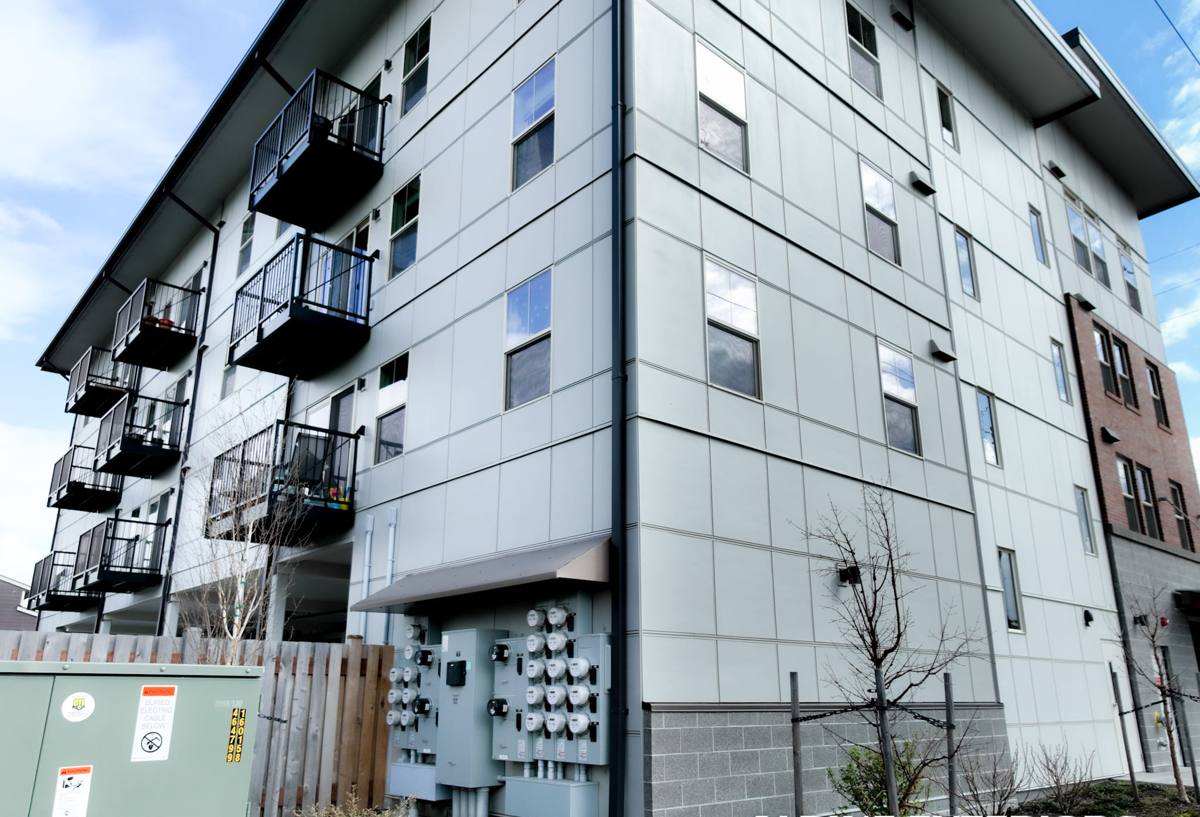
What Salt Air, Driving Rain, and Moss Actually Do to a House
Salt Air and Finish Breakdown
Airborne salt is mildly corrosive and, more importantly for siding, it accelerates the breakdown of paint film and caulk. Finishes that would hold up for a decade further inland can start chalking, fading, or losing adhesion years earlier on a home exposed to onshore air. This is why the factory-cured finish on Hardie's ColorPlus products matters so much more here than it would in a sheltered neighborhood — field-applied paint has to fight the salt exposure from day one, while a baked-on factory finish is formulated and cured specifically to resist it.
Wind-Driven Rain and Moisture Intrusion
Rain that falls straight down is a minor concern for siding. Rain that's being pushed sideways by wind off the water is a different problem entirely — it gets forced up under laps, around trim, and into any gap in the flashing or caulking that a less careful installer left behind. Fiber cement itself doesn't absorb and swell the way wood-based products do, but it still depends entirely on correct flashing, proper lap coverage, and a functioning water-resistive barrier behind it. Get those details wrong and moisture gets behind the siding regardless of what the siding itself is made of.
Moss, Algae, and the Long Wet Season
Whatcom County's wet season runs long, and shaded, north-facing, or tree-covered walls in California Creek stay damp for extended stretches even between storms. That's exactly the environment moss and algae need to establish themselves on a wall surface. It's mostly a cosmetic and maintenance issue rather than a structural one on a properly installed fiber cement wall, but it's a real, recurring reality here — and it shapes how we detail things like ground clearance, gutter placement, and vegetation setbacks during installation.
Why We Only Install James Hardie in This Area
We don't install LP SmartSide, vinyl, Cemplank, Allura, or primed wood siding, and California Creek's climate is a big part of why. Engineered wood products depend on an intact resin-treated shell to keep moisture out — any breach from a nail gun mistake, a woodpecker, or years of driving rain finding a seam can let water into the substrate, and wood-based cores swell and deteriorate once that happens. Vinyl handles moisture fine but softens, fades, and can warp under the temperature swings and coastal sun exposure homes here get, and it's a petroleum product with a fundamentally different lifespan expectation than fiber cement.
Fiber cement, by contrast, is cellulose fiber, sand, and Portland cement pressed and cured into a non-combustible board that doesn't swell, rot, or provide a food source for pests. James Hardie is the manufacturer we've standardized on specifically because their HZ5 product line is engineered for wet, marine-influenced climates like this one, and because their ColorPlus factory finish is warrantied and tested against exactly the kind of UV and moisture cycling this stretch of coastline delivers. We'd rather install one product system correctly, to spec, everywhere we work, than juggle multiple product lines with different tolerances and different failure modes.
What a Correct Fiber Cement Installation Actually Involves
Fiber cement siding is only as good as the assembly it's part of. A huge share of the "siding problems" we get asked to look at in this area trace back to installation shortcuts, not the material itself.
- A continuous, correctly lapped water-resistive barrier behind the siding, with all seams and penetrations sealed
- Rigid flashing — not just caulk — above windows, doors, and any horizontal trim
- Minimum 1.25-inch fastener penetration into structural framing, placed per Hardie's fastening schedule
- Correct lap exposure and butt joint treatment so water sheds outward instead of wicking in
- Proper clearance from grade, roof lines, decks, and patios — generally 6 inches minimum from the ground, more where soil or landscaping raises the risk
- Gaps at trim and penetrations sized and caulked per manufacturer specification, not just packed tight and painted over
Every one of those details matters more here than it would in a drier, calmer inland location, because California Creek's wind-driven rain will find any gap that's left. It's also why we pay close attention to ground clearance and drainage paths at each home — those decisions directly affect how much moss pressure and splash-back moisture that lower course of siding deals with for the next twenty-plus years.
Choosing the Right Hardie Product for a California Creek Home
Not every Hardie product line is the right fit for every house or every wall exposure. Part of our estimate process is walking the property and matching product to exposure — a south-facing wall that takes full weather versus a sheltered, tree-shaded wall that mostly deals with moss pressure are different problems.
| Product | Best Use | Why It Fits Coastal Whatcom County |
|---|---|---|
| HardiePlank Lap Siding | Most wall surfaces, traditional and modern styles | Deep factory-cured finish and engineered lap profile shed wind-driven rain effectively |
| HardiePanel Vertical Siding | Accent walls, gables, modern facades | Fewer horizontal laps for water to find on exposed elevations |
| HardieShingle | Accent areas, coastal/cottage styles | Textured finish holds up well aesthetically even with some moss exposure over time |
| HardieTrim | Corners, window and door casing | Matches the siding's moisture and finish performance instead of mixing in wood trim that behaves differently |
We generally steer homeowners toward ColorPlus factory-finished boards over field-painted primed boards on this side of the county specifically because of the salt air issue covered above — the factory finish is simply better matched to what this air does to paint film over time.
Our Process, Start to Finish
- Walk-through and assessment — we look at wall exposures, existing moisture damage, trim condition, and drainage around the foundation before quoting anything
- Written estimate — product lines, colors, and scope specific to your home, not a generic per-square-foot number
- Tear-off and inspection — removing old siding lets us check the sheathing and framing underneath for hidden moisture damage before it gets covered up again
- Water-resistive barrier and flashing installation — the part of the job that determines whether the siding performs for the next several decades
- Siding installation — to Hardie's fastening, clearance, and lap specifications
- Trim, caulking, and touch-up — finished to match ColorPlus or field-applied color as specified
- Final walk-through — so you know what was done and what to expect from the finished system
What Fiber Cement Siding Costs Depend On
We don't publish flat per-square-foot pricing because the real cost drivers vary house to house — but here's what actually moves the number on a California Creek project:
| Factor | How It Affects Cost |
|---|---|
| Wall exposure and complexity | Multiple gables, dormers, and cut corners take more labor and trim work than a simple rectangular wall |
| Condition of existing sheathing | Hidden moisture or rot found at tear-off adds repair scope before new siding goes on |
| Product line selection | Lap versus panel versus shingle accents, and ColorPlus versus field paint, price differently |
| Trim and detail work | Window and door casing, corner boards, and fascia detailing add material and labor |
| Access and site conditions | Steep grades, tight setbacks, or limited equipment access near the water affect labor time |
The only way to get a real number is a walk-through — anything quoted sight-unseen for a coastal home in this area is a guess.
Maintenance in a Salt Air, Wet Climate
Fiber cement is low-maintenance compared to wood, but "low-maintenance" doesn't mean "no maintenance" in an environment like this one. A little attention once or twice a year keeps a properly installed system performing the way it's designed to.
- Rinse siding periodically with a garden hose to clear accumulated salt residue and pollen, especially on walls facing the water
- Trim back vegetation and tree cover that keeps a wall section shaded and damp, since that's where moss establishes first
- Check and clean gutters so overflow isn't running down the wall face
- Re-caulk trim joints if you notice cracking or separation — caulk has a shorter service life than the siding itself
- Address any moss growth with a gentle wash rather than pressure-washing directly into laps and joints, which can force water behind the siding
- Watch ground-level clearance as landscaping grows in or mulch beds get built up over the years
Why Hiring a Crew That Already Works This Area Matters
A crew that hasn't worked the coastal side of Whatcom County before is learning California Creek's climate on your house. We already know which wall orientations here take the worst of the wind-driven rain, which yards hold moisture and moss longer into the season, and how to detail flashing and clearance so those conditions don't turn into callbacks five years down the road. That familiarity shows up in the small decisions — where the water table trim sits, how tight the ground clearance is cut, which walls get extra attention at the flashing — that a generic install doesn't account for.
If you're weighing a siding project on a California Creek home, we're glad to walk the property, look at what your walls are actually dealing with, and put together a straightforward, no-pressure estimate for a James Hardie fiber cement system built for this exact stretch of coastline. Use the form below to get started.