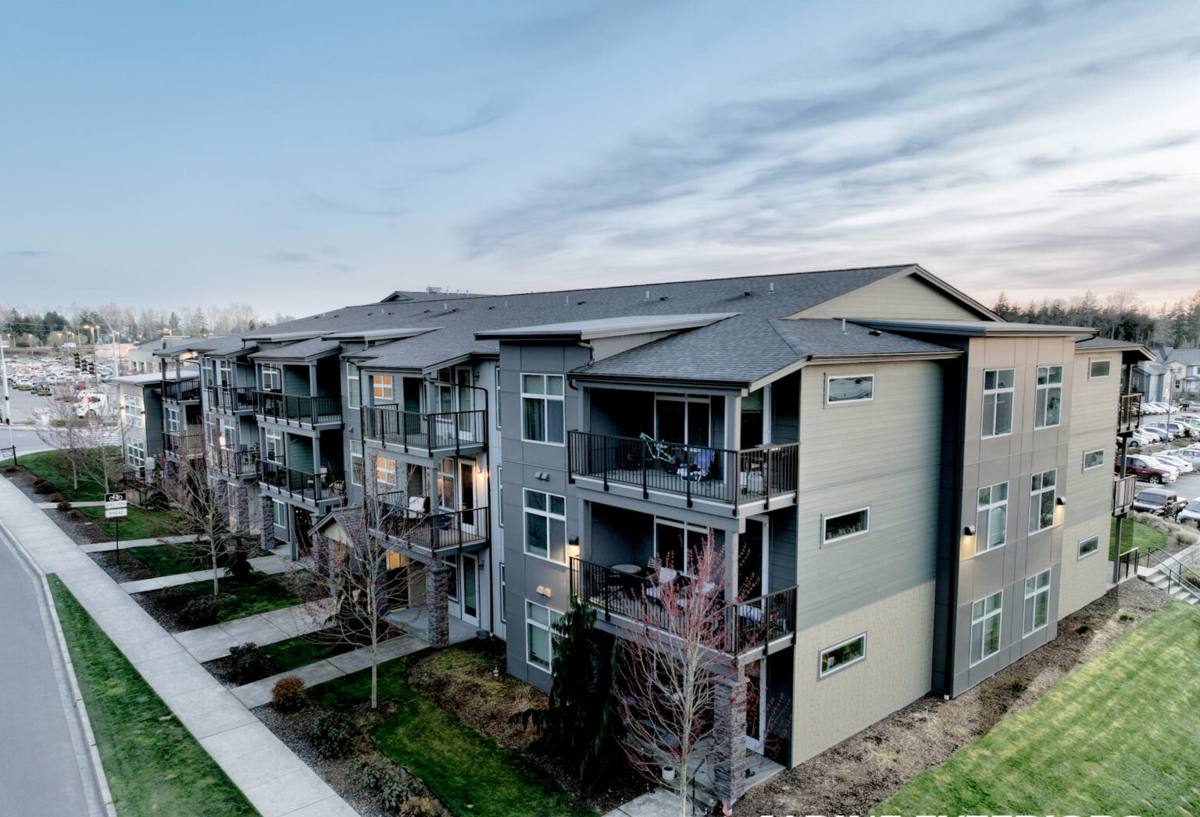
 Birch Bay Exterior
 Windows Built for the Nooksack Side of Birch Bay
Homes in the Nooksack area near Birch Bay sit in a stretch of Whatcom County where the weather doesn't do anything by halves. You get salt-laden air blowing in off the bay, long stretches of driving rain through fall and winter, and a moss season that seems to start earlier every year. Windows out here work harder than they do almost anywhere else in the state, and it shows. Old aluminum-frame single-panes fog up, seals fail early, and frames pit and corrode faster than manufacturers ever expect in their warranty paperwork.
When we talk about "energy-efficient windows" for this neighborhood, we're not just talking about a lower heating bill, though that matters. We're talking about windows that hold their seal through a wet Whatcom County winter, resist the corrosive effects of salt air, and don't turn into a condensation and mold problem on the interior sill every time the temperature drops. That's a different design conversation than what you'd have with a homeowner in Spokane or even in downtown Bellingham a few miles inland.
What the Local Climate Actually Does to Windows
Salt Air and Metal Fatigue
Proximity to Birch Bay and the Strait of Georgia means airborne salt is a constant, low-grade presence. It settles on window hardware, weep holes, and frame fasteners. Over years, that accelerates corrosion on anything that isn't rated for coastal exposure — cheap aluminum cladding, unprotected steel screws, and lower-grade hardware all degrade faster here than the national averages you'll find printed on most manufacturer spec sheets.
Driving Rain and Wind-Driven Water
Storms coming off the water don't just fall straight down — they push rain sideways into window assemblies. That means flashing details, sill pans, and drainage paths matter more here than in a drier or more sheltered inland location. A window that's perfectly fine in a low-wind climate can leak within a few seasons if it's installed without proper water management in a spot exposed to Birch Bay's weather patterns.
Moss, Moisture, and Slow-Drying Surfaces
The same damp, shaded conditions that grow moss on roofs and siding also keep window sills and frame exteriors wet longer after every rain. Wood components that aren't properly sealed or that use lower-grade finishes start to soften and rot from the outside in, often before a homeowner notices anything from inside the house.
Signs Nooksack-Area Homeowners Should Watch For
- Visible condensation or fogging between the panes of a double-pane window — a sign the seal has failed
- Soft or discolored wood at the sill or bottom corners of the frame
- Drafts you can feel near the frame even with the window fully latched
- Difficulty opening, closing, or locking windows that used to operate smoothly
- Visible corrosion or chalky white buildup on aluminum frames or hardware
- Noticeably higher heating costs compared to similarly sized homes nearby
- Musty smell or visible mold growth on interior trim around the window
What a Correctly Installed Energy-Efficient Window Involves
Swapping in a new window unit is the easy part. The work that actually determines whether the window performs for the next twenty-plus years happens around it.
Frame and Glass Selection
For this area, we lean toward vinyl or fiberglass frames with corrosion-resistant hardware, and glass packages with a low-E coating and argon or krypton gas fill appropriate for our climate zone. The goal is a window that keeps heat in during the winter and doesn't let excess solar gain turn a south-facing room into a greenhouse during our brief but real summer stretches.
Flashing and Water Management
Given how much wind-driven rain this area sees, the flashing and sill pan details are non-negotiable. Water needs a clear path out of the assembly, not into your wall cavity. We integrate the window flashing with the existing weather-resistive barrier so water sheds outward at every layer, not just at the surface caulk line.
Air Sealing and Insulation
Gaps around the rough opening are where a lot of heat loss actually happens — not through the glass itself. Proper low-expansion foam or backer rod and sealant around the perimeter closes those gaps without bowing the frame out of square, which is a common mistake with rushed installs.
Interior and Exterior Finish Work
Trim, caulking, and paint or stain need to be finished in a way that sheds water and doesn't trap moisture against wood components. This is especially important for homes with wood trim exposed to the elements on this side of Birch Bay.
Comparing Frame Materials for Coastal Whatcom County Conditions
| Frame Material | Salt Air Resistance | Maintenance | Typical Lifespan |
|---|---|---|---|
| Vinyl | Good — won't corrode, minimal upkeep | Low | 20-30 years |
| Fiberglass | Excellent — very stable, resists warping and corrosion | Low | 30-40+ years |
| Wood (clad or unclad) | Fair to good if properly maintained; unclad exteriors need regular attention | High | 15-25 years without diligent upkeep |
| Uncoated Aluminum | Poor — prone to pitting and corrosion near the coast | Moderate to high | Varies widely; often shorter near saltwater |
We're upfront with homeowners about these trade-offs. Wood-framed windows can look great and perform well, but they demand a real maintenance commitment in a climate this wet. Uncoated aluminum is generally not something we recommend for homes this close to the bay — not because it's a bad product everywhere, but because salt air exposure works against its long-term durability faster than most manufacturers' general climate assumptions account for.
Our Process for Nooksack-Area Window Projects
1. On-Site Assessment
We walk the exterior and interior of each window opening, checking for existing water damage, rot, drafts, and how the current windows are performing. This tells us whether we're doing a straightforward replacement or need to address underlying sheathing or framing issues first.
2. Product Selection Based on Exposure
Windows on the bay-facing or wind-exposed side of a home may get a different glass package or hardware spec than windows on a sheltered side. We match the product to each opening's actual exposure rather than treating every window on the house the same.
3. Proper Removal and Opening Prep
We inspect the rough opening once the old window is out — this is often the only time anyone gets a clear look at the sheathing and framing behind it. Any soft wood or compromised flashing gets addressed before the new window goes in, not covered over.
4. Installation with Coastal-Grade Water Management
Sill pans, flashing tape, and integration with the existing weather barrier are done to shed water outward, accounting for the wind-driven rain typical of this part of Whatcom County.
5. Finish and Walkthrough
We finish interior and exterior trim, test operation and locking hardware, and walk the homeowner through care and maintenance specific to their new windows and their site conditions.
Why Local Experience Matters Here
A crew that mostly works inland or in drier parts of the state can install a technically correct window and still get it wrong for this location — the wrong glass spec for solar exposure, hardware that isn't rated for salt air, or flashing details that don't account for how hard the rain comes in sideways during a real Birch Bay storm. Crews that already work this stretch of coastline know which details aren't optional here, because they've seen what happens when those details get skipped: failed seals in half the expected time, corroded hardware within a few winters, and sills that rot from moisture nobody planned for.
Whatcom County's coastal microclimates vary meaningfully over short distances, and a crew with regular experience in the Birch Bay and Nooksack area brings pattern recognition you don't get from a one-off job. That translates into fewer callbacks and windows that actually deliver the energy savings and comfort they're sold on.
A Practical Checklist Before You Commit
- Ask what frame material and glass package is recommended for your specific exposure, not a generic house-wide default
- Confirm sill pan flashing and water management details are part of the installation, not an optional add-on
- Ask how the crew handles rot or damage discovered once old windows are removed
- Get manufacturer warranty details in writing, including what voids coverage
- Ask about typical timelines given weather — driving rain can delay exterior work in this area
- Confirm whether trim, caulking, and paint/finish work are included in the quoted price
What This Means for Your Energy Bills
Old, leaky, or failed-seal windows are one of the more direct paths to higher heating costs in a home this close to the water, where wind adds to the effective heat loss through any gap or poor seal. A properly installed, correctly specified window package won't eliminate a heating bill, but it removes one of the biggest sources of unnecessary loss — and it does it without creating new moisture problems, which is the trade-off some cheaper or improperly installed replacement jobs quietly introduce.
If your windows are showing their age or you're just planning ahead for the next storm season, we're happy to take a look and give you a straightforward, no-pressure estimate. Use the form below to get in touch and we'll schedule a time to assess your home's specific exposure and needs.