 Birch Bay Exterior
 Storm Damage Roof Repair for Cottonwood Beach Homes
Cottonwood Beach sits close enough to the water that every roof up here takes a different kind of beating than a roof twenty minutes inland. Wind off the Strait, driving rain that comes in sideways more often than straight down, and salt-laden air that never really lets a roof dry out completely — it's a tough combination, and it shows up in the repair calls we get from this stretch of the Birch Bay area. If you've had a storm come through and you're seeing a stain on the ceiling, missing shingles, or a soffit that's suddenly flapping in the wind, this page is about what an honest, correctly done storm repair looks like for a home in this specific location.
We're not going to tell you every storm-damaged roof needs a full tear-off. Most don't. But we are going to tell you that a repair done without understanding how this coastline behaves — the wind direction, the moisture load, the moss pressure — tends to fail again within a season or two. That's the gap we're trying to close.
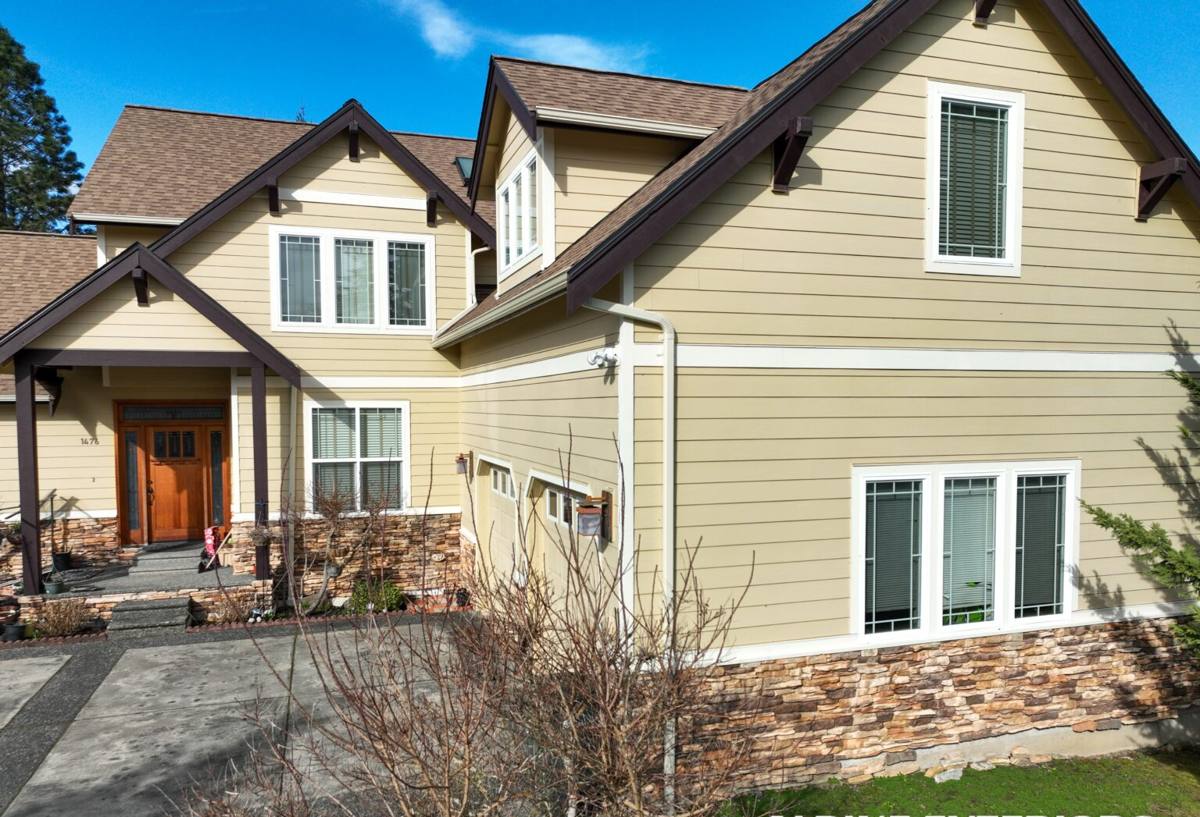
Why Cottonwood Beach Roofs Take Different Damage
Wind-driven rain and exposure
Homes closer to the water get more direct exposure to wind gusts coming off the Strait of Georgia and Birch Bay itself. That wind doesn't just push rain onto a roof — it pushes it up and under the roofing material at eaves, ridges, and any spot where a shingle or flashing edge has lifted even slightly. A storm repair that only patches the visible tear without checking what's happening under the surrounding courses is a repair that's going to leak again in the next windstorm.
Salt air and material fatigue
Salt air accelerates corrosion on exposed metal — nail heads, flashing, gutter fasteners, vent stacks. After a storm knocks something loose, we're not just looking at the immediate damage; we're checking the metal components around it for pitting or early rust that means they'll fail again soon even if today's repair holds.
The long moss season
This part of Whatcom County stays damp for a long stretch of the year, and moss doesn't need much encouragement to take hold on north-facing slopes and anywhere debris collects. Moss holds moisture against the roofing surface, lifts shingle edges over time, and — this is the part that matters after a storm — hides the boundary between old, moss-compromised roofing and the fresh damage you're trying to fix. A repair crew that doesn't account for moss undermining the surrounding material will sometimes patch a hole while missing the fact that the shingles six inches away are already failing underneath the moss mat.
What Storm Damage Actually Looks Like Up Here
Not every storm-damaged roof announces itself with a hole. In Cottonwood Beach and the surrounding Birch Bay shoreline, we see storm damage show up as:
- Shingles that are cracked, curled, or torn loose but still technically "in place" — easy to miss from the ground
- Lifted or bent flashing around chimneys, vents, and roof-to-wall transitions where wind got underneath
- Granule loss on asphalt shingles from wind-driven grit and debris, which shows up as bald patches
- Soffit or fascia damage where wind pressure pulled fasteners loose
- Gutters pulled away from the fascia, which redirects water back up under the roof edge instead of away from the house
- Ceiling stains that appear days or even weeks after the actual storm, once enough water has worked its way through
That last point is worth sitting with. Storm damage repair calls we get in this area often come in well after the wind event itself, once a slow leak has had time to show a stain. That delay is normal — it doesn't mean the damage is new, and it doesn't mean it's minor.
Our Storm Repair Process
1. Assessment before assumptions
We inspect the full roof, not just the spot you called about. Given how wind moves across roofs near the water, damage from a single storm is rarely isolated to one location — the same gust that tore a shingle on one slope often lifted flashing somewhere else on the same pass.
2. Honest scope, in writing
We tell you plainly whether this is a targeted repair, a repair plus a moss/moisture remediation step, or a situation where the roof's age means a repair is a short-term fix and a fuller conversation about replacement is worth having. We'd rather tell you that up front than have you pay twice.
3. Repair matched to local exposure
Flashing and fastener choices, underlayment at repaired sections, and how we tie new material into old — all of it accounts for the fact that this roof sits in a higher wind and salt-air exposure than a typical inland repair. A patch that would hold fine twenty miles inland isn't automatically the right patch for a home exposed to Birch Bay's wind pattern.
4. Cleanup that includes the surrounding area
If moss contributed to the damage or is present nearby, we address it as part of the job rather than leaving it to compromise the new work in a year.
Repair vs. Replacement: What Actually Determines It
| Factor | Leans toward repair | Leans toward replacement |
|---|---|---|
| Extent of damage | Isolated to one section or slope | Multiple areas affected, or damage found across several storms |
| Roof age | Well within expected service life | Already near or past typical lifespan for the material |
| Underlying condition | Surrounding shingles and decking are sound | Moss damage, soft decking, or granule loss found nearby |
| Storm frequency | First significant damage in years | Repeat repair calls to the same roof each storm season |
| Flashing and metal condition | Minimal corrosion, fasteners solid | Visible rust, pitting, or loose fastening throughout |
None of these factors decide anything on their own — it's the combination that tells you which direction makes sense. Part of an honest assessment is walking through this table with you rather than defaulting to whichever option is more profitable for us.
What a Correct Storm Repair Involves
A repair that actually holds up through the next Birch Bay storm season generally includes:
- Removing damaged material back to sound decking and roofing, not just covering over the visible tear
- Checking and, where needed, replacing underlayment at the repair site so water can't track sideways under adjacent shingles
- Matching or upgrading flashing at any transition point affected — chimneys, vents, walls, valleys
- Re-securing fasteners to current wind-exposure standards, not just replacing what was there
- Tying the new material into the surrounding roof so there isn't a fresh seam that becomes the next weak point
- Checking gutters and downspouts in the repair area, since a detached gutter will undo a good roof repair by backing water up under the edge
Why Hiring a Crew That Already Works Cottonwood Beach Matters
A roofer who mostly works inland has to relearn coastal wind and salt exposure on your roof, on your dime. A crew that already works this stretch of the Birch Bay shoreline knows which slopes typically take the worst wind-driven rain, how aggressively moss builds on shaded, damp sections here, and what flashing and fastening actually holds up to repeated salt-air exposure over years — not just what passes inspection the day it's installed.
That local pattern recognition is the difference between a repair that's cosmetically fine today and one that's still watertight after next winter's storms.
What to Do Right After a Storm
- Check ceilings and attic spaces for new staining, even faint discoloration
- Look at gutters and downspouts from the ground for detachment or sagging
- Note any debris on the roof or in the yard that could indicate impact damage
- Avoid climbing onto a wet or wind-damaged roof yourself — loose material and slick surfaces are a real fall risk
- Call for an assessment sooner rather than later; a small leak found early is a patch, the same leak found in three months is often a decking repair
A Note on Cost
Storm repair pricing varies with the extent of damage, how much flashing and decking work is involved, and whether moss remediation is part of the job. A single-section shingle and flashing repair is a modest job; anything involving decking replacement or multiple roof planes costs more. We give a written estimate after inspection rather than a number over the phone, because guessing at scope before we've been on the roof does you no favors.
If you're dealing with storm damage on a Cottonwood Beach or Birch Bay-area roof, we're glad to come take a look. The estimate is free, there's no pressure attached to it, and you'll get a straight answer about whether you're looking at a repair or something bigger — just fill out the form below to get started.