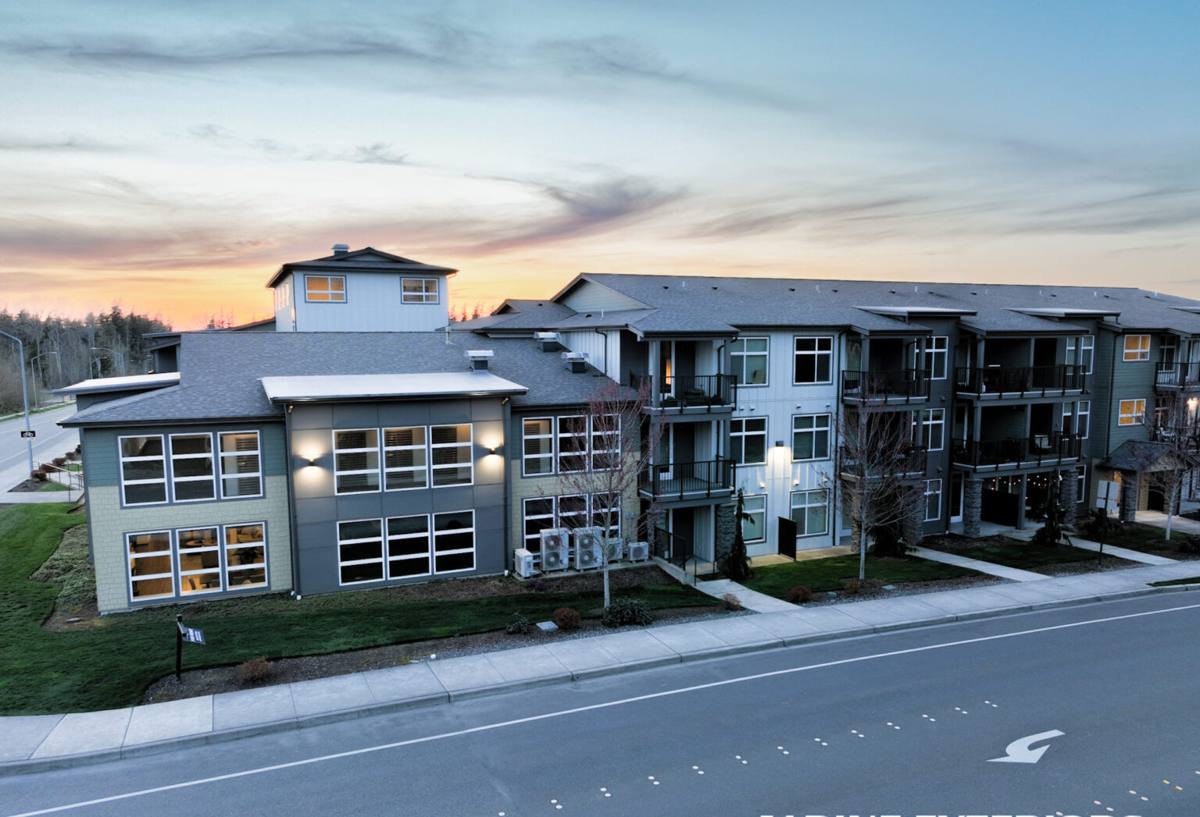
 Birch Bay Exterior
 Why California Creek Roofs Wear Out Faster Than the Manufacturer's Warranty Suggests
If you own a home in the California Creek area near Birch Bay, you've probably noticed your roof doesn't age like the ones in the brochure. Whatcom County's marine climate is hard on roofing in ways that inland installations never have to deal with. The proximity to Birch Bay and the Strait of Georgia means salt-laden air moves through the area regularly, and that air interacts with metal fasteners, flashing, and even the mineral granules on asphalt shingles over time. Add in driving, wind-blown rain that comes in sideways during winter storms, plus tree cover that keeps roofs shaded and damp for long stretches, and you get a recipe for accelerated wear — moss colonization, granule loss, soft decking, and premature flashing failure — well before a shingle's rated lifespan runs out.
None of this means a roof here is doomed to fail early. It means the installation has to account for these conditions from day one, not as an afterthought. A roof built the same way you'd build one in a dry inland climate will underperform in California Creek, even if every product used is top quality.
The Local Conditions We Design Around
Salt Air and Corrosion
Homes closer to the water see faster corrosion on exposed metal — nails, flashing, gutter hardware, and vent caps. Standard electro-galvanized fasteners can start showing rust streaks on a roof within a few years in this environment. We adjust fastener and flashing material selection based on how close a property sits to the bay and how exposed the roof plane is to prevailing wind off the water.
Driving Rain and Wind-Driven Moisture
Storms here don't just drop rain straight down — wind pushes it sideways and up under shingle edges, ridge caps, and around penetrations like vent pipes and chimneys. A roof that only handles vertical rainfall well will still leak in this climate. Proper installation depends on how every lap, seam, and penetration is sealed and shingled, not just on the shingle brand.
Moss and Shade
Tree cover throughout the California Creek area keeps a lot of roof surfaces shaded well into the afternoon, which slows drying after every rain event. Moss and algae take hold in that moisture, working into shingle edges and lifting tabs, which is exactly where wind-driven rain finds its way in. A roof surrounded by trees needs different ventilation and material choices than an open, sun-exposed roof a few miles inland.
Repair or Full Replacement? How to Tell
Not every aging roof in this area needs a full tear-off. But a lot of homeowners spend money patching a roof that's past the point where repair makes financial sense. Here's how we evaluate it:
- Widespread granule loss (visible bald patches or heavy grit in gutters) usually means the shingles are past their protective life, not just cosmetically worn.
- Soft or spongy decking under foot, or sagging between rafters, points to moisture that's already gotten past the roofing surface.
- Moss established under shingle tabs (not just on the surface) has usually already lifted the shingle enough to let water in.
- Multiple isolated leaks in different areas of the roof, rather than one clear source, usually means the underlayment and flashing system is failing broadly, not just at one spot.
- A roof already carrying two layers of shingles cannot legally or practically be re-covered again — it needs a full tear-off regardless of surface condition.
If a roof is showing one or two of these signs isolated to a small area, targeted repair can still buy years of life. Once several of these show up together, replacement is almost always the more economical path — repeated repairs on a failing roof system cost more over time than one correctly installed new roof.
What a Correct New Roof Installation Actually Involves Here
A new roof is more than laying new shingles over what's there. In this climate especially, the work that happens before and beneath the visible roofing surface is what determines whether the roof performs for its full expected life.
Full Tear-Off and Deck Inspection
We remove existing roofing down to the deck on every full replacement. This lets us inspect the sheathing for rot, soft spots, or delamination — common where moss and shaded moisture have been sitting against the deck for years. Any compromised sheathing gets replaced before anything new goes down; installing new roofing over bad decking just hides a problem that will resurface as a leak or sag later.
Ice and Water Barrier at Vulnerable Areas
Eaves, valleys, and areas around chimneys and skylights get a self-adhering waterproof membrane underneath the primary underlayment. This is the backup layer that keeps water out even if wind-driven rain gets past the shingle surface — the single most important defense against the kind of sideways rain this area sees regularly.
Synthetic Underlayment Across the Field
We use synthetic underlayment rather than older felt products for the full roof deck. It holds up better to the repeated wet-dry cycling typical of this climate and gives an extra layer of protection during the installation window itself, when a roof deck can be exposed to weather for a day or more.
Flashing Detail Work
Step flashing at walls, counter-flashing at chimneys, and properly lapped flashing at valleys and penetrations are where most roof leaks actually originate — not in the open field of shingles. This is detail work that takes time to do correctly, and it's the part of a roofing job most likely to get rushed on a lower-cost bid.
Ventilation Balance
Intake at the eaves and exhaust at the ridge need to be balanced so air actually moves through the attic space. Poor ventilation traps moisture, which shows up as premature deck rot from the underside and speeds up moss growth on the topside because the roof surface stays cooler and damper longer.
Material Comparison for This Climate
There's no single "best" roofing material for every California Creek home — it depends on tree cover, budget, roof pitch, and how long you plan to own the home. Here's how the common options actually compare in this specific climate:
| Material | Moss/Moisture Resistance | Salt Air Durability | Typical Lifespan Here | Relative Cost |
|---|---|---|---|---|
| Standard architectural asphalt shingle | Moderate — needs algae-resistant granules and clear surroundings | Good with corrosion-resistant fasteners | 20-25 years | $ |
| Algae-resistant (AR) shingle | Better — copper/zinc granules actively resist moss and algae growth | Good | 25-30 years | $$ |
| Standing seam metal | Excellent — sheds moisture fast, little surface for moss to grip | Very good with proper coating and fastener choice | 40-50+ years | $$$ |
| Synthetic/composite shingle | Good to very good depending on product | Good | 30-40 years | $$$ |
For heavily shaded California Creek lots, we usually steer homeowners toward algae-resistant shingles or metal, since moss control matters more here than on an open, sun-exposed roof. For homes closer to the water where salt exposure is the bigger factor, fastener and flashing material selection matters as much as the roofing surface itself.
Our Installation Process
- On-site inspection and estimate. We walk the roof, check the attic from inside if accessible, and note tree cover, drainage, and existing damage before quoting anything.
- Material selection. We go over the trade-offs above based on your specific property, budget, and how long you plan to stay in the home.
- Permitting. Whatcom County roofing permits are pulled before work begins — this isn't optional paperwork, it protects you if there's ever an insurance question down the road.
- Tear-off and deck inspection. Old roofing comes off, decking gets inspected and repaired as needed.
- Underlayment and ice/water barrier installation. The waterproofing layers go down before a single shingle or panel is installed.
- Flashing and ventilation installation. All penetrations, valleys, and edges get properly flashed; intake and exhaust ventilation is installed or corrected.
- Roofing material installation. Shingles, metal, or composite panels go on to manufacturer spec, which matters for warranty coverage.
- Cleanup and magnetic sweep. Full site cleanup including a magnetic nail sweep of the yard and driveway.
- Final walkthrough. We go over the finished roof with you before calling the job complete.
Questions Worth Asking Before You Sign a Contract
A lot of roofing disputes in this area trace back to details that were never nailed down before work started. Before hiring anyone for a California Creek roof, confirm these in writing:
- Is a full tear-off included, or is this a re-cover over existing layers?
- What underlayment and ice/water shield products are being used, and where specifically will they be installed?
- What fastener and flashing materials are specified, given the site's exposure to salt air?
- Is the current ventilation being evaluated and corrected as part of the job, or left as-is?
- Are Whatcom County permits included in the quoted price?
- What does the workmanship warranty cover, separate from the manufacturer's material warranty, and for how long?
- Who handles deck repair if rot is found once tear-off starts, and how is that priced?
A contractor who answers these clearly and specifically, before you sign anything, is telling you a lot about how the actual job will go.
Why a Crew That Already Works California Creek Matters
Roofing crews that mostly work drier, inland areas don't always adjust their default practices for this environment — they may use standard fasteners where corrosion-resistant ones are warranted, or skip the extra ice-and-water coverage that this much wind-driven rain calls for. A crew that regularly works Birch Bay and the surrounding Whatcom County waterfront communities knows which details matter here because they've seen what happens when they're skipped — the callback for the leak at the chimney flashing, the moss that comes back within two seasons because ventilation wasn't corrected, the fastener rust stains showing up on a roof that's barely five years old.
Local crews also know the county permitting process, understand typical lot layouts and tree cover patterns in the area, and can respond faster if a storm causes damage between scheduled visits. That local familiarity isn't a marketing point — it's the difference between a roof installed to a generic spec and one installed for the specific conditions it has to survive.
Protecting Your New Roof After Installation
A correctly installed roof still benefits from basic upkeep in this climate. Keep gutters and downspouts clear so water isn't backing up under the eave edge. Trim back tree limbs that overhang the roof to reduce shading and debris buildup, both of which encourage moss. A light annual check for moss regrowth, especially on north-facing or heavily shaded slopes, catches problems while they're still a simple treatment rather than a shingle-lifting issue. None of this is expensive or time-consuming, but skipping it is the most common reason a well-installed roof underperforms its expected lifespan.
If your California Creek home's roof is showing wear, or you're just not sure whether repair or replacement makes sense right now, we're glad to take a look. Reach out for a free, no-pressure estimate using the form below — we'll give you a straight assessment based on what your roof actually needs, not a generic sales pitch.