 Birch Bay Exterior
 Windows for the California Creek Microclimate
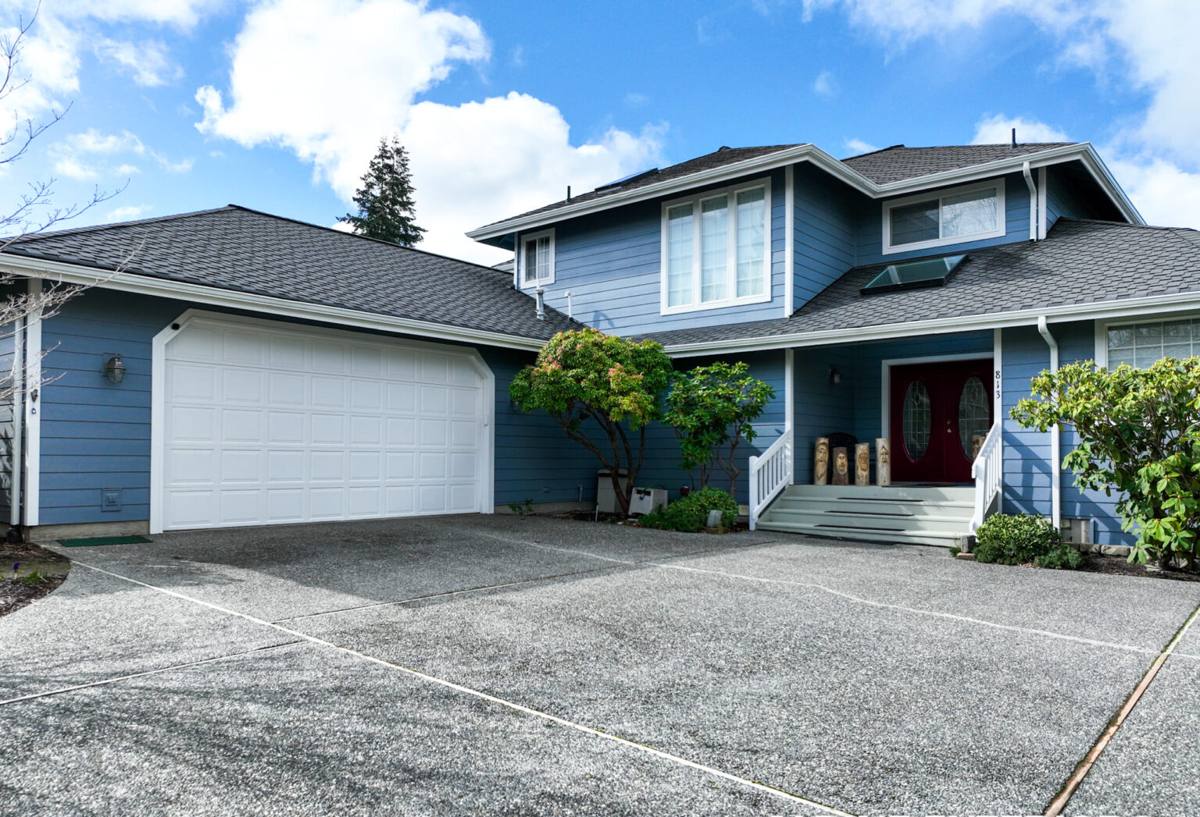
Homes along California Creek sit close enough to Birch Bay and the Strait of Georgia that the weather here behaves differently than it does even a few miles inland. Salt-laden air moves in off the water, driving rain comes in sideways more often than straight down, and the tree cover that makes this stretch of Whatcom County so pleasant also means a long, damp moss season that keeps siding, trim, and window sills wet for weeks at a time. Windows here don't fail because they're old — they fail because they were never built or installed for this specific combination of salt exposure, wind-driven moisture, and shade.
We install and replace energy-efficient windows for homes in and around California Creek regularly, which means we already know which failure patterns show up in this neighborhood before we even get on site. That local knowledge changes what we look for during the estimate and how we detail the installation.
What Salt Air and Driving Rain Actually Do to a Window
It helps to understand the mechanics of why coastal Whatcom County is harder on windows than a typical inland installation.
Salt Air
Airborne salt is corrosive to unprotected metal hardware — hinges, cranks, balance mechanisms, and screws. On lower-quality windows, hardware corrosion is usually the first thing to go, often years before the glass or frame shows any problem. It also accelerates the breakdown of poor-quality seals and finishes over time.
Driving Rain
Wind off the water pushes rain sideways and upward under sills and around trim, rather than letting it simply run down the face of the house. A window that would perform fine in a calm, dry climate can leak here if the flashing and sill pan detailing weren't built to handle water being pushed into the opening rather than just down it.
Moss Season
Shaded, tree-lined lots hold moisture longer. Sills, trim, and the wood framing around a window opening can stay damp for extended stretches, which is exactly the condition that lets rot take hold if the opening wasn't properly flashed and sealed when the window went in.
What a Correct Energy-Efficient Window Installation Involves
The window unit itself is only part of the equation. Most window failures we see — fogged glass, soft sills, drafts, water stains on interior trim — trace back to installation shortcuts, not the window product itself. A correct job includes:
- Removing the old unit and inspecting the framing and sill for hidden rot or water damage before anything new goes in
- Installing a proper sill pan to direct any water that gets past the window back outside instead of into the wall cavity
- Flashing tape and house wrap integration detailed in the correct shingle-lap order, so water sheds down and out at every layer
- Backer rod and quality exterior sealant at the perimeter, sized and applied for real joint movement, not just caulked over gaps
- Shimming and fastening per the manufacturer's specification so the frame isn't racked or bowed, which is what causes premature seal failure and hardware binding
- Interior air sealing with low-expansion foam or backer rod, not just insulation stuffed into the gap
Skip any one of these steps and the window can look fine for a year or two before the real problem — usually water intrusion at the sill or jamb — starts showing up as soft trim, peeling paint, or a musty smell near the window.
Choosing the Right Glass Package and Frame Material
For homes near California Creek, we generally steer homeowners toward frame and glass combinations that hold up to salt exposure and reduce the condensation issues that shaded, damp lots tend to produce. There's no single "best" answer for every home — it depends on sun exposure, budget, and how close the home sits to the water — but here's how the common options compare for this specific environment.
| Frame Material | Salt Air Performance | Maintenance | Notes for This Area |
|---|---|---|---|
| Vinyl | Good — won't corrode or rust | Low | Most cost-effective; verify the corner welds and reinforcement on larger openings facing the water |
| Fiberglass | Excellent — very stable in temperature and moisture swings | Low | Higher upfront cost, but holds paint and finish well in damp, shaded conditions |
| Aluminum | Poor without a marine-grade finish | Moderate to high | Prone to condensation and corrosion issues in this climate unless thermally broken and properly coated |
| Wood / Wood-Clad | Fair — needs a durable exterior cladding | High | Attractive interior option, but the exterior face needs real protection from driving rain and moss-season dampness |
Glass Packages
For this area, we typically recommend double or triple-pane units with a low-E coating tuned for the Pacific Northwest's mostly overcast, moderate climate — prioritizing heat retention over solar heat rejection, since sun load isn't the main issue here the way it is in hotter regions. Argon or krypton gas fill between panes improves the insulating value, and a warm-edge spacer system resists the seal breakdown that leads to fogged glass, which we see more of in shaded, humid microclimates like this one than in drier parts of the county.
Our Process, Start to Finish
- On-site estimate: We look at every opening individually — sun exposure, wind direction, existing sill condition — not just a blanket quote for "windows."
- Product selection: We walk through frame and glass options against your budget and how exposed the home is to wind and rain.
- Removal and inspection: Old windows come out carefully so we can check the framing underneath before it's covered back up.
- Installation: Sill pan, flashing, shimming, and sealing done in the correct order — not shortcuts to save an hour on a job.
- Final check: Operation, seal, and weatherproofing verified before we consider the job done, with cleanup of the work area.
Signs a California Creek Home May Need New Windows
Not every issue means full replacement — sometimes it's a sealant or hardware repair. But if you're noticing several of these together, it's worth having someone look:
- Visible fog or moisture trapped between panes of glass
- Windows that are difficult to open, close, or lock, especially on the sides facing prevailing wind
- Drafts you can feel near the frame even when the window is fully closed
- Soft, discolored, or bubbling paint on interior or exterior sills and trim
- Visible corrosion or rust staining on hardware, hinges, or cranks
- A musty smell near a window that doesn't go away with cleaning
- Noticeably higher heating bills without another clear explanation
- Moss or persistent green staining building up on sills or exterior trim
Why It Matters to Hire a Crew That Already Works This Area
Window installation technique that works fine in a dry inland climate isn't automatically the right approach a few blocks from Birch Bay. A crew that hasn't worked this specific stretch of coastline may not think twice about sill pan detailing or corrosion-resistant hardware, because inland they can usually get away without it. We work in this area regularly, so those aren't afterthoughts — they're standard practice on every install, because we've seen firsthand what happens to a window opening that wasn't detailed for salt air and driving rain.
That local pattern-recognition also shows up during the estimate. We know to check sills that face the prevailing wind more closely, to ask about shade and moss buildup on a lot, and to flag framing that's likely seen hidden moisture over the years — before it becomes a surprise mid-installation.
Living With Energy-Efficient Windows Here Long-Term
Even a correctly installed window benefits from a little seasonal attention in this climate. A quick annual check goes a long way:
- Clear moss, leaves, and debris off sills and tracks before wet season sets in
- Rinse accumulated salt residue off exterior frames and hardware periodically, especially on wind-facing sides
- Check exterior caulking annually for cracking or gaps and have it addressed before it becomes a leak
- Operate hardware through a full open-close cycle occasionally so cranks and locks don't seize up from disuse
None of this is difficult, but skipping it is how a well-installed window ends up with an avoidable problem five or ten years down the road.
Get a Straight Answer for Your Home
If you're dealing with drafts, fogged glass, or sticking windows in your California Creek home, or you're just trying to figure out whether repair or replacement makes more sense, we're happy to take a look. We'll give you a clear, no-pressure estimate based on what your specific windows and openings actually need — not a generic package. Reach out using the form below to get started.