 Birch Bay Exterior
 Windows That Have to Work Against Blaine's Weather
Blaine sits right on the water at the top of Whatcom County, which means homes here take a different kind of beating than houses even a few miles inland. Salt-laden air off Semiahmoo Bay and the Strait of Georgia works into window frames, hardware, and seals year-round. Add driving rain that comes in sideways during winter storms, plus a moss season that can stretch from October through May in shaded, north-facing exposures, and you've got a climate that finds every weak point in a window within a few years instead of a few decades. We see it constantly: pitted aluminum frames, swollen wood sashes, hardware that's seized or corroded, and glass units that have fogged from a failed seal. None of that is a knock on the homeowner — it's just what this stretch of coastline does to lower-grade windows and installations that weren't detailed for it.
A correct window replacement in Blaine isn't just about picking a new window off a brochure. It's about frame material, flashing detail, and sealant choices that account for the salt exposure and wind-driven rain this area gets, especially on west- and south-facing walls that catch weather straight off the water.
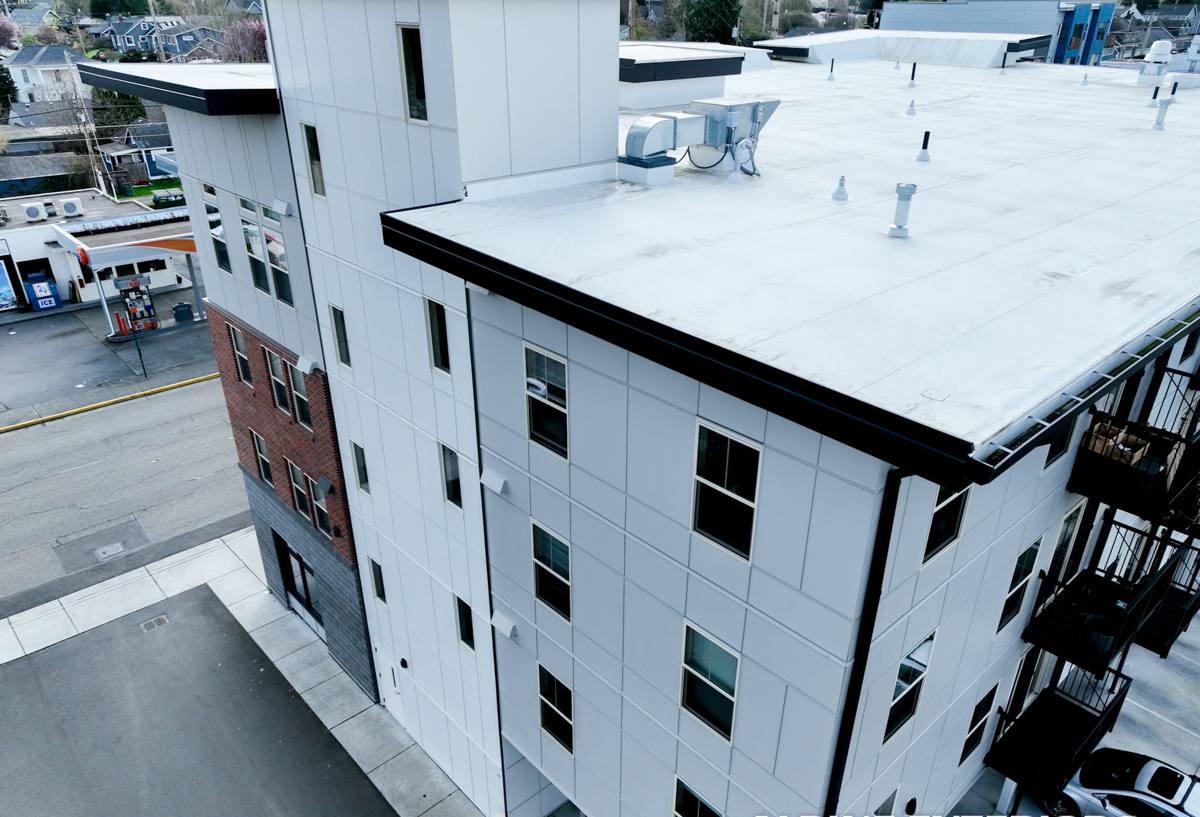
Signs a Blaine Home Needs Window Replacement, Not Just Repair
Not every window problem means full replacement. But in our experience working this area, certain symptoms almost always point to windows that have reached the end of their service life:
- Fogging or a visible haze between panes — the gas fill has failed and the seal is gone for good
- Frames that feel soft, spongy, or show dark staining, especially at the bottom corners
- Visible pitting or chalky white corrosion on aluminum frames (a classic salt-air symptom)
- Sashes that are hard to open, don't latch cleanly, or rattle in the wind
- Moss or dark streaking building up in the frame track or exterior trim
- Noticeable drafts or a cold radiating feeling near the glass on windy days
- Condensation forming on the inside of the glass regularly through fall and winter
If you're only seeing one or two of these on a single window, a repair or resealing may buy time. If it's showing up across several windows on the same exposure, that's usually a sign the whole batch is failing together — which is common, since windows installed at the same time from the same product line tend to age at the same rate.
What a Correct Window Replacement Actually Involves
It Starts Below the Surface
The window itself is only part of the job. What happens around it — flashing, house wrap integration, sealant, and backer rod — determines whether water stays out for the next 20+ years or finds its way into the wall cavity within a couple of winters. In a marine climate like Blaine's, we pay particular attention to:
- Removing old windows without tearing the surrounding weather barrier
- Inspecting the rough opening and sill for hidden rot or moisture damage before anything new goes in
- Installing proper sill pan flashing so any water that does get past the window drains back outside instead of into the framing
- Integrating flashing tape with the existing house wrap in the correct shingle-lap order (top layer overlapping the one below it)
- Using sealants and backer rod rated for exterior, UV, and salt exposure — not general-purpose caulk that chalks and cracks within a season or two
Then the Window Goes In
Once the opening is properly prepped, the window is set level, shimmed correctly so it doesn't bind or sag, and fastened per the manufacturer's specification — not just "close enough." Interior and exterior trim gets reinstalled or replaced, and everything is checked for smooth operation before we call the job done.
Frame and Glass Options Worth Considering Here
There's no single "best" window for every house, but some choices hold up noticeably better in Blaine's salt air and rain than others. Here's how the common options compare for this specific climate:
| Frame Material | Salt Air Performance | Maintenance | Notes for Blaine |
|---|---|---|---|
| Vinyl | Good — won't corrode or rust | Low | Solid value option; look for reinforced corners and marine-grade weatherstripping |
| Fiberglass | Excellent — very stable, resists warping | Low | Handles temperature swings and moisture well; a strong fit for exposed elevations |
| Aluminum (uncoated/older) | Poor — pits and corrodes near salt air | High | Common in older coastal homes; usually the first to show visible wear |
| Wood (unclad) | Poor without diligent upkeep | High | Beautiful but demands regular repainting/sealing to resist rot here |
| Wood-clad (aluminum or vinyl exterior) | Good | Moderate | Interior wood look with exterior protection; a common middle-ground choice |
On glass, we generally recommend dual-pane units with a low-E coating and argon fill for Whatcom County's climate — it helps with both heat retention in winter and condensation resistance, which matters when indoor humidity meets cold glass during our wetter months. For homes closer to the water or on exposed elevations, we'll also talk through impact-resistant or heavier-gauge glass options, since wind-driven debris during winter storms is a real consideration this close to the shoreline.
Our Process, Start to Finish
- Free on-site estimate — we walk the exterior and interior, check existing frames and sills for hidden moisture damage, and measure every opening
- Honest recommendation — we tell you which windows actually need replacing now versus which can wait, and why
- Written quote — clear pricing by window, material, and any additional flashing or repair work identified during inspection
- Scheduling — we plan around weather windows, since proper installation needs a dry opening to tie in flashing and sealant correctly
- Installation — removal, opening inspection and repair as needed, sill pan flashing, window set and shimmed, exterior/interior trim finished
- Final walkthrough — every window opened, closed, and locked in front of you before we consider the job complete
What Drives Cost on a Blaine Window Job
| Factor | Why It Matters |
|---|---|
| Number and size of windows | Larger openings and specialty shapes cost more in both material and labor |
| Frame material chosen | Vinyl typically costs less upfront than fiberglass or clad-wood options |
| Condition of the rough opening | Hidden rot or water damage found during removal adds repair time before the new window can go in |
| Exposure and elevation | Windows on water-facing or upper-story walls may call for extra flashing detail or access equipment |
| Glass package | Impact-resistant or upgraded low-E/argon glass adds cost but pays off in comfort and durability here |
| Trim and interior finish work | Matching existing trim profiles or repainting/staining affects labor time |
We don't give ballpark numbers over the phone for this reason — too much depends on what we find once the old window comes out. What we can tell you is that fixing a hidden moisture problem now is almost always cheaper than replacing rotted framing in a few years because it was sealed back up without being addressed.
Why a Crew That Already Works Blaine Matters
Window installation isn't the same job everywhere. A crew used to installing in a dry inland climate can do fine work there and still get caught out by Blaine's conditions — underestimating how much flashing detail a west-facing wall needs, or using a sealant that doesn't hold up to sustained salt exposure. Working this area regularly means we know which elevations tend to take the worst weather, what moss buildup usually indicates once we open a wall, and how to schedule installs around the rain patterns typical to this part of Whatcom County so the opening isn't sitting exposed longer than it needs to be.
It also means we're not guessing at product performance — we've seen how different frame materials and glass packages actually hold up a few years out on homes just like yours, not just what a spec sheet claims.
Keeping New Windows Performing Long-Term
A correct installation does most of the work, but a little homeowner upkeep goes a long way in this climate:
- Rinse frames and glass periodically to clear salt residue, especially after storms
- Keep an eye on exterior caulk lines and flag any cracking or gaps early
- Clear moss or debris from sills and tracks before it holds moisture against the frame
- Operate locks and hardware a few times a year so they don't seize from disuse
- Check weep holes (the small drainage openings at the base of the frame) stay clear so water can escape
If you're noticing drafts, fogged glass, or corrosion on your current windows, or you're just planning ahead for a home on this stretch of coastline, we're happy to take a look. The estimate is free, there's no pressure to move forward, and you'll get a straight answer about what your windows actually need — use the form below to get started.