 Birch Bay Exterior
 Windows in Blaine Take a Different Kind of Beating
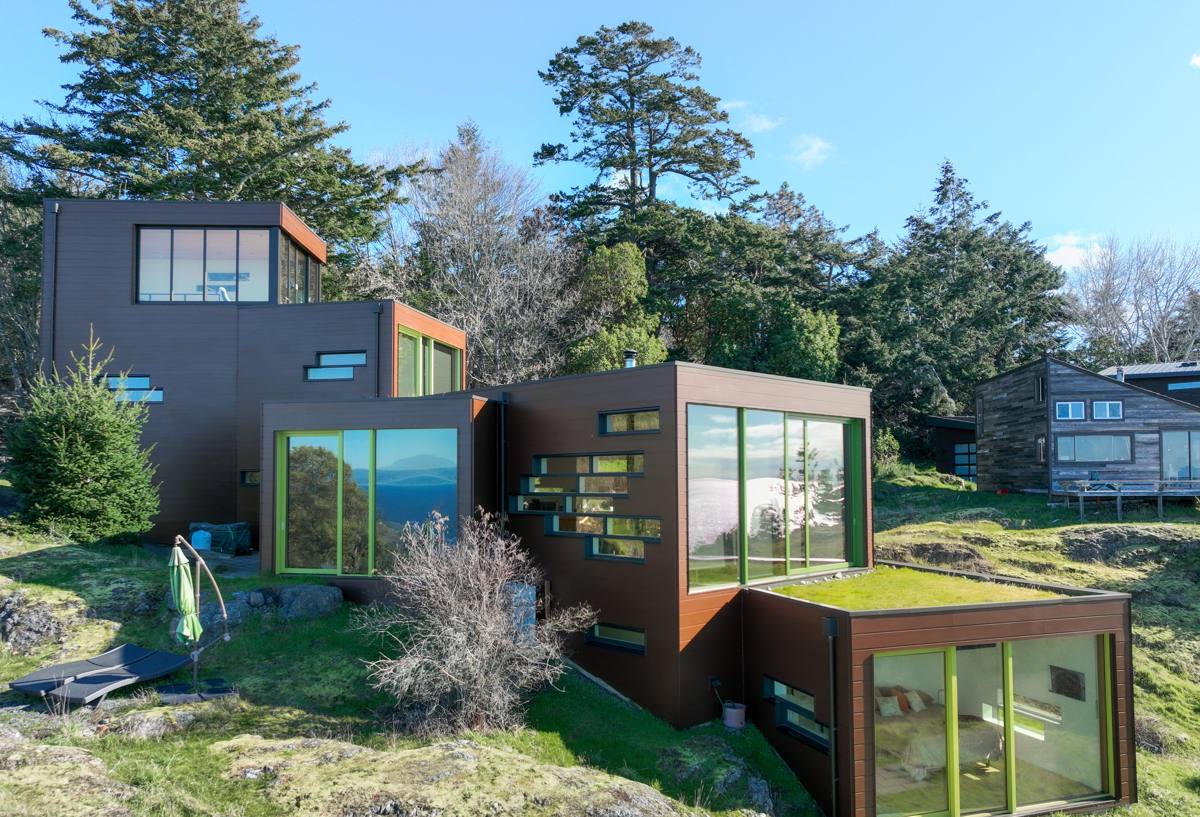
Blaine sits right up against Semiahmoo Bay and the Strait of Georgia, which means homes here deal with a combination of weather that inland Whatcom County properties simply don't see as often: salt-laden air off the water, wind-driven rain that comes in sideways during winter storms, and a long, damp moss season that keeps north-facing surfaces wet for weeks at a time. Windows are one of the first parts of a house to show the wear from that combination, and they're also one of the most expensive things to get wrong. A window that's a great fit for a dry inland lot in Sumas or Deming isn't automatically the right choice a few miles from the water in Blaine.
This page is about custom window installation and replacement specifically for Blaine homes — what the local climate actually does to windows over time, what a correct installation looks like in this environment, and how we approach the job when we know a house sits close to salt water.
What the Local Climate Actually Does to Windows
Salt Air and Metal Components
Salt in the air doesn't just sit on the glass — it settles into hardware, fasteners, and any exposed metal on a window frame. Over years, that accelerates corrosion on hinges, locks, balance mechanisms, and screen frames. Cheaper hardware finishes and untreated fasteners break down faster this close to the water than they would twenty or thirty miles inland. It's a slow process, which is exactly why it gets ignored until a lock seizes up or a hinge starts leaving rust streaks down the siding.
Driving Rain and Wind Pressure
Winter storms off the strait bring rain that doesn't just fall — it gets pushed sideways and upward under wind pressure, especially on exposed elevations. That kind of weather finds every weak point in a window installation: gaps in flashing, poorly sealed nailing fins, or trim that wasn't properly integrated with the house wrap. Water doesn't need a big opening to get in; it needs a path, and driving rain is very good at finding one.
Moss, Shade, and Prolonged Dampness
Whatcom County's long wet season keeps shaded and north-facing walls damp for extended stretches, and moss and algae growth around window trim and sills is common on older homes. Sitting moisture against wood trim or sills accelerates rot, and it's often the trim and sill — not the window unit itself — that fails first on an older installation.
None of this means Blaine homes need exotic or overbuilt windows. It means the material choices, the installation details, and the maintenance plan all need to account for a coastal, wet-winter climate instead of treating every window job the same.
What a Correct Custom Window Installation Involves
"Custom" windows means the units are built to the exact rough opening of your home rather than pulled off a shelf in a standard size — which matters a lot on older Blaine homes where original openings are rarely perfectly square or a stock size. But the window unit itself is only part of the job. A correct installation has three layers that all have to work together:
1. The Window Unit
Frame material, glazing package, and hardware selected for the specific wall, orientation, and exposure — a window on a water-facing wall may warrant different hardware or glazing than one on a sheltered elevation of the same house.
2. The Flashing and Weatherproofing
This is the layer most homeowners never see and most installation problems come from. Proper flashing integrates the window with the house wrap or building paper in the correct shingle-lap order — top flashing goes over the wrap, side and sill flashing go under it — so water is always directed outward and down, never trapped behind the siding. On a home exposed to driving rain, this detail matters more than which brand of window sits in the opening.
3. Sealants and Trim
Exterior sealant beads, backer rod where needed, and trim that sheds water rather than holding it against the wall. This is also where corrosion-resistant fasteners matter — stainless or coated fasteners hold up far longer near salt air than standard galvanized options.
Skipping or rushing any one of these three layers is how a brand-new window ends up with a moisture problem inside of a few winters. It's rarely the glass that fails first — it's the installation around it.
Choosing Frame Materials for a Blaine Home
There's no single "best" frame material for every house — the right choice depends on your budget, the window's exposure, and how much maintenance you want to take on. Here's how the common options generally hold up in a salt-air, high-moisture climate like Blaine's:
| Frame Material | Coastal Performance | Maintenance | Typical Trade-Off |
|---|---|---|---|
| Vinyl | Doesn't corrode; handles moisture well | Low — occasional cleaning | Lower cost, but limited color/finish options and can't be repainted |
| Fiberglass | Excellent — resists corrosion and expands/contracts closer to glass | Low | Higher upfront cost than vinyl |
| Aluminum | Strong but prone to corrosion near salt air unless well-coated | Moderate — watch for pitting/oxidation | Slim sightlines, but needs a quality marine-grade finish here |
| Wood / Wood-Clad | Classic look, but exterior wood is vulnerable to rot in prolonged damp | Highest — regular painting/sealing, especially on exposed sides | Best appearance for period homes, most upkeep near the water |
For homes with direct water exposure in Blaine, we lean toward vinyl or fiberglass for most walls, and we're careful about where we'll recommend wood exteriors — usually reserving them for sheltered elevations or pairing them with claddings that keep bare wood out of direct weather. This isn't a knock on wood windows; it's about matching maintenance expectations to how much upkeep a homeowner actually wants to sign up for.
Glazing and Hardware Choices That Matter Here
Beyond frame material, two other choices make a real difference in this climate:
- Dual-pane, low-E glass with argon fill — helps with both energy performance and condensation resistance during Whatcom County's cold, damp winters.
- Corrosion-resistant hardware — stainless steel or coated locks, hinges, and balance systems hold up far longer against salt air than standard-grade hardware.
- Weep hole design — properly placed and unobstructed weep holes let any water that does get into the frame drain back out instead of pooling.
- Screen frame material — aluminum screen frames near the water benefit from a quality powder-coat finish to resist pitting over time.
None of these add dramatic cost to a project, but they're the details that separate a window that still operates smoothly in ten years from one that starts sticking, fogging, or rusting at the hardware within a few winters.
Our Installation Process
- On-site assessment — we look at each opening individually: exposure to wind and rain, condition of existing framing and sheathing, and any signs of past water intrusion.
- Custom measurement and ordering — units are built to the actual opening, not a stock size, which matters most on older Blaine homes with settled or non-square framing.
- Removal and inspection — once old windows come out, we check the framing underneath for hidden rot or moisture damage before anything new goes in. This is often where problems from a previous installation surface.
- Flashing and weatherproofing — installed in the correct shingle-lap sequence with the house wrap, using materials suited to a coastal climate.
- Window installation and shimming — units are set plumb, level, and square, then fastened and sealed.
- Trim and finish work — exterior trim installed to shed water, with corrosion-resistant fasteners throughout.
- Final walkthrough — we check operation, seal lines, and drainage before we consider the job done.
Signs Your Current Windows Are Already Failing
Because window failure near the water tends to be gradual, it's easy to miss until damage has spread into the surrounding wall. Watch for:
- Fogging or moisture between panes of double-glazed units (a broken seal)
- Windows that stick, are hard to lock, or won't stay open on their own
- Soft or discolored wood trim or sills around the window
- Visible rust staining running down from hinges, locks, or screen frames
- Persistent moss or algae buildup on the sill or lower trim
- A cold draft near the frame even when the window is fully closed
- Peeling paint or bubbling caulk lines around the exterior trim
Any one of these on its own isn't necessarily an emergency, but if you're seeing more than one, it's worth having someone look at the wall assembly, not just the window — by the time trim is visibly soft, moisture has usually already reached the framing behind it.
Why It Matters That We Already Work in Blaine
A crew that's installed windows across Birch Bay and Blaine has already seen how these houses age in this specific environment — which elevations take the worst of the weather, which older installations tend to have flashing shortcuts, and which frame and hardware choices actually hold up near the water versus which ones look fine on paper. That local pattern recognition is hard to substitute for. A contractor coming from a drier inland market may build a technically sound window installation that still isn't matched to what a Blaine winter will put it through.
It also means we're not guessing about permitting, typical framing conditions in this area's housing stock, or how a given product line has actually performed on homes nearby over several winters — we've seen the follow-up calls, or the lack of them.
Maintenance That Protects the Investment
Even a correctly installed window benefits from basic upkeep in this climate:
- Rinse salt residue off frames and glass periodically, especially on water-facing walls
- Keep weep holes clear of debris so water can drain
- Clean moss and organic buildup off sills and trim before it holds moisture against the surface
- Lubricate hardware annually to keep locks and hinges from seizing
- Re-caulk exterior seal lines if you notice cracking or gaps
None of this is complicated, but skipping it is how a well-installed window ends up needing early repairs anyway.
If your Blaine home has windows showing any of these signs, or you're planning a replacement and want it done with this climate in mind from the start, we're happy to take a look and put together a straightforward estimate — no pressure, no obligation. Use the form below to get started.