 Birch Bay Exterior
 Why Birch Bay Village Windows Wear Differently Than Inland Homes
Birch Bay Village sits close enough to the water that salt-laden air is a constant factor in how building materials age. Combine that with Whatcom County's long wet season, driving rain that comes in sideways off the water during winter storms, and the shade and moisture that keep moss growing on north-facing surfaces for much of the year, and you get a set of conditions that push windows harder than they'd be pushed a few miles inland. Frame materials corrode faster near salt air, wood components hold moisture longer under constant cloud cover, and seals that would last two decades in a drier climate can start failing in twelve to fifteen years here.
None of that means Birch Bay Village homes need exotic products. It means the window choices and installation details that are "good enough" elsewhere aren't always good enough here, and it's worth understanding why before you replace or repair anything.
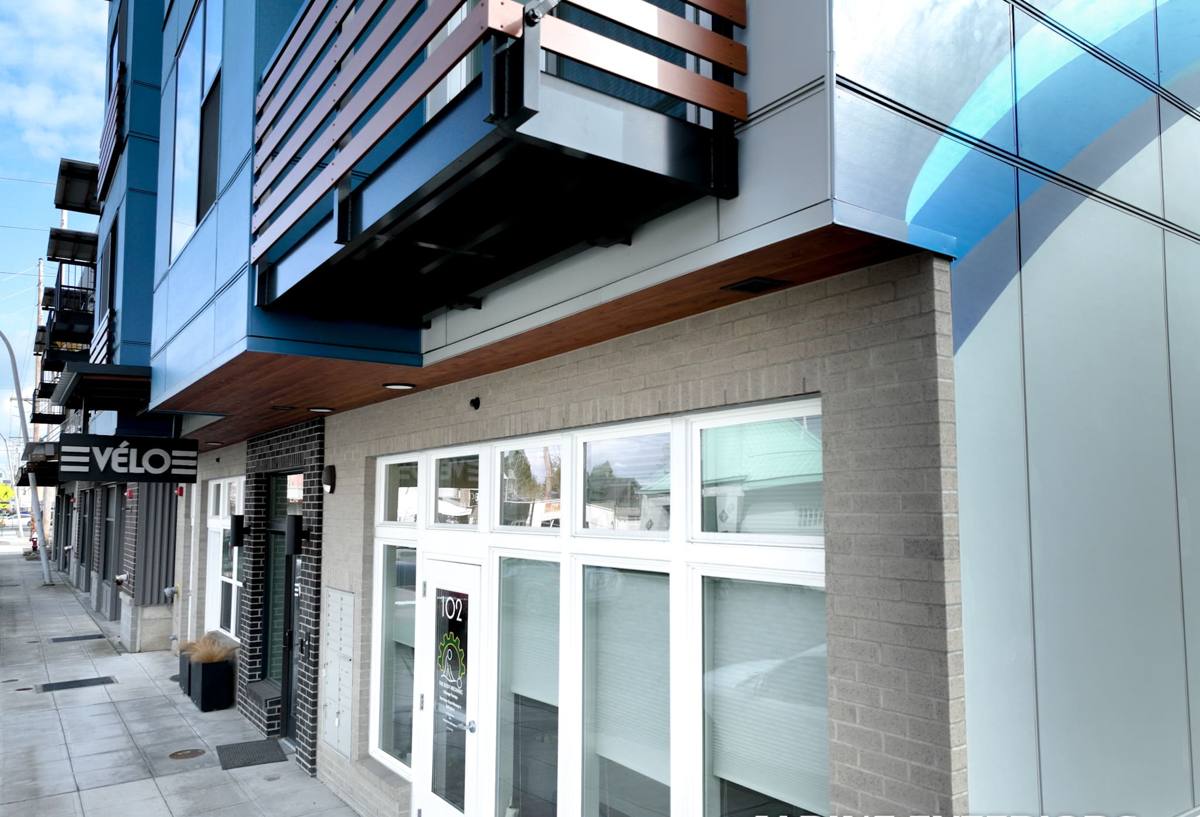
What Energy-Efficient Actually Means for a Coastal Whatcom County Home
"Energy efficient" gets used loosely in this industry, so it's worth breaking down into the parts that actually matter for a home near Birch Bay:
Glazing
Double-pane glass with a low-E coating and an argon-filled gap is the standard baseline for this climate. Low-E coatings reflect radiant heat back into the home in winter and block excess solar heat gain in summer, which matters even in a mild coastal climate because it reduces how hard your heating system has to work during the region's long stretch of cool, overcast months.
Frame Material
The frame is where salt air and moisture do the most damage. A well-sealed frame that resists corrosion and doesn't wick moisture into the wall cavity behind it will outlast a frame that looks similar but handles water differently. We'll cover the trade-offs between materials below.
Air Infiltration Rating
This is the number that tells you how much air leaks around the sash even when the window is fully closed. In a home that takes direct wind off the water, a poor infiltration rating shows up as drafts, cold spots near the window, and a heating bill that doesn't match how new the windows look.
Installation Detail
A high-efficiency window installed with poor flashing and sealant work will underperform a mid-grade window installed correctly. This is the part homeowners can't see once the trim is back on, and it's the part that determines whether you get 20+ years out of the investment or start seeing water intrusion in year five.
Signs Your Current Windows Are Costing You Money
Most homeowners don't replace windows on a schedule — they replace them when something tells them to. Here's what that "something" usually looks like in Birch Bay Village homes specifically:
- Condensation forming between the panes (a sign the seal has failed and the gas fill is gone)
- Visible corrosion or pitting on aluminum frames, common near the water
- Soft or discolored wood at the sill or bottom corners of wood-framed windows
- A noticeable draft when standing near the window on a windy day
- Moss or dark streaking on the exterior frame that keeps returning after cleaning
- Difficulty opening, closing, or latching — frames swelling or warping with moisture cycles
- Rooms near the water-facing side of the house that are noticeably harder to heat
One or two of these on a single window is usually a repair. Several of these across multiple windows, especially on the side of the house that takes the most weather, is typically a sign it's time to talk about replacement.
Frame Material Trade-Offs for a Salt Air Climate
There's no single "best" frame material — there's a best fit for your home's exposure, budget, and how much upkeep you want to take on. Here's how the common options actually compare under Birch Bay's conditions:
| Material | Salt Air / Moisture Behavior | Maintenance | Notes |
|---|---|---|---|
| Vinyl | Resists corrosion well; doesn't rust or pit | Low — occasional cleaning | Good value; performance depends heavily on quality of the extrusion and welded corners |
| Fiberglass | Very stable in moisture and temperature swings; strong resistance to salt exposure | Low | Higher upfront cost; holds up well long-term on water-facing exposures |
| Wood (unclad) | Attractive but absorbs moisture; vulnerable in a marine climate without diligent upkeep | High — repainting, sealing, moss and mildew control | We're honest with clients that unclad wood is a harder sell this close to the water unless you're committed to the maintenance |
| Wood-clad (vinyl or fiberglass exterior) | Good — exterior cladding shields the wood from direct weather | Moderate | Interior wood look with better exterior protection; a common compromise choice |
| Aluminum | Prone to corrosion and pitting near salt air unless heavily treated | Moderate to high | Thermally weaker than other options unless thermally broken; we typically steer coastal clients away from standard aluminum |
We're not going to tell a homeowner their existing aluminum or unclad wood windows are junk — plenty of them are still functional. But when we're specifying new windows for a home this close to Birch Bay, we lean toward vinyl or fiberglass, or wood-clad if the interior wood look matters to the client, because those materials handle the moisture and salt cycle with the least long-term maintenance burden.
How We Approach a Birch Bay Village Window Project
Assessment
We start by looking at the whole opening, not just the glass — sill condition, flashing, signs of past water intrusion, and how exposed that particular wall is to prevailing wind and rain. A window on the water-facing side of a Birch Bay Village home gets evaluated differently than one on a sheltered wall.
Product Selection
We walk through frame material, glazing package, and grille or style options based on your home's exposure, your budget, and how the new windows need to match the rest of the house. We're not trying to upsell every client into the most expensive option — we're trying to match the product to what that specific wall actually deals with.
Removal and Prep
Old windows come out carefully to protect interior and exterior finishes. We check the framing underneath for hidden rot or moisture damage before anything new goes in — this is often where problems that started years ago finally get caught.
Flashing and Sealing
This is the step that determines whether a window performs for 20 years or fails early. Proper flashing integration with the home's weather-resistive barrier, correct sealant application, and attention to the bottom sill detail (where water pools and standing moisture does the most damage) are non-negotiable on every install, especially on water-facing walls.
Final Fit and Finish
We make sure the window operates smoothly, seals tight, and the interior and exterior trim work is finished cleanly before we consider the job done.
Why Local Experience in Birch Bay Village Matters
A crew that only occasionally works this close to the water can miss the details that matter here — under-flashing a sill because that's "standard" inland, specifying a frame material that looks fine on day one but starts corroding within a few winters, or not accounting for how much wind-driven rain a particular wall orientation actually takes. A crew that regularly works Birch Bay Village and the surrounding Whatcom County coastline knows which walls need the extra attention to flashing, which frame materials are worth the upfront cost here, and what moss and salt exposure actually do to different products over time — because we've seen it firsthand on homes in this area, not in a training manual.
Keeping New Windows Performing After Installation
Energy-efficient windows aren't fully maintenance-free, even the low-upkeep materials. A little seasonal attention goes a long way in this climate:
- Rinse salt residue off exterior frames periodically, especially after winter storms
- Keep weep holes clear so water can drain out instead of pooling in the frame
- Check and refresh exterior caulking where it meets siding or trim every couple of years
- Address moss or algae growth on frames and sills before it holds moisture against the surface
- Operate windows through their full range periodically so hardware doesn't seize from disuse
Ten minutes of upkeep a few times a year is a fraction of what an early replacement or a water intrusion repair would cost.
Get an Honest Look at Your Windows
If you're not sure whether your Birch Bay Village home needs window repairs, a full replacement, or just better maintenance on what you have, we're happy to take a look and give you a straight answer. Request a free, no-pressure estimate using the form below and we'll walk the property with you before recommending anything.