 Birch Bay Exterior
 Semiahmoo's Roofs Work Harder Than Most
Semiahmoo sits right up against the water, which means every roof here deals with a combination of stressors that inland Whatcom County homes simply don't face to the same degree. Salt-laden air off the strait accelerates corrosion on exposed metal. Wind-driven rain finds its way under shingles and flashing that would hold up fine in a calmer climate. And the region's long, damp winters give moss and algae months at a time to take hold and spread. None of these problems show up overnight, which is exactly why so many roof repair calls we get in this neighborhood involve damage that's been quietly building for a year or more before anyone noticed a stain on the ceiling.
A roof repair here isn't just about patching whatever is leaking. It's about understanding why that spot failed in the first place, given the specific combination of salt exposure, rainfall pattern, and moss growth this stretch of coastline produces, and fixing the underlying cause so the same spot doesn't fail again next winter.
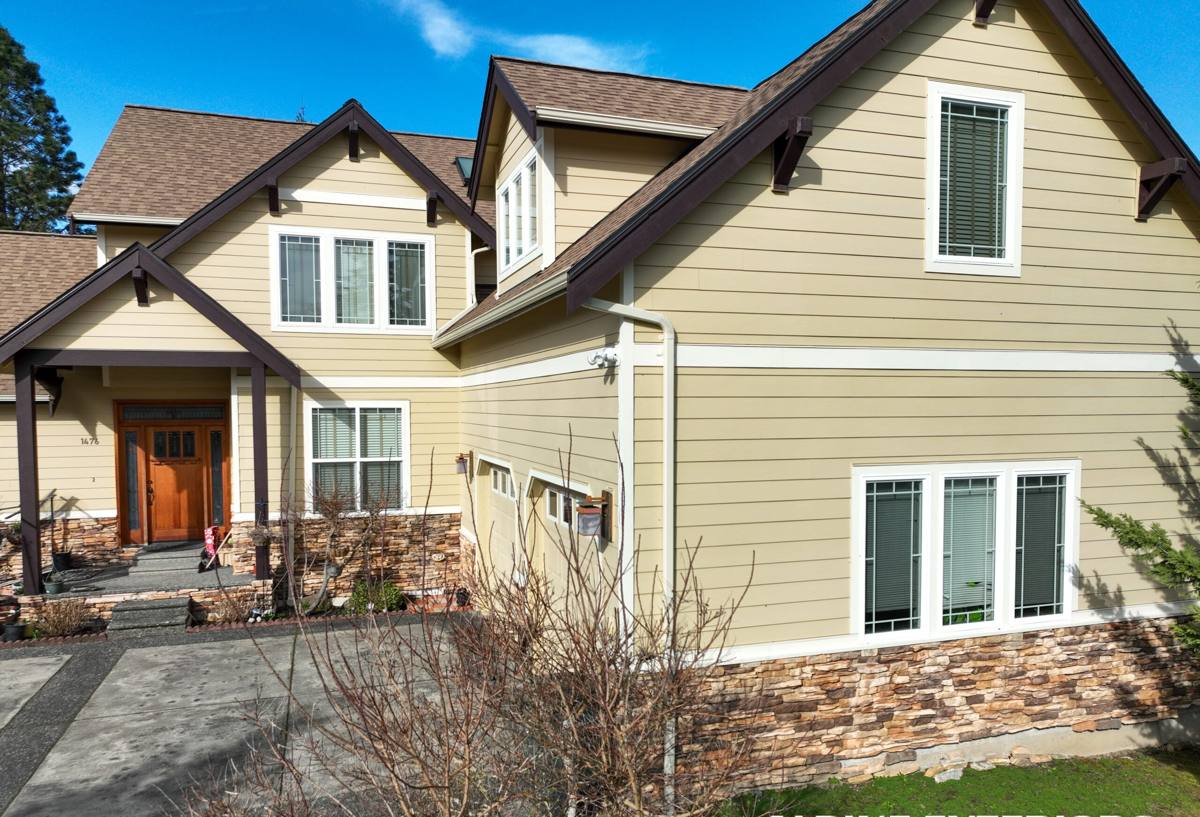
What's Actually Wearing Out Semiahmoo Roofs
Salt Air and Metal Fatigue
Flashing, fasteners, gutters, and vent boots all rely on metal components to stay watertight. Salt air speeds up oxidation on these parts well beyond what you'd see a few miles inland. A flashing seam that might last fifteen years elsewhere can start showing pinhole corrosion or seam separation much sooner this close to the water. Once that happens, water has a direct path under the roofing material even if the shingles or panels above still look fine.
Wind-Driven Rain
Storms coming off the water don't just drop rain straight down, they push it sideways and upward under laps, ridge caps, and around penetrations like chimneys and skylights. Roofing systems designed for calm, vertical rainfall can underperform here unless the flashing details and underlayment overlaps are done with this exposure specifically in mind.
Moss and Sustained Moisture
Whatcom County's long wet season gives moss and algae extended time to establish, especially on north-facing slopes and shaded sections of roof that don't get much sun to dry out between rains. Moss doesn't just sit on top of shingles, it works its way under tabs and lifts them, holding moisture against the roof deck for days at a time. That trapped moisture is one of the most common root causes behind the soft spots and rot we find once we pull back damaged shingles.
What a Correct Roof Repair Involves
A repair that actually holds up in this climate goes beyond sealing the visible gap. Our process typically includes:
- Identifying the true entry point, which is often several feet from where the leak actually appears inside the house
- Checking the roof deck underneath for soft spots, delamination, or rot before any new material goes down
- Replacing corroded or failed flashing rather than just re-caulking over it
- Removing moss and organic growth from the repair area and treating it so it doesn't return in the same spot within a season
- Matching shingle or panel material as closely as possible so the repair blends and performs consistently with the surrounding roof
- Confirming proper overlap and fastening at laps, valleys, and penetrations, since these are the details wind-driven rain exploits first
Skipping any of these steps might stop a leak for a season, but it usually just delays the same repair call by a year or two, often after the underlying deck damage has spread.
Repair or Replace? Factors We Weigh
Not every roof issue in Semiahmoo needs a full replacement, but not every leak should be patched indefinitely either. We look at a combination of factors before recommending either path.
| Factor | Leans Toward Repair | Leans Toward Replacement |
|---|---|---|
| Age of roofing material | Under 15-20 years, still within expected service life | At or past manufacturer's expected lifespan for this climate |
| Extent of moss/moisture damage | Isolated to one section or slope | Recurring across multiple slopes or found in the decking itself |
| Flashing condition | Localized corrosion at one penetration | Widespread flashing failure across valleys, chimneys, vents |
| Number of prior repairs | First or second repair in that area | Same spot repaired multiple times already |
| Deck condition underneath | Solid, no soft spots found | Soft, delaminated, or visibly rotted sheathing |
When a roof is on the fence between the two, we'll tell you honestly rather than push toward the more expensive option. A well-executed repair on a roof with good bones can reasonably buy several more years of service.
Our Process, Start to Finish
Assessment
We start with a full inspection of the affected area and the roof as a whole, not just the spot where a stain showed up inside. Salt air and moss damage rarely stay confined to one shingle, so we check adjacent flashing, valleys, and penetrations while we're up there.
Straightforward Explanation
You'll get a plain explanation of what's failing, why it failed given this location's exposure, and what the repair will involve, before any work starts. If there's a decision to make between a targeted repair and a larger scope of work, we'll walk through the reasoning with you.
The Repair Itself
Work is done to match the existing roofing system's material and detailing, with particular attention to flashing and fastener choices that hold up against salt exposure. We don't leave old, deteriorated flashing in place under new sealant, since that's one of the more common shortcuts that leads to a repeat call.
Cleanup and Follow-Through
We clear debris, old material, and moss growth from the work area, and we'll flag any other spots on the roof worth keeping an eye on, even if they don't need attention yet.
Materials and Methods That Hold Up Here
Given the salt air and moisture load in Semiahmoo, we favor flashing and fastener materials with better corrosion resistance for this specific exposure, and we're deliberate about underlayment and lap details around valleys and penetrations where wind-driven rain does the most damage. Moss removal is done mechanically rather than by aggressive pressure washing, which can drive water and granules further into the roofing system than the moss itself ever would. Where a section is prone to recurring moss growth, we'll discuss options like zinc or copper strips that discourage regrowth, weighed honestly against their upfront cost versus the maintenance burden of repeated cleaning.
Why Local Experience Matters for This Work
A roof repair crew that already works this stretch of Birch Bay and Semiahmoo has seen the failure patterns specific to this coastline enough times to know where to look first. That local pattern recognition, salt corrosion at certain flashing types, moss buildup on particular roof orientations, wind-driven rain finding the same weak points, shortens the diagnostic process and reduces the chance of a repair that misses the actual cause. It also means we're not guessing at what materials and techniques hold up against this specific combination of salt air, rainfall, and moss exposure, we're applying what we've already confirmed works here.
Signs Your Roof Needs Attention Now
- Dark streaking or visible moss patches, especially on shaded or north-facing slopes
- Water stains on interior ceilings or upper walls, even faint or intermittent ones
- Granules collecting in gutters or at downspout outlets
- Lifted, curled, or missing shingles after a windstorm
- Rust staining around flashing, vent boots, or metal fasteners
- Soft or spongy feeling underfoot near valleys or chimneys, if you're comfortable checking from a ladder
- Daylight visible through the roof deck from inside an attic space
Catching any of these early is almost always cheaper and less disruptive than waiting until water has reached the interior of the home.
Keeping a Repaired Roof Sound Between Visits
Once a repair is done, a little seasonal upkeep goes a long way in this climate. Keep gutters clear so water isn't backing up under the lower courses of roofing, and have moss growth addressed before it spreads rather than after it's lifted a section of shingles. If you've had recurring issues in one area, it's worth a periodic check after major windstorms, since that's when marginal flashing or fastening tends to reveal itself. We're happy to point out what to watch for on your specific roof during the repair visit itself.
If you're dealing with a leak, visible moss, or storm damage on a Semiahmoo home, we're glad to take a look and give you a straightforward, no-pressure assessment of what's going on and what it would take to fix it properly. Use the form below to request a free estimate.