 Birch Bay Exterior
 Windows Built for Sandy Point's Coastline, Not a Catalog Average
Sandy Point sits close enough to the water that its homes take a different kind of weather beating than houses just a few miles inland. Salt-laden air moves off the Strait and settles on everything, driving rain comes in sideways during winter storms, and the shaded, damp stretches of the neighborhood grow moss for a good chunk of the year. Standard off-the-shelf windows are engineered for average conditions. Sandy Point isn't average. A custom window job here means matching frame material, glazing, and installation detail to what this specific stretch of Whatcom County actually throws at a house.
We're not talking about custom shapes for architectural flair, though we do that too. "Custom" mostly means windows sized, sealed, and detailed to fit your home's actual openings and actual exposure — not a nearest-standard-size unit with gaps packed in foam and hoped for the best.
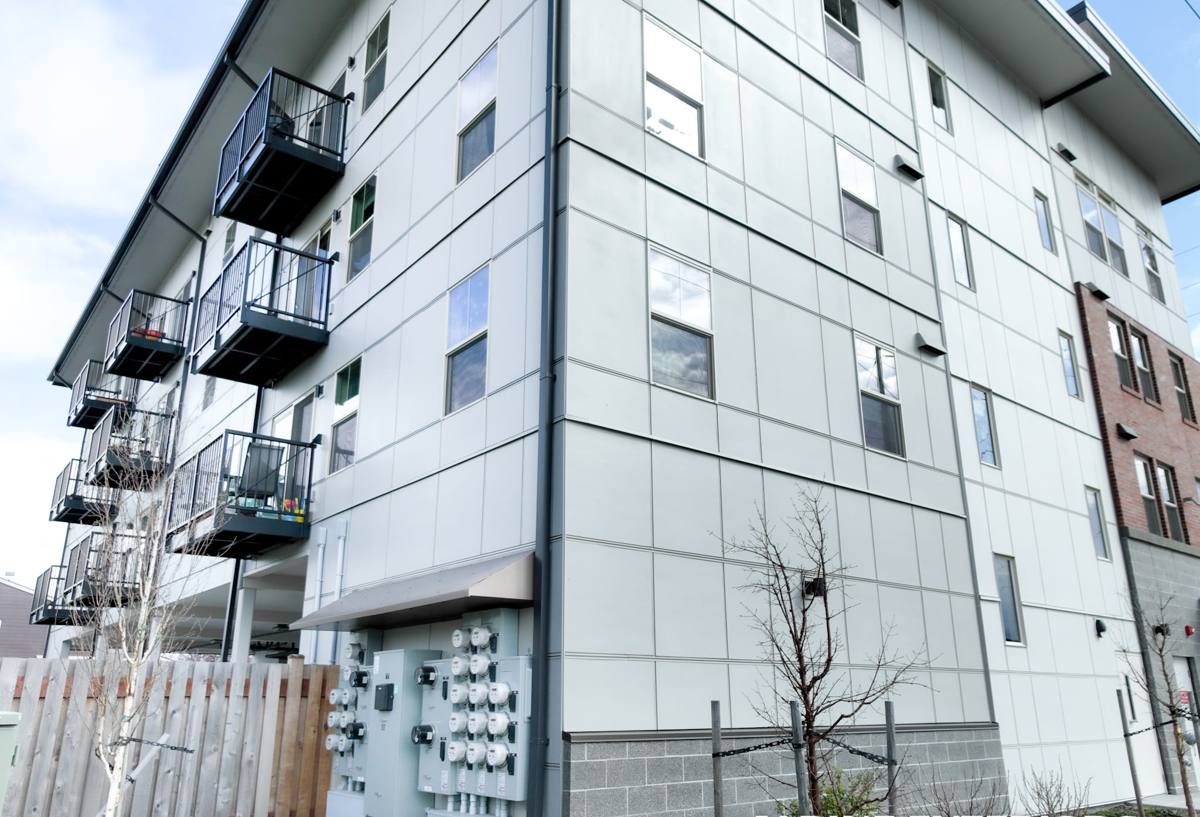
What Salt Air, Driving Rain, and Moss Season Actually Do to a Window
Salt Air and Hardware Corrosion
Airborne salt is corrosive to unprotected metal. On a window, that means hinges, cranks, balance systems, and screen frames are the first parts to fail — often years before the glass or frame itself shows any wear. We see this most on homes closer to the water's edge, where even a few salty winters can seize up hardware that would otherwise last decades. The frame material and hardware coating matter as much as the glass in a setting like this.
Wind-Driven Rain and Water Intrusion
Rain that falls straight down is easy to manage. Rain that's being pushed sideways by wind off the water is a different problem — it finds every gap in flashing, every shortcut in sealant, and every spot where a window wasn't properly integrated with the house wrap and siding behind it. Most window leaks we're called to fix in this area aren't glass failures at all. They're installation failures: missing or reversed flashing, caulk used in place of proper flashing, or a rough opening that was never sloped to shed water outward.
Moss, Shade, and Sustained Moisture
Parts of Sandy Point stay shaded and damp longer than open, sun-exposed lots, which is exactly the environment moss and mildew favor. On windows, that shows up as staining on sills, breakdown of exterior caulk lines, and — on wood-clad units — slow rot in areas that never fully dry out between rain events. It's less dramatic than a leak, but it's steady, and it's the kind of thing that gets worse every year it's ignored.
What a Correctly Installed Custom Window Involves
A window is only as good as the opening it goes into. For coastal homes, we treat the installation itself as the primary defense against moisture, not the caulk bead around the trim.
- Removing old units without damaging the rough opening or hidden framing
- Inspecting the sheathing and framing underneath for existing rot or prior water damage before anything new goes in
- Installing a proper drainage plane and flashing sequence — sill pan first, then side and head flashing integrated with the house wrap, in that order, every time
- Selecting frame material and hardware rated for coastal exposure
- Setting the window level, plumb, and properly shimmed so it operates smoothly for years, not just on install day
- Sealing and trimming with materials rated for sustained UV and moisture exposure, not standard interior-grade products
Skip the sill pan or reverse the flashing lap, and a brand-new, expensive window will leak just like the old one did — often in a way that's harder to spot because it's happening inside the wall rather than on the glass.
Frame Materials Compared for Sandy Point's Climate
There's no single "best" window material for every home — it depends on your budget, how exposed the elevation is, and how much upkeep you want to take on. Here's how the common options hold up under salt air and sustained damp conditions specifically.
| Frame Material | Salt Air Behavior | Moisture Behavior | Upkeep |
|---|---|---|---|
| Vinyl | Doesn't corrode; color and seals can degrade faster on wind-exposed elevations | Handles damp well; welded corners resist water entry | Low — occasional cleaning |
| Fiberglass | Very stable; minimal expansion/contraction, holds paint and finish well near salt air | Excellent; dimensionally stable when wet or dry | Low |
| Aluminum | Prone to corrosion and pitting unless marine-grade coated; conducts cold, prone to condensation | Fair with proper coating; poor without it | Moderate — coatings need monitoring |
| Wood / wood-clad | Attractive but vulnerable where cladding is breached; needs a protective exterior skin near the water | Weakest of the group if maintenance lapses | High — regular inspection and refinishing |
For most Sandy Point homes we recommend vinyl or fiberglass for straightforward, low-maintenance performance, reserving wood or wood-clad options for interiors or protected elevations where the homeowner is committed to the upkeep.
Glass and Hardware Choices That Matter Here
Beyond the frame, two other decisions affect how a window performs on this coastline:
Glazing: Dual-pane, low-E glass with an argon or krypton fill cuts down on interior condensation, which matters in a climate where indoor-outdoor temperature and humidity differences run high for months at a time. It also reduces the heat loss that makes rooms near windows feel drafty and cold during winter storms.
Hardware: Stainless steel or coated hardware resists salt corrosion far longer than standard-grade fasteners and cranks. It costs a little more up front and saves you from windows that stick, won't latch, or need hardware replacement within a few years.
Our Custom Window Process for Sandy Point Homes
1. On-Site Assessment and Measurement
We look at each opening individually — sun and wind exposure, existing water damage, framing condition — before recommending anything. Two windows on the same house can need different specs depending on which direction they face.
2. Product Selection and Ordering
We walk you through frame material, glazing, and hardware trade-offs in plain terms, matched to your budget and how exposed that particular elevation is, then order to the exact dimensions of your openings.
3. Removal and Installation
Old units come out carefully so we can inspect the framing underneath. Any rot or prior damage gets addressed before the new window goes in — installing a new window over a compromised opening just hides the problem for a while.
4. Flashing, Sealing, and Final Inspection
Proper flashing sequence, coastal-rated sealants, and a final check of operation and weatherproofing before we call the job done. We test that each unit opens, closes, and locks the way it should — not just that it looks right from the curb.
Why It Matters to Hire a Crew That Already Works This Coastline
A contractor who mostly works inland jobs may not think twice about flashing sequence or hardware grade, because it usually doesn't matter as much where they normally build. Around Sandy Point, those details are the difference between a window that lasts twenty-plus years and one that starts failing in five. Working this area regularly means we've already seen how salt air, wind-driven rain, and moss-season damp specifically affect window installations here — and we build around that from the start rather than learning it from a callback.
Signs Your Current Windows Are Losing the Fight
- Cranks, latches, or hardware that feel stiff, gritty, or corroded
- Visible staining, green film, or moss buildup on sills and lower frames
- Fogging or moisture trapped between panes (a sign the seal has failed)
- Drafts or cold spots near the frame even with the window fully closed
- Soft or discolored trim and sill wood, especially on north- or shade-facing walls
- Paint or finish peeling faster on window frames than on the surrounding siding
Any one of these on its own isn't an emergency. Several at once, or on more than one window, usually means it's time to have them looked at before small issues turn into framing repairs.
Keeping New Windows Performing Long-Term
Even a well-installed custom window benefits from basic upkeep in this climate. Rinse accumulated salt film off frames and glass periodically, especially after storms. Keep weep holes and drainage tracks clear of debris and moss so water can exit the way it's designed to. Check exterior caulk lines once a year for cracking or separation, and address it before winter's driving rain arrives rather than after. None of this is heavy maintenance — it's a few minutes a season that meaningfully extends the life of the investment.
Get a Straightforward Estimate
If your windows are starting to show their age, or you're planning ahead for a Sandy Point home that needs to hold up to salt air and winter storms for the long haul, we're happy to take a look and give you an honest read on what's needed. There's no pressure and no obligation — just a clear assessment and a straightforward quote using the form below.