 Birch Bay Exterior
 Asphalt Shingle Roofing Built for Nooksack's Weather
Homes in the Nooksack area don't fail the same way homes do in drier parts of the state. Between the salt-laden air moving in off the water, driving rain that comes in sideways during winter storms, and a moss season that can run eight or nine months out of the year, an asphalt shingle roof here is working harder than the same roof would be almost anywhere else in Washington. Birch Bay Exterior Co installs and repairs asphalt shingle roofs throughout Whatcom County, and the jobs we do in and around Nooksack follow the same basic rule: build for the climate that's actually here, not the climate on the shingle manufacturer's brochure.
This page covers what asphalt shingle roofing needs to hold up in this specific area, what a correct installation or repair actually involves, and how our process works from first call to final walkthrough.
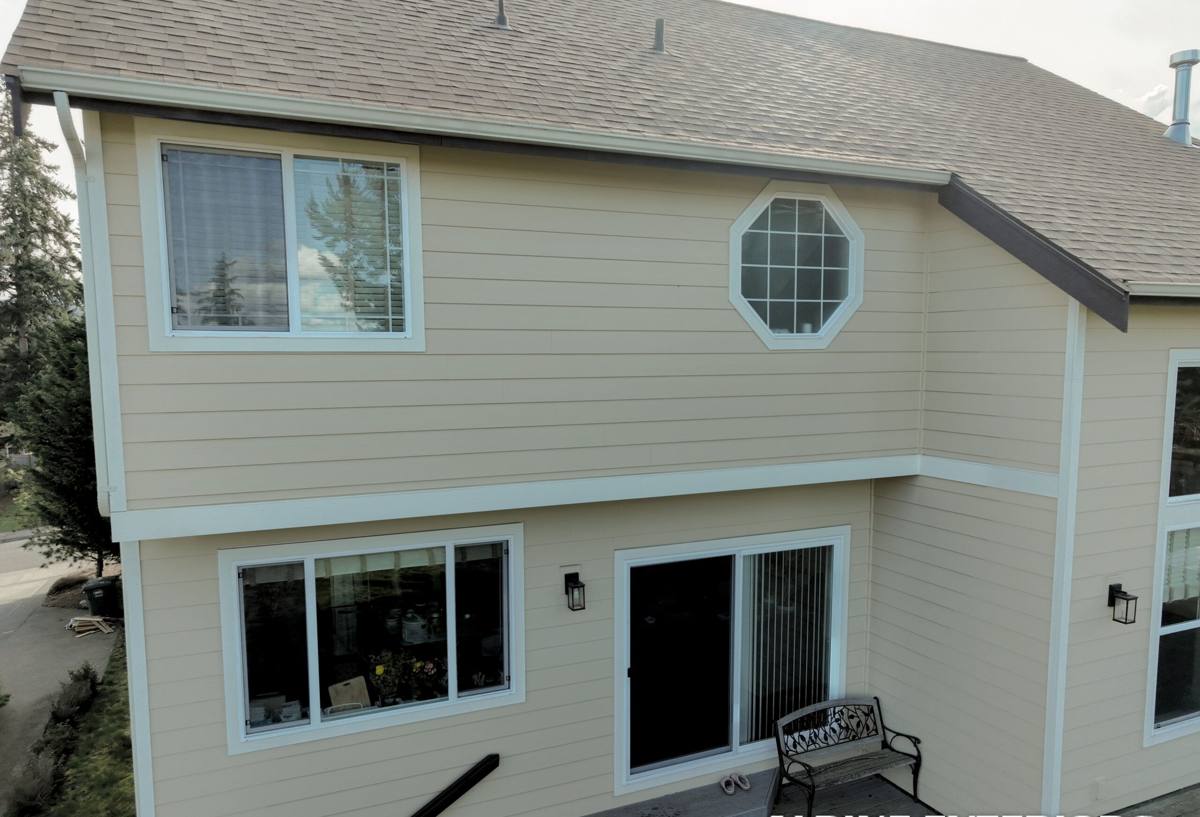
What Local Weather Does to a Shingle Roof
Every roofing material has a failure pattern tied to climate. In Whatcom County, three things drive most of the asphalt shingle problems we get called out for.
Moss and Algae on Shaded Slopes
North-facing slopes, roofs tucked under fir and cedar cover, and any section that stays damp longer than it stays dry are prime territory for moss and algae growth. Moss doesn't just sit on top of shingles — it works its rhizoids under the shingle tabs, lifts the mat, and holds moisture against the roof deck long after the rest of the roof has dried out. Left alone through a few wet seasons, moss growth shortens shingle life significantly and is one of the more common reasons we see premature granule loss on roofs that are otherwise only ten or twelve years old.
Wind-Driven Rain and Weak Points
Rain that falls straight down mostly runs off a roof the way it's supposed to. Rain that's being pushed sideways by wind off the water behaves differently — it gets forced up under shingle tabs, into open valleys, and around anything that penetrates the roof plane: chimneys, vents, skylights. A shingle roof that was installed with minimal flashing or with cut corners on sealant will show leaks at these points well before the shingles themselves are worn out. This is the single biggest difference between a roof that lasts its full rated life and one that doesn't — not the shingle brand, but the flashing and detail work underneath it.
Salt Air and Metal Components
Proximity to salt water accelerates corrosion on the metal parts of a roofing system — nails, flashing, drip edge, and vent housings. Standard galvanized fasteners can start showing rust streaks and weakening well before the shingles around them wear out. Roofs in this area hold up longer when the metal components are matched to the exposure, not just to whatever came bundled with the shingle package.
Signs a Nooksack-Area Roof Needs a Closer Look
Most shingle roof problems give warning signs well before they turn into an interior leak. Worth checking for, especially after a windy winter:
- Granules collecting in gutters or at downspout outlets, especially after a hard rain
- Dark streaking or green-black patches on north-facing or shaded slopes
- Shingle tabs that look lifted, curled, or cupped rather than lying flat
- Moss visible along the ridge line or building up at shingle edges
- Rust staining around vent pipes, flashing, or exposed nail heads
- Soft or spongy spots when walked on (never walk a roof yourself to check this — a contractor should)
- Daylight visible through the roof deck from inside the attic
- Water stains on interior ceilings, especially near chimneys, skylights, or valleys
Any one of these on its own isn't necessarily an emergency, but they're worth a professional look before the next wet season rather than after.
What a Correct Asphalt Shingle Job Actually Involves
Asphalt shingle roofing looks simple from the ground, which is part of why corners get cut on it more than almost any other exterior trade. A roof that's actually built for this climate involves more than nailing shingles to a deck.
Tear-Off and Deck Inspection
A full re-roof starts with removing the old roofing down to the deck — not layering over it — so the sheathing can actually be inspected. Soft, delaminated, or moisture-damaged plywood gets replaced before anything new goes down. Skipping this step to save time is one of the most common shortcuts in the trade, and it's the one that causes the most expensive problems later.
Underlayment and Ice-and-Water Barrier
A synthetic underlayment goes down across the full deck as the roof's secondary water barrier, with self-adhering ice-and-water membrane at the eaves, valleys, and around penetrations — the spots where wind-driven rain is most likely to get pushed backward under the shingle line. This detail matters more here than in drier inland climates, because it's doing real work most winters, not just sitting as insurance.
Flashing Details
Step flashing at walls and chimneys, proper valley metal, and correctly lapped drip edge are what actually keep water out at transitions — shingles alone can't do that job. This is also where corrosion-resistant metal matters most given the salt air exposure common closer to the water.
Ventilation
Balanced intake and exhaust ventilation keeps the attic close to outdoor temperature and controls moisture buildup, which protects both the roof deck from below and the shingles from premature aging due to trapped heat and humidity. A roof can be installed perfectly and still underperform if the attic underneath it is retaining moisture.
Shingle Options for This Climate
Not every asphalt shingle product performs the same way under moss pressure, wind exposure, and salt air. The table below covers the main categories we work with and how they hold up locally.
| Shingle Type | Typical Lifespan | Moss/Algae Resistance | Notes for This Area |
|---|---|---|---|
| Standard 3-tab | 15–20 years | Lower unless algae-resistant granules specified | Budget option; more exposed edges for wind lift on shaded slopes |
| Architectural/laminate | 25–30 years | Moderate to good with AR granules | Heavier, better wind rating, most common recommendation here |
| Impact-resistant (Class 4) | 25–30+ years | Good with AR granules | Higher upfront cost; worth discussing for storm-exposed sites |
Beyond the shingle itself, cost on any given job is driven by roof pitch and access, how many layers of old roofing need to come off, deck repair needs found during tear-off, the number of penetrations and valleys, and how much of the underlying flashing and ventilation needs to be brought up to current standards. We walk through all of that during the estimate so there aren't surprises once work starts.
How We Work in Nooksack
Inspection and Estimate
We start with a full roof and attic inspection, not just a look from the driveway. That includes checking the deck condition where accessible, the state of existing flashing and ventilation, and how much moss or granule loss is present. The estimate that follows is based on what we actually find, not a guess.
Installation Day
Work areas are protected, tear-off is hauled and disposed of as it comes off rather than left piling up, and the deck gets inspected and repaired before anything new goes down. We don't install over problems we can see.
Cleanup and Final Walkthrough
Job sites get swept for nails with a magnetic sweeper, debris is hauled off, and we walk the completed roof with the homeowner before calling the job done.
Why Hiring a Crew That Already Works This Area Matters
A roofer who mostly works inland doesn't necessarily think about salt-rated fasteners, moss-prone shading patterns, or wind-driven rain the same way a crew that works Whatcom County's coastal-influenced weather every season does. It's not that other roofers can't do good work — it's that the details which matter most in this climate are easy to treat as optional when you're not dealing with them constantly. Local experience means those details are built in by default, not added as an upsell after something fails.
Simple Maintenance That Extends Roof Life
Between larger service visits, a few habits go a long way in this climate: keep gutters and downspouts clear so water isn't backing up under the eaves, have moss treated or removed before it establishes rather than after, trim back overhanging branches that keep a roof section shaded and damp, and have the roof looked at after any unusually heavy windstorm rather than waiting for a leak to show up inside. None of this replaces a professional inspection, but it reduces how much work that inspection turns up.
If you're dealing with visible moss, a roof that's getting close to the end of its expected life, or you just want an honest read on what condition your roof is really in, we're glad to come take a look. Estimates are free, there's no pressure attached, and you'll get a straight answer about what actually needs to happen — whether that's a repair, a partial re-roof, or nothing at all right now.