 Birch Bay Exterior
 Asphalt Shingle Roofing Built for Custer's Weather
Custer sits close enough to the water that homes here deal with a different mix of weather stress than roofs ten or twenty miles inland. Salt-laden air off the Strait, driving rain that comes in sideways during winter storms, and a moss season that can run most of the year all put real wear on an asphalt shingle roof. A shingle system that's installed correctly and matched to this climate will hold up for decades. One that's installed to a generic spec, or by a crew that doesn't work this area regularly, tends to show problems early — granule loss, curling edges, moss intrusion, and leaks at the details that matter most.
This page covers what a correct asphalt shingle roofing job looks like for a Custer home, what we actually do on site, and what to weigh when you're comparing bids.
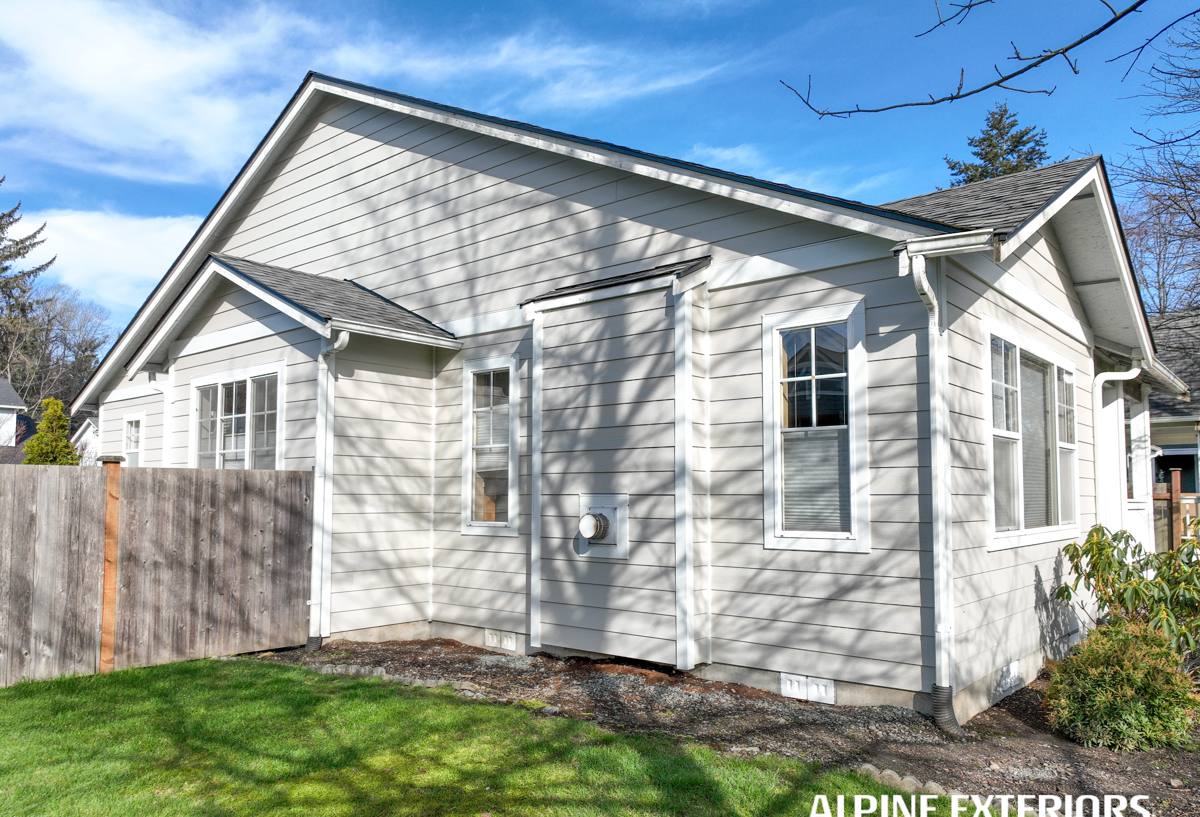
What Custer's Climate Does to a Shingle Roof
Three things drive most of the roofing problems we see in this part of Whatcom County:
- Salt air: Airborne salt accelerates corrosion on exposed metal — flashing, fasteners, and vent components — faster than it would inland. Roofs closer to the water need corrosion-resistant hardware, not standard-grade fasteners.
- Driving rain: Wind-driven rain doesn't just fall straight down — it gets pushed sideways and upward under shingle tabs, around vents, and against wall-to-roof transitions. A roof that's fine in light rain can still leak in a windstorm if the underlayment and flashing details weren't done right.
- Extended moss season: Cool, damp, shaded conditions for much of the year give moss and algae a long window to establish themselves on north-facing slopes and anywhere shingles stay damp longer than they should.
None of this means asphalt shingles are the wrong choice for Custer — they're the most common roofing material here for good reason: proven performance, reasonable cost, and a wide range of product options. It means the installation details matter more here than they would in a drier, calmer climate.
What a Correct Installation Actually Involves
A shingle roof is a system, not just a layer of shingles nailed to plywood. Skipping or shortcutting any layer shows up later as a leak, premature wear, or a warranty claim that gets denied because the manufacturer's install requirements weren't met.
Deck Inspection and Prep
Before anything goes down, the existing deck gets checked for soft spots, delamination, and proper fastening. Any damaged sheathing gets replaced — covering over a soft deck just hides the problem until it fails from underneath.
Ice and Water Shield at Vulnerable Points
Eaves, valleys, and roof penetrations get a self-adhering waterproof membrane underneath the shingles. This is the layer that actually stops water that gets past the shingles during wind-driven rain — it's not optional in this climate, even though building code minimums in some areas treat it as such.
Synthetic Underlayment
Over the rest of the deck, a synthetic underlayment provides the secondary water barrier and UV protection during construction. It's more tear-resistant and consistent than old-style felt paper, which matters when a crew is walking the roof in wet weather.
Flashing at Every Transition
Chimneys, skylights, sidewalls, and roof-to-wall intersections all need step flashing, counter-flashing, or kick-out flashing sized and lapped correctly. Most roof leaks that aren't storm damage trace back to flashing that was reused, undersized, or installed out of sequence with the shingles.
Corrosion-Resistant Fasteners and Hardware
Given the salt air in this part of the county, we use fasteners and exposed metal components rated for coastal exposure rather than standard interior-grade hardware. It costs a little more up front and saves a callback in five years.
Proper Nailing Pattern and Exposure
Every shingle manufacturer specifies a nailing pattern, nail placement zone, and exposure (how much of each shingle stays visible). Nail guns set too high or shingles under-nailed are one of the most common causes of blow-offs in wind — and they void the manufacturer's wind warranty.
Ridge, Hip, and Ventilation Details
Ridge vents or other exhaust ventilation, paired with intake ventilation at the eaves, keep the attic dry and temperature-balanced. This matters as much for moss and moisture control as it does for energy efficiency — a poorly ventilated attic traps moisture that works its way back up through the deck.
Choosing the Right Shingle for This Area
Not every shingle product performs the same way in salt air, wind, and prolonged dampness. Here's how the common options compare for a Custer home:
| Shingle Type | Typical Lifespan | Wind Rating | Best Fit |
|---|---|---|---|
| 3-Tab (standard) | 15–20 years | Lower end of range | Budget-driven projects, secondary structures |
| Architectural / Laminate | 25–30+ years | Higher, varies by product | Most Custer homes — better wind performance and appearance |
| Algae-Resistant (AR) Granules | Same as base shingle | Same as base shingle | Recommended for shaded, north-facing, or tree-covered roofs |
| Premium / Designer | 30–50 years (varies) | Highest available | Homeowners prioritizing longevity and curb appeal over cost |
For most homes in Custer, we recommend architectural shingles with algae-resistant granules as the baseline, not the upgrade. Given the moss and algae exposure here, the AR granules are one of the few upgrades that pays for itself in reduced staining and fewer premature cleanings.
Why We Don't Push 3-Tab Shingles in This Area
3-tab shingles aren't a bad product — they're a lower-cost option with a shorter service life and typically a lower wind rating. In an area that gets driving rain and periodic wind events off the water, the wind-resistance gap between 3-tab and architectural shingles is worth the price difference for most homeowners. We'll install what you choose, but we'll always tell you honestly where a cheaper product will cost you more over time.
Moss, Algae, and Long-Term Roof Health
Moss doesn't just look bad — it holds moisture against the shingle surface, works its way under tabs, and can lift shingles enough to let water in. In Custer's climate, moss control is an ongoing maintenance item, not a one-time fix.
- Zinc or copper strips installed near the ridge use rainwater runoff to inhibit moss growth on the slopes below.
- Algae-resistant shingles reduce staining but don't eliminate the need for periodic moss removal on shaded slopes.
- Trimming back overhanging branches reduces shade and debris buildup, both of which extend moss-free periods.
- Gentle, low-pressure moss removal (never high-pressure washing, which strips granules) should happen before moss gets thick enough to lift shingles.
Proper attic ventilation also plays a role here — a warmer, more humid attic can make the roof deck stay damp longer after rain, which gives moss and algae more time to take hold on the surface above.
Our Process, Start to Finish
- Roof inspection: We walk the roof (or inspect from ladder access where the pitch requires it) and check the deck, flashing, ventilation, and shingle condition, and photograph anything worth flagging.
- Written estimate: You get a clear scope of work — materials, tear-off, disposal, warranty terms — not just a bottom-line number.
- Material selection: We walk through shingle options, colors, and upgrades like AR granules based on your roof's exposure and your budget.
- Tear-off and deck inspection: Old roofing comes off down to the deck so we can actually see what's underneath, rather than covering existing damage.
- Underlayment and flashing installation: Ice and water shield, synthetic underlayment, and all flashing go in before a single shingle is laid.
- Shingle installation: Installed to the manufacturer's nailing and exposure spec to keep the product warranty intact.
- Ventilation and detail work: Ridge and intake ventilation, pipe boots, and any specialty flashing get finished.
- Cleanup and magnetic sweep: Site is cleared of debris and swept for stray nails before we call the job done.
- Final walkthrough: We review the finished roof with you before wrapping up.
Repair or Replace? Signs to Watch For
Not every roof problem in Custer means a full replacement. Here's a general guide for what to look for:
- Isolated missing or damaged shingles after a windstorm — usually a repair.
- Granule buildup in gutters and downspouts — a sign of aging shingles, worth an inspection.
- Curling, cracking, or cupped shingles across large sections — usually indicates the roof is nearing the end of its service life.
- Moss covering more than a small area of a slope — needs attention regardless of the roof's age.
- Daylight visible through the attic roof deck, or staining on attic sheathing — get this looked at promptly.
- Roof age past 20–25 years with visible wear — replacement is usually more cost-effective than repeated repairs.
Cost Factors for Custer Homes
We don't quote prices without seeing the roof, but the factors that move cost up or down are consistent:
| Factor | Effect on Cost |
|---|---|
| Roof size and number of slopes | More area and more complex geometry increase labor and material |
| Roof pitch and access | Steeper or harder-to-access roofs require more safety equipment and time |
| Number of layers to remove | Tearing off multiple existing layers adds labor and disposal cost |
| Deck condition | Rotten or soft sheathing found during tear-off adds repair cost |
| Shingle grade selected | 3-tab, architectural, and premium products carry different material costs |
| Flashing and ventilation upgrades | Adding or upgrading flashing, vents, or ice/water shield adds to the scope |
Broadly, homeowners in this area should expect asphalt shingle replacement to run from a few thousand dollars for a small, simple roof up into the higher five figures for a large, complex roof with premium materials. An accurate number only comes from an on-site look.
Why It Matters to Hire a Crew That Already Works in Custer
A roofing crew that regularly works in and around Birch Bay and Custer already knows what this climate does to a roof over time — which slopes hold moss longest, where salt air causes hardware to fail early, and which flashing details actually stand up to driving rain off the Strait. That local pattern recognition shows up in small decisions during installation that a crew unfamiliar with the area might not think twice about. It also means we're a known, reachable local business if a question or warranty issue comes up years down the road — not a crew that worked here once and moved on.
Maintenance That Extends the Life of Your Roof
- Clear gutters and downspouts at least twice a year so water doesn't back up under the eaves.
- Have moss removed gently before it thickens, rather than waiting until it's visibly lifting shingles.
- Keep overhanging branches trimmed back to reduce shade, debris, and physical abrasion on the roof surface.
- After major windstorms, do a visual check (or have us do one) for lifted or missing shingles before small damage becomes a leak.
- Check attic ventilation periodically — blocked vents reduce the roof's ability to dry out between storms.
If you're weighing a repair, a full replacement, or just want an honest read on where your roof stands, we're happy to take a look. Reach out for a free, no-pressure estimate using the form below.