 Birch Bay Exterior
 Roofing Terrell Creek Homes the Right Way
Homes near Terrell Creek sit in one of the more demanding roofing environments in Whatcom County. You're close enough to the water to pick up salt-laden air, exposed enough to catch driving wind-and-rain storms off the Strait, and shaded enough by mature trees and overcast stretches to grow moss on almost anything that isn't actively maintained. A roof that would last 25 years in a drier inland climate can show real wear in half that time out here if it wasn't built for these specific conditions. When we replace a roof for a Terrell Creek homeowner, we're not just swapping old shingles for new ones — we're building a system that's meant to hold up against salt, wind, and moisture for the long haul.
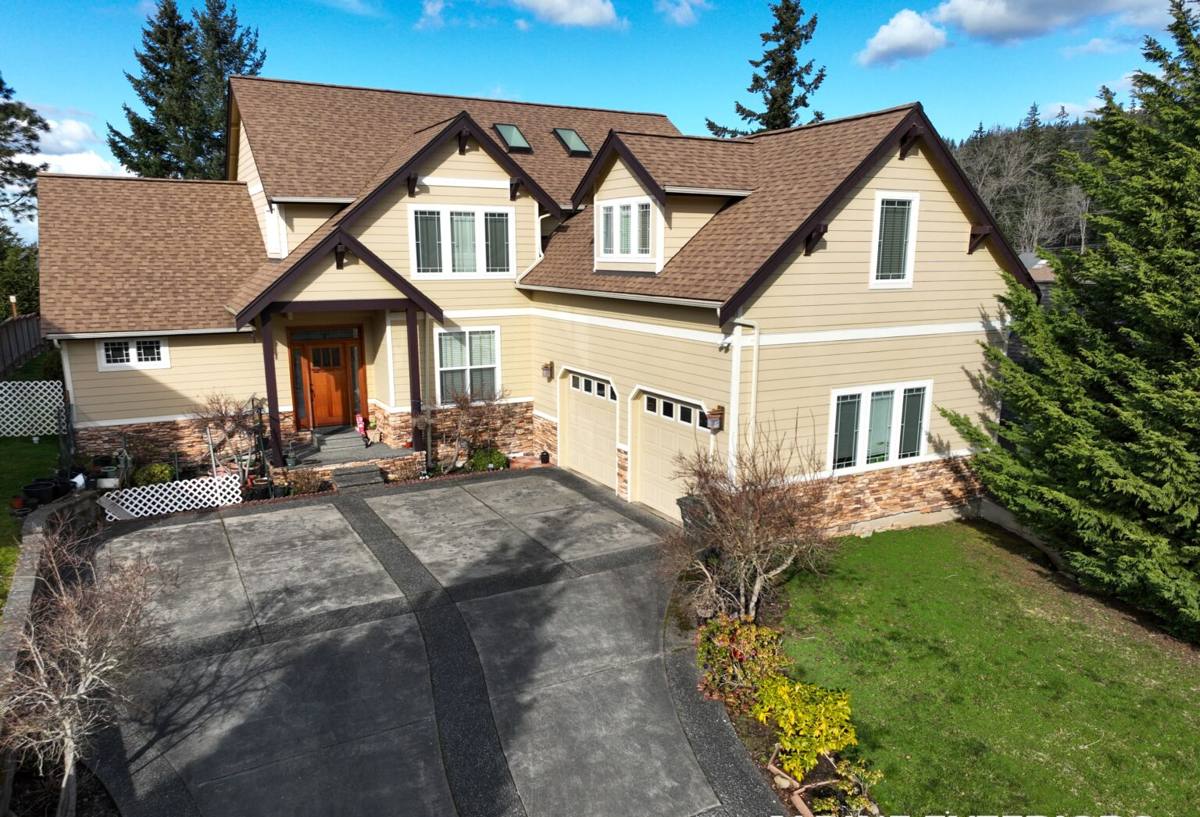
What Birch Bay's Climate Actually Does to a Roof
It helps to understand the three forces working against your roof year-round, because they don't act independently — they compound each other.
Salt Air
Proximity to Birch Bay and the Strait of Georgia means airborne salt settles on roofing surfaces, gutters, flashing, and fasteners. Over time, salt exposure accelerates corrosion on metal components — nails, drip edge, valley flashing, and vent housings — especially if lower-grade or uncoated materials were used. It also degrades some sealants faster than in inland climates, which is why fastener and flashing choice matters more here than in most parts of the county.
Driving, Wind-Driven Rain
Whatcom County gets plenty of rain, but the wind off the water is what makes Birch Bay roofs different. Wind-driven rain doesn't just fall straight down — it gets pushed sideways and upward under shingle edges, around vents, and into any gap in flashing that would stay dry in a calmer climate. A roof here needs tighter underlayment coverage, better-sealed penetrations, and flashing details that assume the rain won't always be falling straight.
Extended Moss Season
Cool, damp, and often shaded conditions for much of the year give moss and algae a long window to establish themselves. Moss isn't just cosmetic — it holds moisture against the roofing surface, works into shingle layers, and can lift edges enough to let water underneath. A roof replacement done without moss-resistant materials or without attention to airflow and sun exposure is set up to repeat the same problem within a few years.
Signs a Terrell Creek Roof Needs Replacement, Not Just Repair
Not every roofing problem calls for a full replacement, but in this climate, certain signs mean patching is only delaying a bigger job. Watch for:
- Granule loss heavy enough that you're finding grit in gutters or downspouts regularly
- Shingles that are curling, cupping, or lifting at the edges, especially on wind-exposed slopes
- Moss that keeps returning within a year or two of cleaning, even after treatment
- Soft spots or sag in the roof deck when walked, which usually means water has reached the sheathing
- Rusted or deteriorating flashing around chimneys, vents, and valleys
- Interior staining on ceilings or in the attic, particularly after wind storms rather than steady rain
- A roof that's already 18-20+ years old, since most materials are nearing the end of their realistic service life in this climate well before their rated lifespan
If you're seeing one or two of these, a targeted repair might still make sense. If you're seeing several at once, or the roof is old enough that repairs would just be chasing new leaks every season, replacement is usually the more honest recommendation — and the more cost-effective one over time.
Choosing Materials for This Specific Microclimate
There's no single "best" roofing material for every home — it depends on your roof's exposure, slope, budget, and how much maintenance you want to commit to. But some materials are clearly better suited to salt air, wind-driven rain, and heavy moss than others. Here's how the common options compare for a home in the Terrell Creek area:
| Material | Salt Air Resistance | Moss Resistance | Maintenance Burden |
|---|---|---|---|
| Standard 3-tab asphalt shingles | Fair — fasteners and flashing need marine-grade attention | Low unless algae-resistant granules are used | Higher — more frequent cleaning and inspection |
| Architectural (laminate) asphalt shingles | Good, especially with corrosion-resistant fasteners | Better with algae-resistant (AR) granule options | Moderate |
| Metal roofing (standing seam or panel) | Very good with proper coatings and stainless or coated fasteners | Very good — moss struggles to hold on smooth metal | Low |
| Composite/synthetic shake or slate | Good | Good, depending on surface texture | Moderate |
We don't push one product line on every home. Instead we look at your roof's slope, tree cover, and sun exposure, then talk through the real trade-offs — upfront cost, expected maintenance, appearance, and how the material behaves specifically under salt air and prolonged dampness. Our job is to give you an honest recommendation, not the highest-margin option.
What a Correct Roof Replacement Actually Involves
A roof replacement is more than laying new shingles over what's there. In this climate especially, the layers you don't see matter as much as the ones you do.
Full Tear-Off and Deck Inspection
We remove the old roofing down to the deck so we can actually see what's underneath — soft or water-damaged sheathing has to be identified and replaced, not covered over. Skipping this step is one of the most common shortcuts that leads to early failure.
Underlayment Built for Wind-Driven Rain
Given how often rain comes in sideways here, we pay close attention to underlayment coverage and overlap, with extra attention at eaves, valleys, and any low-slope transitions where wind-driven moisture is most likely to find a way in.
Flashing and Fastener Choices That Account for Salt
Around chimneys, vents, skylights, and valleys, we use flashing and fasteners chosen with salt exposure in mind rather than defaulting to whatever is cheapest. This is one of the details that separates a roof that holds up near the water from one that starts corroding in a handful of years.
Ventilation That Actually Works
Proper intake and exhaust ventilation keeps the attic dry and temperature-balanced, which reduces condensation, helps shingles last longer, and — in a climate prone to moss — keeps the roof deck from staying damp longer than it needs to.
Our Process, Start to Finish
Homeowners generally want to know two things upfront: what we're going to do, and how much disruption to expect. Here's the general sequence for a full roof replacement:
- On-site inspection and estimate — we look at the current roof, attic ventilation, and any problem areas, and walk you through material options honestly, including trade-offs specific to your home's exposure.
- Written scope and timeline — you get a clear breakdown of what's included, so there's no ambiguity about materials, flashing details, or cleanup.
- Protection of property — landscaping, siding, and gutters are protected before tear-off begins.
- Tear-off and deck inspection — old roofing comes off, the deck is inspected, and any damaged sheathing is addressed before anything new goes down.
- Underlayment, flashing, and ventilation installation — the parts of the job that determine how the roof performs during the next windstorm or moss season.
- New roofing material installation — installed to manufacturer specifications, not shortcuts.
- Cleanup and magnetic sweep — job site cleared of debris and stray fasteners.
- Final walk-through — we go over the finished roof with you before calling the job done.
Cost Factors for Roof Replacement Near Terrell Creek
Every roof is different, and we won't quote a number without seeing your home, but these are the main factors that move the price up or down:
| Factor | How It Affects Cost |
|---|---|
| Roof size and number of slopes/valleys | More square footage and complex geometry mean more material and labor |
| Material selection | Asphalt shingles are typically the most affordable; metal and composite options cost more upfront but often need less maintenance |
| Deck condition | Water-damaged sheathing found during tear-off adds material and labor to replace it properly |
| Ventilation upgrades | Adding or improving intake/exhaust ventilation is a smaller add-on cost that pays off in roof longevity |
| Flashing and fastener grade | Corrosion-resistant components cost more than standard-grade but matter more this close to salt air |
| Access and pitch | Steep or hard-to-access roofs take longer and require more safety setup |
Broadly speaking, asphalt shingle replacements tend to fall on the lower end of the cost range, while metal or composite systems run higher upfront but can reduce maintenance and recoating costs over the life of the roof. We'll walk through the real numbers for your specific roof during the estimate — no guessing games.
Why Local Experience in Terrell Creek Matters
Roofing crews who work across a wide, dry inland region don't necessarily think about salt-air fastener corrosion or wind-driven rain intrusion as a daily concern — because it isn't, where they usually work. A crew that regularly works homes near Birch Bay and the water sees these failure patterns often enough to build in the right details as a matter of habit, not an afterthought. That shows up in small decisions — which flashing goes where, how underlayment is lapped at a valley, whether a vent gets a corrosion-resistant collar — that add years to a roof's service life in this specific environment.
It also matters for moss management after the job is done. A roof replacement is the best time to correct the conditions that let moss take hold in the first place — trimming back overhanging limbs where practical, improving airflow, and choosing surfaces that don't give moss an easy foothold. A crew unfamiliar with this climate may not think to raise any of that during the estimate.
Maintaining Your New Roof in This Climate
A correctly installed roof still benefits from a little seasonal attention here. Keep gutters and downspouts clear so wind-driven rain has somewhere to go. Have moss or algae growth addressed early rather than letting it establish for a season or two. Keep an eye on flashing around chimneys and vents after major windstorms, since that's where wind-driven rain is most likely to find a weak point first. None of this requires much time, but a little attention goes a long way toward getting the full lifespan out of a roof built for this environment.
If your roof near Terrell Creek is showing its age, or you just want an honest read on how much life it has left, we're happy to take a look. The estimate is free, there's no pressure, and you'll get a straight answer about whether replacement makes sense now or can reasonably wait — just fill out the form below to get started.