 Birch Bay Exterior
 Window Installation Built for Nooksack's Climate
Nooksack sits inland from Birch Bay but still lives inside the same weather system: marine air pushed off the Salish Sea, long stretches of driving rain through fall and winter, and a moss season that never really ends in Whatcom County. Windows here don't fail because the glass wears out. They fail because moisture finds a way behind the frame, and once it's in, it stays in — wood rots quietly, seals give up, and a homeowner doesn't notice until there's a soft spot on the sill or a fogged pane that won't clear.
Window installation done right in this area isn't just swapping out an old unit for a new one. It's about getting the flashing, the weather barrier, and the sealant details correct so the wall behind the window stays dry for the next twenty-plus years, not just the next inspection.
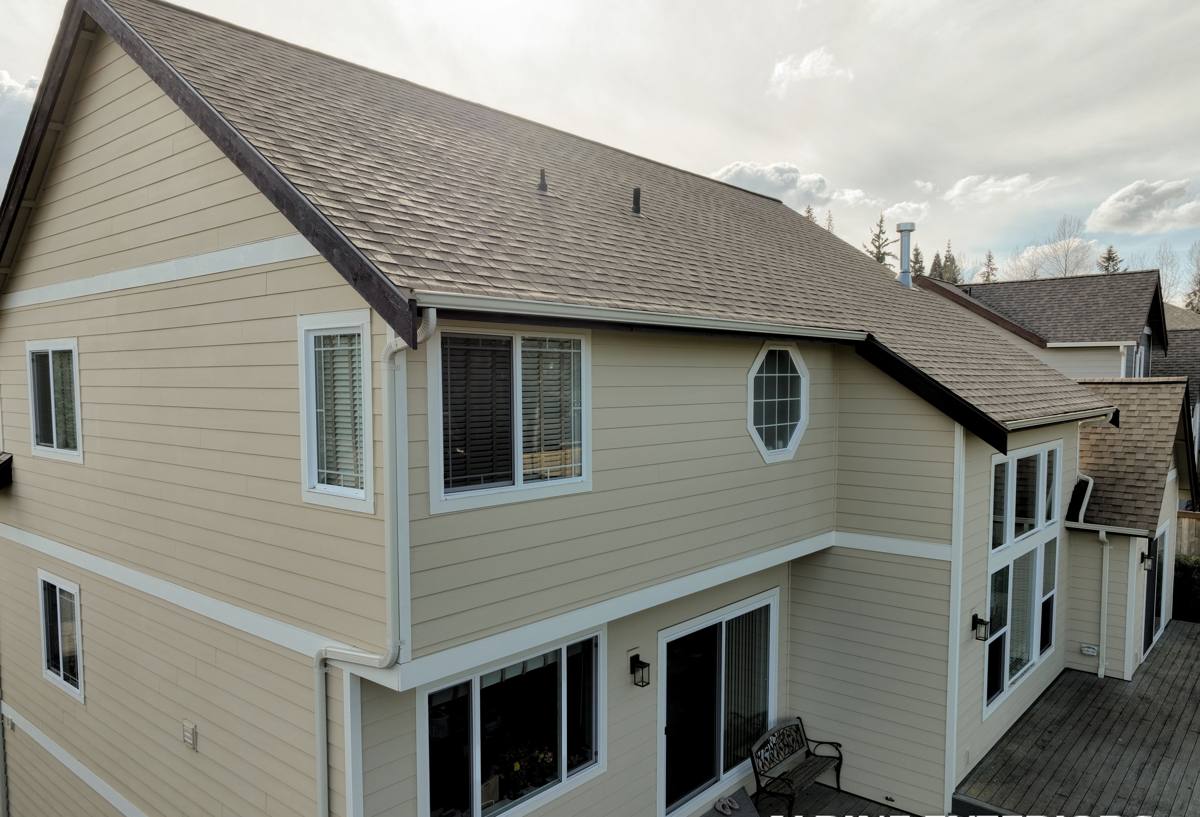
What Nooksack Homes Are Up Against
A few things make this part of Whatcom County harder on windows than drier inland climates:
- Frequent wind-driven rain that pushes water sideways into gaps a calm-weather install would never expose
- Persistent humidity that keeps wood trim and sills damp longer after every storm
- Moss and algae growth on north- and shade-facing walls, which holds moisture against siding and trim
- Temperature swings between damp winters and warm, dry summers that stress caulk and sealant joints over time
None of this is unusual for the region — it's just the baseline. The difference between a window that lasts and one that causes problems in five years usually comes down to installation quality, not the window brand printed on the sticker.
Signs Your Windows Are Past Their Prime
Homeowners in Nooksack usually notice one of these first:
- Condensation or fog trapped between the panes of a double-pane window (a broken seal, not a cleaning issue)
- Soft, discolored, or spongy wood on the sill, jamb, or exterior trim
- Visible daylight or a noticeable draft around the frame when it's windy
- Difficulty opening, closing, or locking the window — frames can swell or warp with sustained moisture exposure
- Paint that keeps peeling or bubbling near the window even after repainting
Any one of these is worth a look. Several at once usually means the window and the wall assembly around it both need attention.
What a Correct Window Installation Actually Involves
The window itself is the easy part. What separates a proper installation from a callback in a few years is everything that happens around it.
Flashing and Weather Barrier Integration
Every window opening needs to be flashed so that water is directed out and down, never trapped behind the siding. That means sill pan flashing at the bottom, side flashing that laps correctly with the weather-resistant barrier, and head flashing at the top that sheds water away from the opening. In a climate that sees this much sideways rain, skipping or shortcutting this step is the single most common cause of hidden rot behind a window that "looks fine" on the outside.
Sealing and Insulation
Gaps between the window frame and the rough opening need to be insulated — not packed solid, which can bow the frame, but filled enough to stop air movement and moisture intrusion. Exterior joints get sealed with a sealant rated for exterior exposure and movement, not general-purpose caulk that hardens and cracks within a couple of seasons.
Frame and Sill Prep
Before a new window goes in, we check the condition of the rough opening. If there's existing rot or soft wood from a prior leak, replacing the window without addressing that first just seals the problem inside the wall. This is where a lot of budget installs cut corners — the new window looks great, but the damage underneath it never got fixed.
Choosing the Right Window for a Coastal Whatcom County Home
There's no single "best" window material — it depends on exposure, budget, and how much upkeep a homeowner wants to take on. Here's how the common options compare for this climate:
| Frame Material | Moisture Performance | Maintenance | Typical Fit |
|---|---|---|---|
| Vinyl | Won't rot; performs well in wet climates | Low — occasional cleaning | Most homes; strong value for the climate |
| Fiberglass | Excellent; very stable in temperature and moisture swings | Low | Homes wanting a higher-end feel and long service life |
| Wood | Attractive but vulnerable without diligent upkeep | High — refinishing and sealing needed regularly | Homes prioritizing a traditional look who accept the upkeep |
| Wood-clad (wood interior, metal/vinyl exterior) | Good — exterior shell protects the wood | Moderate | Homes wanting a wood look inside with better weather resistance outside |
For most Nooksack homes, vinyl or fiberglass frames hold up better against the region's rain and humidity with far less ongoing maintenance than bare wood. Where a homeowner wants a wood interior look, wood-clad is usually the more practical compromise for this climate rather than solid wood exposed to the weather.
Our Installation Process
- On-site assessment — we look at the existing window, the surrounding trim, and the wall condition, not just take measurements
- Measure and order — accurate sizing matters more than people expect; a poor fit undermines even a good window
- Removal and inspection — once the old window is out, we check the rough opening for hidden moisture damage before anything new goes in
- Repair as needed — any soft or compromised framing gets addressed before the new window is set
- Flashing and setting — proper flashing sequence, then the window is set level, plumb, and square
- Insulation and sealing — gaps insulated, exterior joints sealed with weather-rated sealant
- Trim and finish — interior and exterior trim reinstalled or replaced, finished to match the home
- Final walkthrough — we operate the window with the homeowner and confirm everything seals and locks properly
Cost Factors to Understand Before You Get a Quote
Window installation pricing varies a lot based on scope, and honest quotes should reflect that rather than a flat per-window number that ignores the details.
| Factor | Why It Affects Cost |
|---|---|
| Insert vs. full-frame replacement | Full-frame costs more but is often necessary when there's frame damage or a size change |
| Frame material | Vinyl is generally the most affordable; fiberglass and wood-clad cost more upfront |
| Hidden rot or water damage | Repairing compromised framing before installation adds labor and material cost |
| Window size and configuration | Larger units, custom shapes, or multi-panel assemblies increase cost |
| Number of windows | Doing multiple windows in one project usually lowers the per-window cost |
| Trim and siding work | Matching existing trim or repairing surrounding siding adds to the scope |
Broadly, homeowners in this area should expect a wide range depending on these factors — a straightforward insert replacement costs meaningfully less than a full-frame replacement with rot repair and trim work. Anyone quoting a firm number without seeing the actual windows and openings is guessing.
A Quick Checklist Before You Hire
- Ask whether the quote is for insert replacement or full-frame replacement — they're not interchangeable
- Ask what happens if rot or moisture damage is found once the old window is removed
- Confirm what flashing and sealant products will be used, not just the window brand
- Ask for proof of licensing and insurance specific to exterior/window work in Washington
- Get the warranty terms in writing — both the manufacturer's window warranty and the installer's workmanship warranty
- Ask how they handle existing trim — repaired, reused, or replaced
Why Hiring a Crew That Already Works Nooksack Matters
A window that gets installed correctly in a dry inland climate can still fail here if the same shortcuts are taken. Wind-driven rain off the Salish Sea, the extended wet season, and the moss and moisture that build up on shaded walls all mean the flashing, sealing, and prep work carry more weight in Nooksack than in most other parts of the country. A crew that installs windows across Whatcom County and Birch Bay regularly already knows which details can't be skipped here — where water tends to intrude, which sill conditions are common in older area homes, and how to sequence flashing so it actually sheds water instead of trapping it.
That local pattern recognition is what keeps a window installation from becoming a callback two winters later.
Get a Straight Answer About Your Windows
If you're dealing with drafty, foggy, or hard-to-operate windows in Nooksack, or you just want an honest read on whether repair or replacement makes sense, we're happy to take a look. We offer free, no-pressure estimates — use the form below to get started.