 Birch Bay Exterior
 Windows Built for Marietta's Coastal Conditions
Marietta sits close enough to the water that its homes take on a different kind of weather than houses even a few miles inland. Salt-laden air moves off the bay, wind-driven rain comes in sideways during winter storms, and the long stretch of gray, damp months that Whatcom County is known for gives moss and algae plenty of time to take hold on anything that stays wet. Windows are one of the first parts of a house to show what that environment is doing — fogged glass, swollen sashes, soft trim, and drafts that weren't there five years ago.
Window installation in a coastal community like this isn't the same job as it would be in a drier, more sheltered part of the state. The materials, the flashing details, and the sealing methods all need to account for near-constant moisture exposure and salt air working on hardware and finishes year-round. We install windows across Birch Bay and the surrounding shoreline communities, and Marietta's homes get the same coastal-grade approach every time.
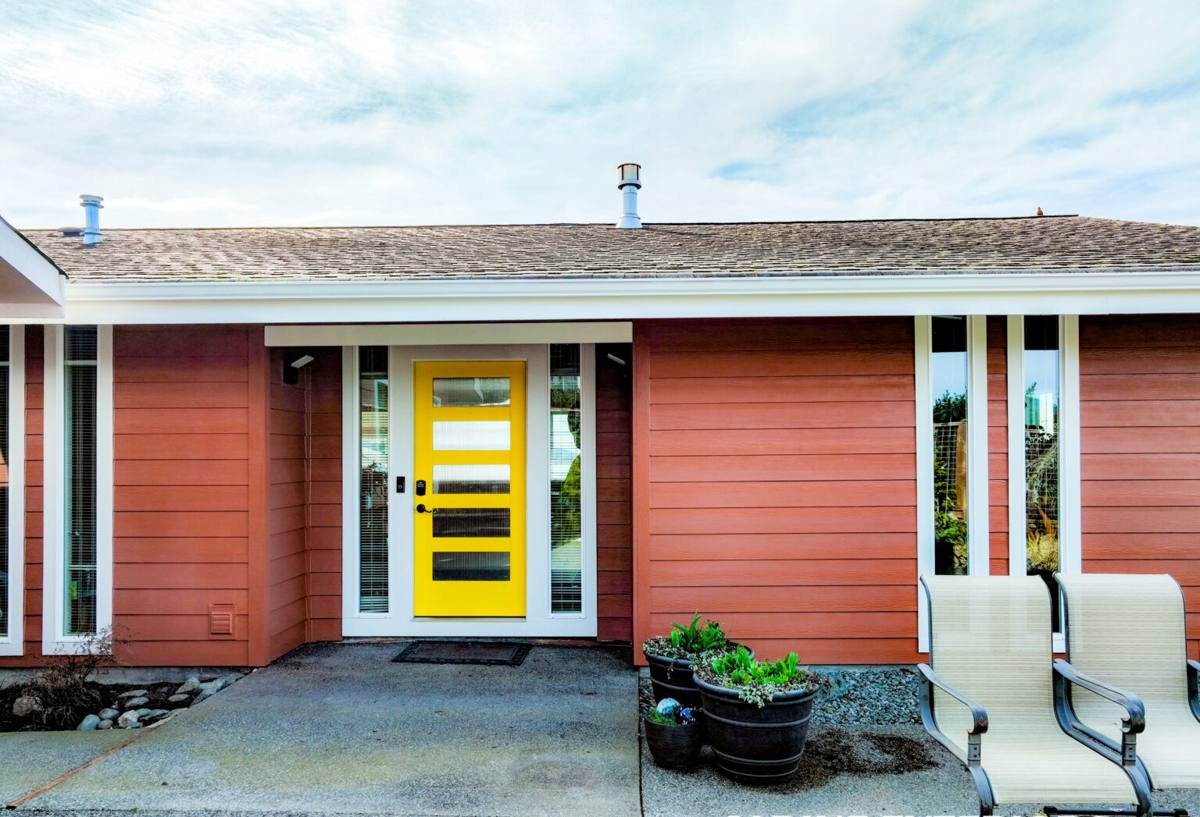
What Salt Air, Rain, and Moss Actually Do to Windows
Salt Air and Hardware
Airborne salt accelerates corrosion on anything metal — window locks, hinges, screen frames, and especially lower-grade fasteners. Once corrosion starts on hardware, windows stop locking and sealing properly, which lets in more moisture and speeds up every other problem on this list.
Driving Rain and Water Intrusion
Wind-driven rain doesn't just fall on a window, it gets pushed into it — into the joints between frame and siding, under poorly lapped flashing, and through old caulk that's lost its flexibility. Once water gets behind a window frame, it can rot sheathing and framing long before anything looks wrong from inside the house.
Moss and Prolonged Dampness
Whatcom County's long wet season means anything that holds moisture — wood sills, worn weatherstripping, low spots in a sill pan — stays damp for weeks at a time. That's exactly the condition moss and mildew need to establish themselves, and it's why older wood-frame windows in this area often show soft or discolored wood well before the glass itself fails.
Signs a Marietta Home Needs New Windows
- Fogging or a visible haze between the panes of a double- or triple-pane window (the seal has failed)
- Soft, spongy, or discolored wood at the sill or lower frame corners
- Windows that are hard to open, close, or lock, especially after rain
- Visible corrosion or staining on hardware, hinges, or screen frames
- A noticeable draft or cold spot near the window even when it's fully closed
- Condensation forming on the inside of the glass regularly during winter
- Peeling paint or bubbling finish on the interior trim around the window
- Moss, algae, or dark streaking building up on the exterior sill or trim
Any one of these on its own might just mean the window needs attention. Two or three together, especially on the sides of the house that catch the most weather, usually mean it's more cost-effective to replace than keep repairing.
What a Correct Installation Actually Involves
Window installation quality is decided by details most homeowners never see once the trim goes back on. In a coastal climate, skipping any of these steps is what leads to rot and leaks two or three years down the line — long after the crew that did the work is gone.
- Removing the old window completely and inspecting the framing and sheathing underneath for hidden rot before anything new goes in
- Correcting any soft or damaged framing rather than installing over it
- Installing a proper sill pan to direct any water that does get past the window safely back outside
- Using self-adhered flashing tape, lapped correctly with the house wrap so water is always shed downward and outward, never trapped
- Sealing and insulating the gap around the window frame without overfilling it, which can bow the frame and cause it to bind
- Using fasteners and hardware rated for coastal, high-moisture exposure
- Finishing exterior trim and caulk lines so water can't collect or pool anywhere on the sill
That flashing and sill-pan work is the part that matters most this close to the water. A window can be an excellent product and still fail early if it's installed without a proper drainage path behind it.
Choosing the Right Window Frame Material
There's no single "best" window material for every home — it depends on budget, how much upkeep you want to take on, and how exposed a particular wall of the house is to wind and salt spray. Here's how the common options generally hold up in a Birch Bay-area coastal environment:
| Frame Material | Coastal Durability | Maintenance | Typical Trade-offs |
|---|---|---|---|
| Vinyl | Good — won't rot or corrode | Low | Budget-friendly; frame color and size options are more limited than other materials |
| Fiberglass | Very good — highly stable in temperature and moisture swings | Low | Higher upfront cost; holds paint well if a custom color is wanted later |
| Aluminum | Fair — needs a quality marine-grade or coated finish near salt air | Moderate | Strong and slim sightlines, but conducts cold and can pit without the right coating |
| Wood | Weakest without diligent upkeep in this climate | High | Classic look, but we recommend it only with a commitment to regular repainting/sealing, or a wood-clad option with a protective exterior shell |
For most Marietta homes, especially anything on the water-facing sides of the house, we steer people toward vinyl or fiberglass because they hold up to salt and damp without the ongoing repainting and resealing that wood demands. If you love the look of wood, a wood-interior/composite-exterior window gets you that appearance with far less maintenance risk than solid wood in this environment.
Our Installation Process
- On-site assessment — we look at every window being replaced, check for hidden moisture or rot, and measure for an exact fit rather than a generic size
- Product selection — we walk through frame material, glass package, and hardware options based on your budget and which side of the house each window is on
- Written estimate — a clear scope and price before anything is ordered, no surprise add-ons once work starts
- Removal and inspection — old windows come out, and any rotted framing or sheathing is addressed before the new window goes in
- Installation — proper sill pan, flashing, insulation, and sealing, done in the sequence that keeps water moving out, not in
- Interior and exterior finish work — trim, caulk, and touch-up so the job looks finished inside and out
- Final walkthrough — every window opened, closed, and locked with you before we consider the job done
What Affects the Cost of Window Installation
| Factor | How It Affects Price |
|---|---|
| Frame material | Vinyl is typically the most affordable; fiberglass and wood-clad options cost more upfront |
| Window size and style | Larger openings, bay windows, and custom shapes cost more than standard single or double-hung sizes |
| Glass package | Low-E coatings and gas-filled double- or triple-pane glass add cost but improve energy performance and comfort |
| Condition of existing framing | Hidden rot or water damage found during removal adds repair work before the new window can go in |
| Number of windows | Replacing multiple windows in one project typically lowers the per-window cost versus one-off replacements |
| Exposure | Windows on the sides of the house that take the most wind and rain sometimes justify a more weather-resistant spec |
We give a firm, itemized price after seeing the actual windows and framing in person — not a phone-quote guess. That's the only way to price for hidden issues honestly instead of finding them mid-job and asking for more money.
Why a Crew That Already Works Marietta Matters
A contractor who works this stretch of Whatcom County regularly already knows what a window needs to survive the salt air and driving rain coming off the bay, rather than treating it like a standard inland installation. That means the flashing details, hardware choices, and sealing methods are already dialed in for this exposure before we ever get to your house — not something we're figuring out on the job. It also means we're a known, reachable local crew if a question comes up after the install, not a name from an out-of-area lead-generation site.
We serve Birch Bay and neighboring communities including Marietta directly, so scheduling, follow-up, and warranty service don't involve a long drive or a call center. That's a real advantage in a climate where a missed flashing detail doesn't show up as a problem for a year or two — you want the crew that did the work to still be around and easy to reach.
Get a Free, No-Pressure Estimate
If your windows in Marietta are fogging, sticking, drafting, or just showing their age after one too many wet winters, we're happy to take a look and give you an honest read on repair versus replacement. Use the form below to request a free estimate — no pressure, no obligation, just a clear assessment from a crew that knows what this coastline does to a house.