 Birch Bay Exterior
 Metal Roofing in Custer: Built for Whatcom County Weather
Custer sits close enough to the water that homes here deal with the same salt-laden air as the rest of the Birch Bay area, plus long stretches of overcast, moisture-heavy weather that never really lets a roof dry out completely between storms. That combination is hard on roofing materials that aren't matched to it. Metal roofing, installed correctly with the right coatings and fasteners, holds up well against this climate — but "installed correctly" is doing a lot of work in that sentence, and it's where a lot of metal roofing jobs in this region go wrong.
We work on homes throughout Birch Bay and the surrounding Whatcom County communities, including Custer, and we've seen the specific ways metal roofs fail here versus how they fail in drier climates. This page covers what a metal roof needs to actually perform in Custer's conditions, what a correct installation involves, and what to expect if you're considering metal roofing for your home.
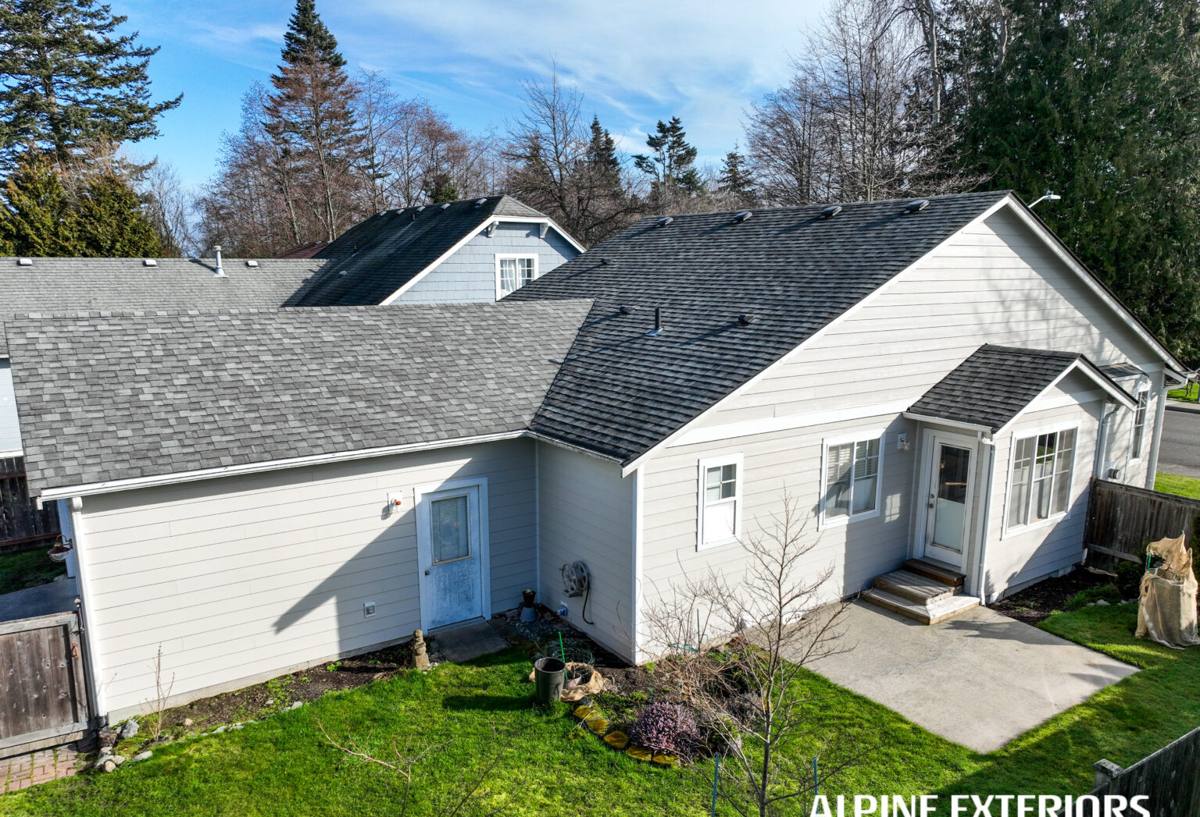
Why Custer's Climate Is Tougher on Roofs Than It Looks
Custer doesn't get hurricanes or hailstorms, so it's easy to assume the roofing demands here are mild. In some ways they are — but the year-round moisture and coastal air create a slower, quieter kind of wear that adds up over a couple decades.
Salt Air and Corrosion
Proximity to Birch Bay and the Strait of Georgia means airborne salt is a constant, low-level presence, even a few miles inland. Salt accelerates corrosion at any point where metal is exposed, scratched, or where two dissimilar metals touch. This is why fastener choice and cut-edge treatment matter more here than they would on a metal roof installed thirty miles inland.
Driving Rain and Wind-Driven Moisture
Storms coming off the water often bring rain at an angle, not straight down. That pushes water sideways under laps, around penetrations, and into any seam that wasn't detailed with wind-driven rain in mind. A metal roof that would shed water fine in a calm rainstorm can leak in a Custer windstorm if the underlayment and flashing details weren't built for it.
Moss and Prolonged Dampness
Whatcom County's moss season is long — mild temperatures and consistent moisture are exactly what moss wants. On metal roofing, moss is less about material damage (metal doesn't feed moss the way wood shakes do) and more about what moss traps: standing organic debris that holds moisture against seams, fasteners, and paint finishes far longer than the metal was designed to tolerate.
What a Correctly Installed Metal Roof Needs Here
Not every metal roofing job accounts for these conditions. A correct installation for a Custer home generally includes:
- A high-quality synthetic underlayment rated for the wind-driven rain this area gets, not a bargain felt product
- Fasteners and flashing metal matched to the panel material to avoid galvanic corrosion between dissimilar metals
- Properly lapped and sealed seams at every penetration — vents, chimneys, skylights — since these are the most common leak points
- Panel profiles and seam types chosen for the roof's actual pitch and exposure, not a one-size-fits-all default
- Ventilation detailing that lets the roof deck breathe, reducing condensation buildup underneath the panels
- A finish coating rated for coastal/marine exposure, since standard finishes can chalk or fade faster near salt air
Skip any one of these and the roof may still look fine for a few years before the shortcuts show up as rust streaks, leaks at penetrations, or premature finish failure.
Metal Roofing Options: What Fits a Custer Home
Metal roofing isn't one product — the profile and finish you choose affects both performance and appearance. Here's how the common options compare for this climate:
| Type | Best For | Coastal Durability | Maintenance |
|---|---|---|---|
| Standing seam (concealed fastener) | Most homes, especially higher-exposure sites | Excellent — no exposed fasteners to corrode | Low |
| Exposed-fastener panel | Budget-conscious projects, outbuildings | Good, if fasteners and gaskets are maintained | Moderate — fastener gaskets age and need checking |
| Stone-coated steel | Homes wanting a shingle or tile look | Good, with proper edge and fastener detailing | Low to moderate |
| Aluminum panel systems | Sites closest to the water or with highest salt exposure | Excellent — naturally corrosion-resistant | Low |
For most Custer homes, we lean toward standing seam steel or aluminum because the concealed fasteners remove the single biggest long-term corrosion risk. Exposed-fastener panels can still be a sound, more affordable choice — they just need an honest conversation about the added maintenance.
Repair, Recoat, or Replace: How We Decide
Not every metal roof issue means a full tear-off. Part of doing this job honestly is telling a homeowner when a repair or recoat will genuinely solve the problem versus when it's a temporary patch on a system that's failing underneath.
When Repair Makes Sense
Isolated leaks at a single penetration, a loose or failed seam in one area, or minor fastener corrosion on an otherwise sound roof are usually straightforward repairs. We fix the actual failure point rather than just sealing over the symptom.
When a Recoat Extends the Roof's Life
If the panels themselves are structurally sound but the finish has chalked, faded, or started to lose its protective coating from years of salt air, a recoat can add meaningful service life at a fraction of replacement cost — as long as the substrate underneath hasn't already started corroding.
When Replacement Is the Honest Answer
Widespread corrosion, multiple failed seams, or an underlayment that's been compromised for years usually means the roof system has reached the point where repairs are just delaying an inevitable full replacement — and often at a higher total cost than replacing it once, correctly.
Our Process for Metal Roofing Projects in Custer
- On-site assessment: We walk the roof, check the deck condition, existing flashing, ventilation, and exposure direction relative to prevailing weather.
- Material and system recommendation: Based on the roof's pitch, exposure, and your budget, we recommend a panel type and finish suited to the site — not a default package.
- Written scope and pricing: You get a clear breakdown of materials, underlayment, flashing detail, and labor before any work starts.
- Tear-off and deck inspection: If replacing an existing roof, we check the deck for rot or damage before installing new underlayment, since covering a compromised deck defeats the purpose of a new roof.
- Installation: Panels, seams, flashing, and penetration details are installed to the standard the site's exposure actually requires.
- Final walkthrough: We review the completed roof with you, including care and inspection recommendations specific to this climate.
What Metal Roofing Costs Depend On
We don't publish a flat price because metal roofing costs swing significantly based on a handful of factors specific to each home:
| Factor | Why It Matters |
|---|---|
| Panel material (steel, aluminum, stone-coated) | Material cost and corrosion resistance vary substantially |
| Roof complexity | More valleys, penetrations, and cuts mean more labor and flashing detail |
| Existing deck condition | Rot or damage found during tear-off adds repair scope |
| Underlayment and flashing quality | Coastal-grade materials cost more but reduce long-term leak risk |
| Roof pitch and accessibility | Steep or hard-to-access roofs require more labor and safety equipment |
Homeowners considering metal roofing are usually comparing it against a 20-30 year asphalt shingle roof. Metal costs more upfront but typically lasts two to three times as long with less maintenance — the math tends to favor metal for anyone planning to stay in the home long-term.
Why Hire a Crew That Already Works in Birch Bay and Custer
Metal roofing installers who mainly work inland or in drier regions don't always account for the coastal details that matter here — fastener compatibility, coastal-rated finishes, and wind-driven rain flashing details aren't things every crew thinks about by default. We work this area regularly, so those details are standard practice for us, not an upsell or an afterthought.
We're also straightforward about what your roof actually needs. If a repair or recoat will solve the problem, we'll say so instead of pushing a full replacement. If your site's exposure calls for a step up in materials, we'll explain why in plain terms rather than defaulting to whatever's easiest to install.
Signs It's Time to Have Your Metal Roof Looked At
- Rust streaks running down panels or pooling at fastener heads
- Moss or organic buildup collecting along seams or in valleys
- Chalky or faded finish that wipes off on your hand
- Loose, lifted, or oil-canning panels after a windstorm
- Water stains on interior ceilings near penetrations or valleys
- Visible gaps or separation at flashing around chimneys or vents
Any of these on their own may be minor. Several together usually mean it's worth a professional look before the next storm season.
If you're weighing metal roofing for a home in Custer or elsewhere in the Birch Bay area, we're happy to walk the roof, give you an honest read on its condition, and lay out real options — no pressure, no obligation. Use the form below to request a free estimate.