 Birch Bay Exterior
 Why Decks Fail Faster in California Creek
California Creek sits close enough to the water that homes here take a different kind of beating than decks just a few miles inland. Salt-laden air off the bay works its way into fastener heads, joist hangers, and any exposed metal, corroding it years before it would fail in a drier part of Whatcom County. Add in the region's long stretch of driving rain each fall and winter, and you get wood that stays damp for days at a time instead of drying out between storms. That constant moisture is what feeds the moss and algae that creep across north-facing boards and shaded corners for much of the year.
None of this means a deck in California Creek is doomed — it means the deck has to be built and replaced with those conditions in mind, not with a generic approach that might work fine somewhere drier. A deck that was built to a baseline code minimum, with standard fasteners and no real drainage plan, tends to show real structural problems here well before the 20-25 year mark that better-built decks can reach.
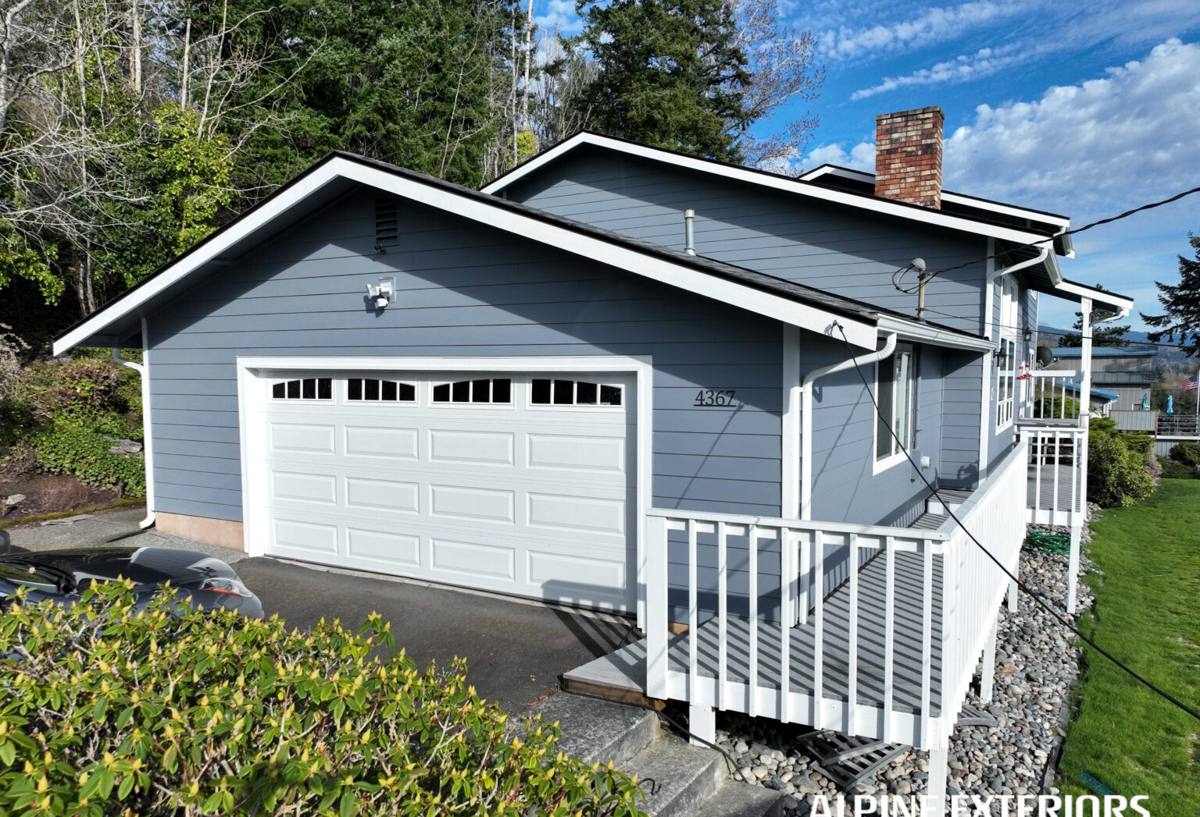
Signs a Deck Needs Replacement, Not Just Repair
We get called out to a lot of decks where the owner is hoping a few new boards will solve the problem. Sometimes that's true. Often, by the time it's visibly bad on the surface, the damage underneath is further along. Here's how we tell the difference on-site:
- Soft or spongy spots underfoot, especially near the house or stair stringers — usually rot in the joists or ledger, not just the decking
- Rust streaks running down from joist hangers or bolts — a sign the connection hardware is corroding, not just staining the wood
- Persistent green or black growth that comes back within weeks of cleaning — often means the board or the framing beneath it stays wet longer than it should
- Gaps or movement where the deck attaches to the house (the ledger board) — a serious issue, since this connection carries much of the deck's load
- Railings that flex or posts that wiggle at the base — frequently a sign of rotted post bases hidden under trim or decking
- Multiple past repairs in different spots — a pattern that usually means the underlying frame is at the end of its life
If it's one or two of these in isolated areas, targeted repair can make sense. If it's several at once, or the framing itself is compromised, replacement is almost always the more honest recommendation — patching a failing structure just delays a bigger cost.
Choosing Materials for This Climate
There's no single "best" decking material — there's a best material for what a specific household wants to deal with over the next 20 years. In a moisture-heavy, salt-exposed spot like California Creek, the trade-offs matter more than they would elsewhere.
| Material | How it holds up here | Maintenance |
|---|---|---|
| Pressure-treated wood | Affordable, but needs vigilant sealing to resist the extended wet season; moss and mildew show up quickly without upkeep | Annual cleaning and re-sealing recommended |
| Cedar | Naturally rot-resistant and handles moisture better than most softwoods, but still needs protection from prolonged damp and salt exposure | Periodic staining/sealing |
| Composite decking | Resists rot and doesn't need sealing, but board quality varies widely — cheaper composites can still trap moisture and grow algae in shaded, damp spots | Occasional washing; no sealing |
| Capped composite / PVC | Best moisture and algae resistance of the common options; capped surface sheds water and resists staining in shaded, salt-air conditions | Low; occasional washing |
We don't push one product on every job. What we do insist on, regardless of decking material chosen, is stainless or coated hardware rated for exterior/coastal use, proper flashing at the ledger, and framing spaced and vented so water has somewhere to go. That's where a lot of deck failures actually start — not the surface boards, but the unseen structure underneath.
A Note on Fasteners and Hardware
This is the detail most homeowners never think about until it fails. Standard galvanized screws and hangers can corrode within a handful of years this close to the water. We spec stainless steel or high-grade coated fasteners rated for coastal exposure as our standard for California Creek jobs — it costs a little more up front and pays for itself by not being the reason the deck needs work again in five years.
What a Correct Deck Replacement Actually Involves
A deck replacement done right is a structural project, not a cosmetic one. The visible decking boards are the smallest part of what determines how long the deck lasts.
- Ledger board and flashing: Properly flashed and sealed where the deck meets the house — this is the single most common source of hidden rot when it's done wrong
- Footings and posts: Set below frost depth and sized to the actual load, not just "what was there before"
- Joists and beams: Sized and spaced for the span, with hardware rated for wet, salt-air conditions
- Drainage and airflow: Enough clearance and slope underneath so water and moss-feeding moisture don't sit and pool
- Guardrails and stairs: Built to current height and spacing requirements, not just whatever the old deck had
Skipping any of these to save time or money is exactly how a deck ends up needing another replacement in a decade instead of two.
Our Replacement Process
1. On-Site Assessment
We inspect the existing deck from the ground up — framing, ledger connection, post bases, and any hidden moisture damage — and give a straight answer on whether repair or full replacement is the right call, with the reasoning behind it.
2. Design and Material Selection
We walk through material options honestly, including the maintenance trade-offs above, so the decision fits the household's budget and how much upkeep they actually want to do.
3. Permitting
Most deck replacements in unincorporated Whatcom County require a permit, particularly when the deck is elevated or attached to the house. We handle the permit process and build to the code requirements that apply to the property.
4. Removal and Rebuild
Old decking, framing, and any compromised structural elements come out. We rebuild from the footings up, with attention to the flashing and hardware details covered above.
5. Final Walkthrough
Before we consider the job done, we walk the finished deck with the homeowner, point out anything they should know for upkeep, and answer questions.
Permits and Local Code Considerations
Deck work in Whatcom County generally falls under residential building code requirements once you're dealing with an elevated structure attached to the home — things like guardrail height, baluster spacing, stair rise and run, and ledger attachment are all inspected items, not optional extras. Property setbacks can also come into play depending on the lot, especially for decks close to a property line or shoreline area. We pull permits and coordinate inspections as part of the job so homeowners aren't left navigating that process on their own, and so the finished deck won't cause problems at resale.
Caring for a New Deck in a Wet, Salty Climate
A well-built deck still needs some ongoing attention in this environment. A little routine care goes a long way toward hitting the full lifespan of the materials chosen.
- Sweep debris off the deck regularly, especially in fall — trapped leaves and needles hold moisture against the boards
- Rinse off salt residue and grime a few times a year, particularly after storms with wind off the water
- Check and clear gaps between boards so water keeps draining instead of pooling
- Re-seal wood decking on the schedule appropriate to the product — don't wait until it's visibly gray and dry
- Inspect fasteners and railings once a year for looseness or early corrosion
- Keep an eye on shaded, low-airflow corners where moss tends to establish first
Why Local Experience in California Creek Matters
A contractor who only occasionally works this close to the water can miss the details that matter most here — the flashing detail that keeps a ledger board from rotting, the hardware grade that actually holds up to salt air, the drainage gap that keeps moss from taking over a shaded corner. Crews who regularly build and replace decks in Birch Bay and the surrounding coastal parts of Whatcom County have seen what fails here and why, and build accordingly from the start rather than learning it the hard way on someone's project.
If your deck in California Creek is showing its age — soft spots, rust stains, stubborn moss, or a railing that doesn't feel as solid as it used to — we're happy to take a look and give you a straightforward assessment. Reach out for a free, no-pressure estimate using the form below.